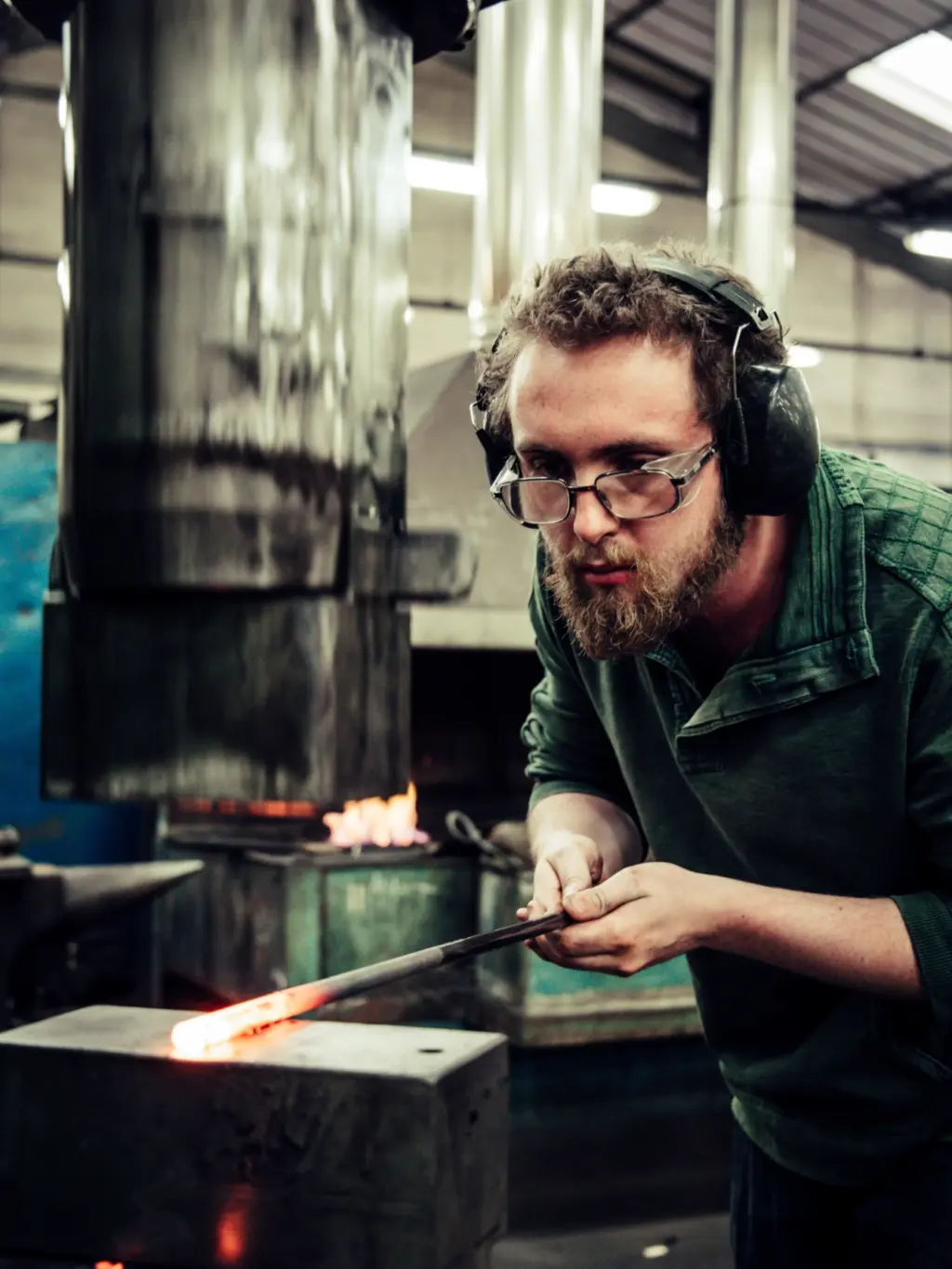
Restoring the gates to Hampton Court Palace
Stuart Ryan
3yrs full-time
£9,275 p.a.
W720
H18

Forge your future on a degree at the forefront of forged metal arts education


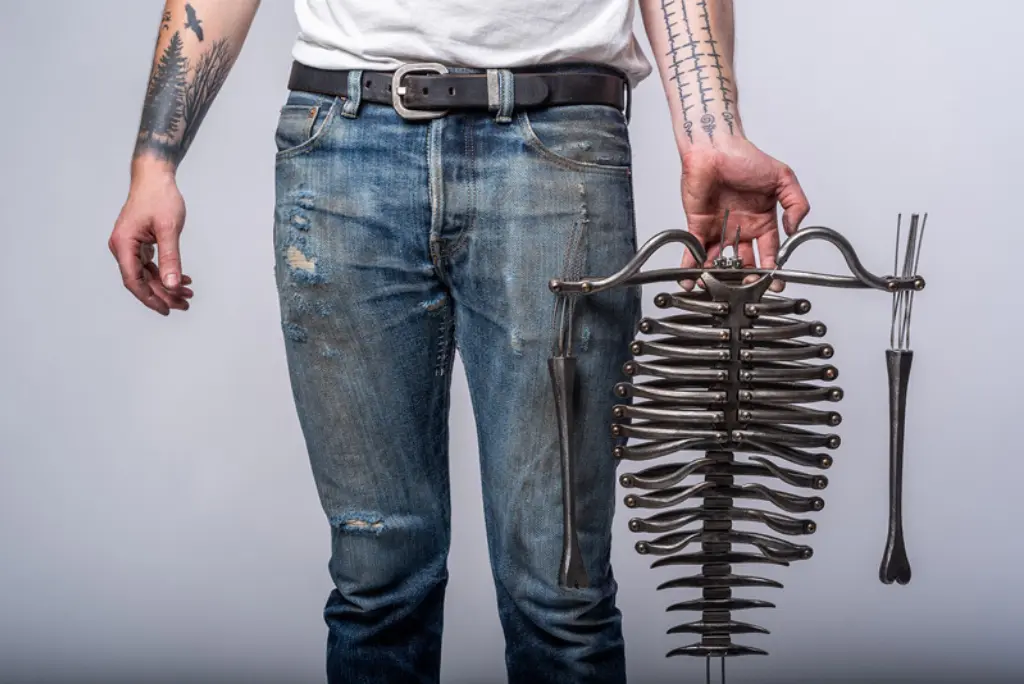
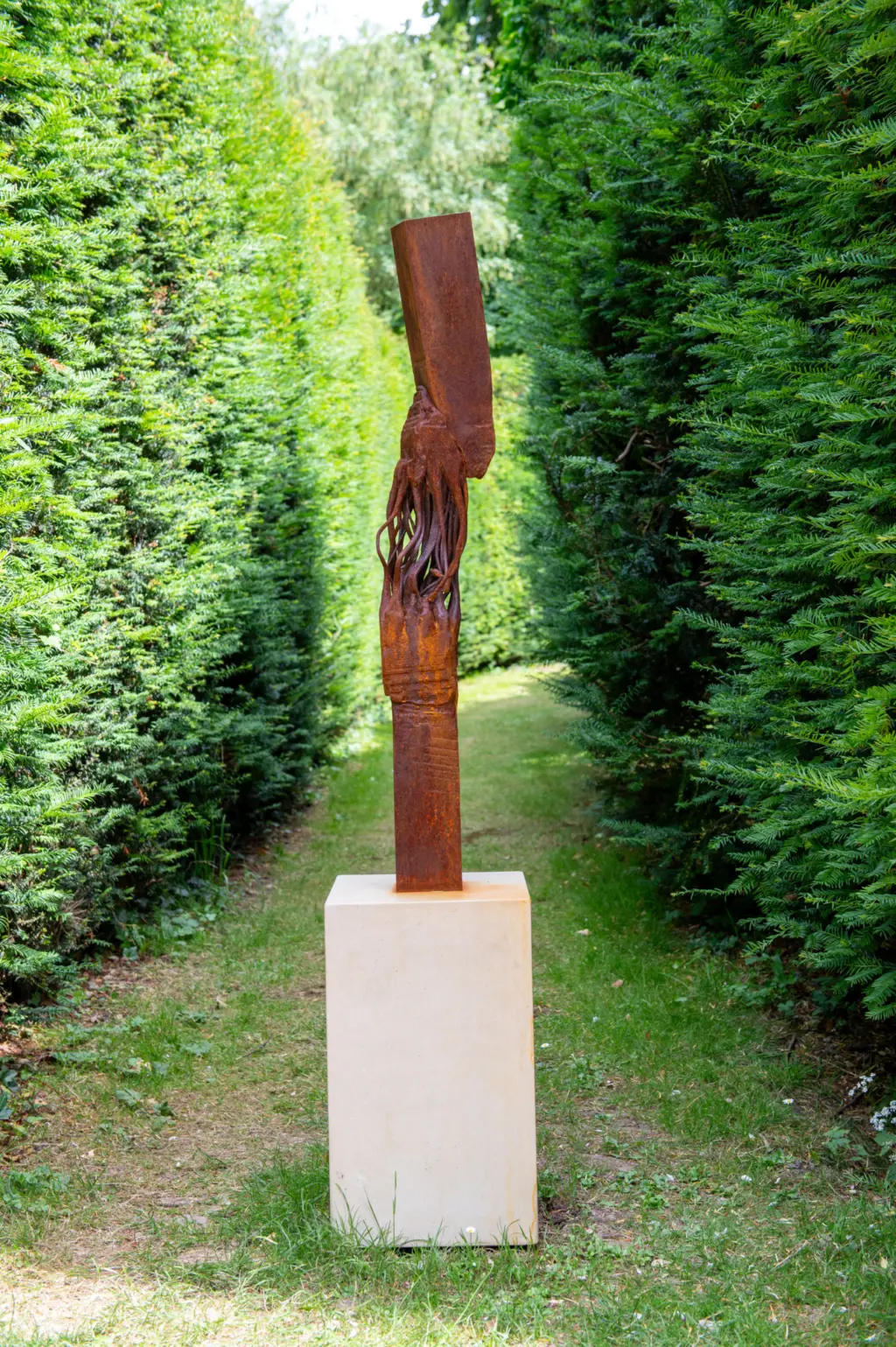
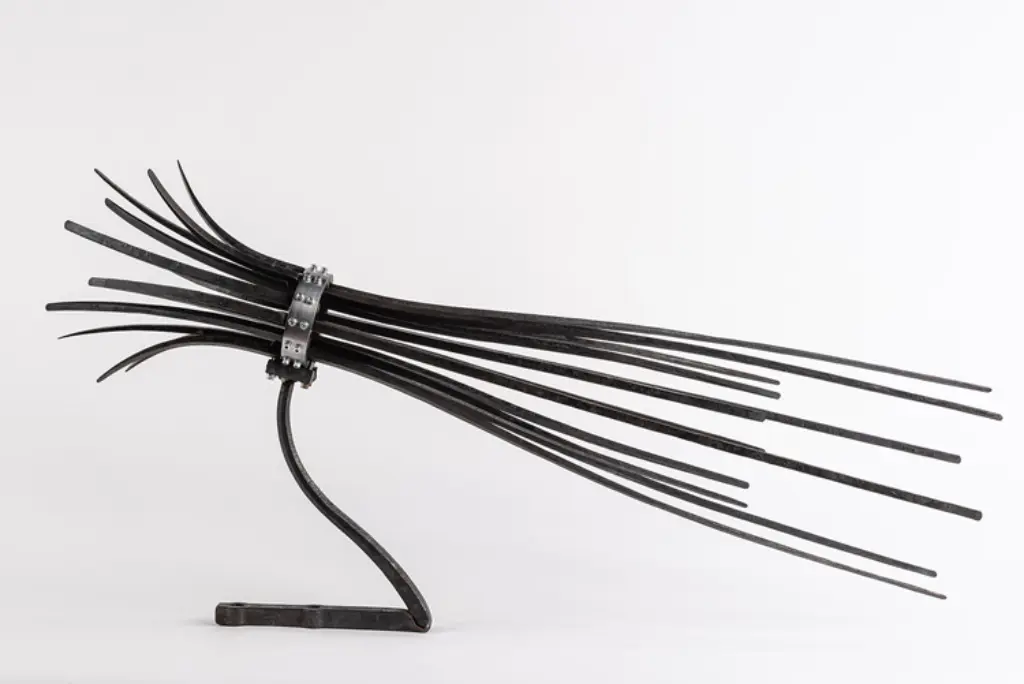
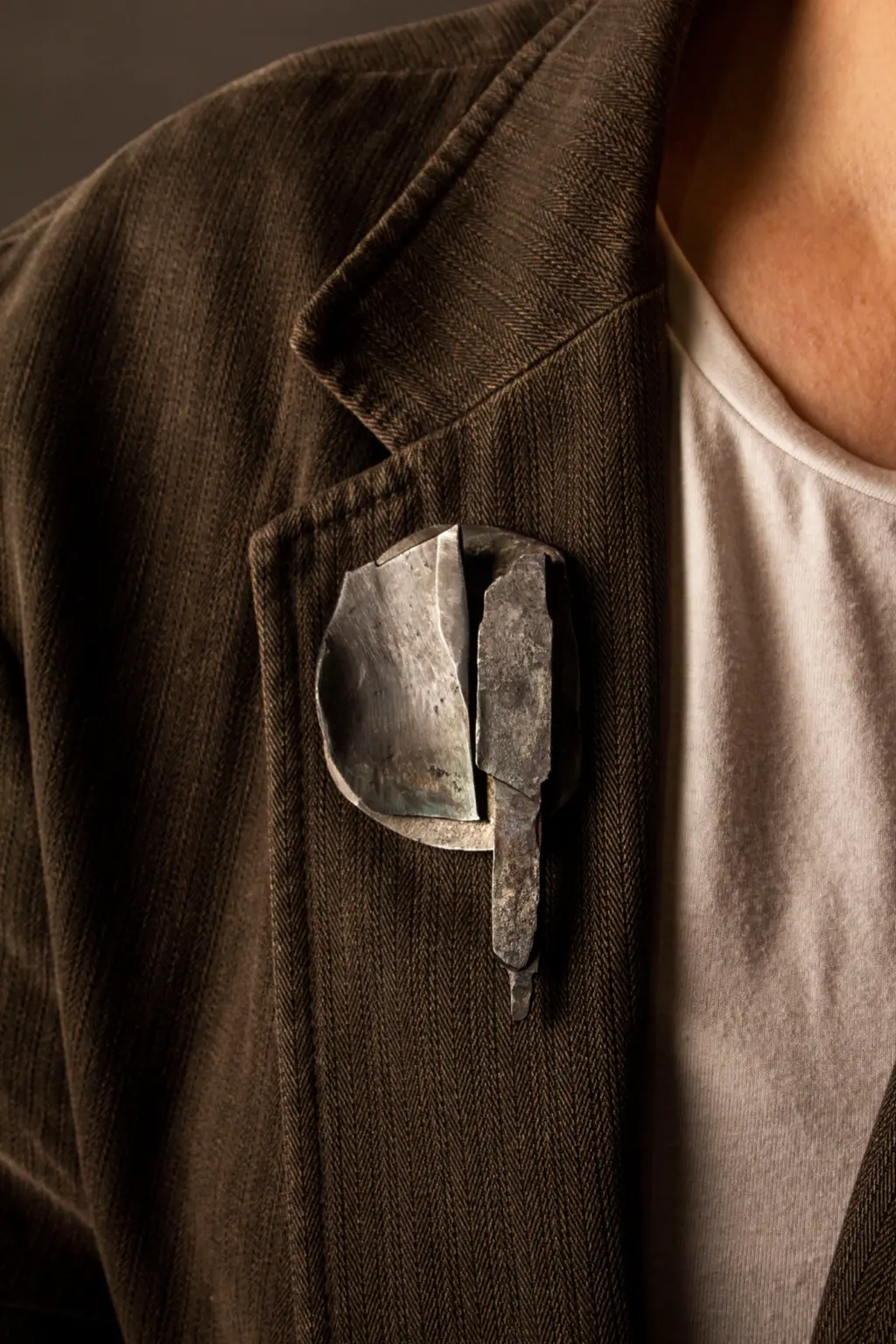
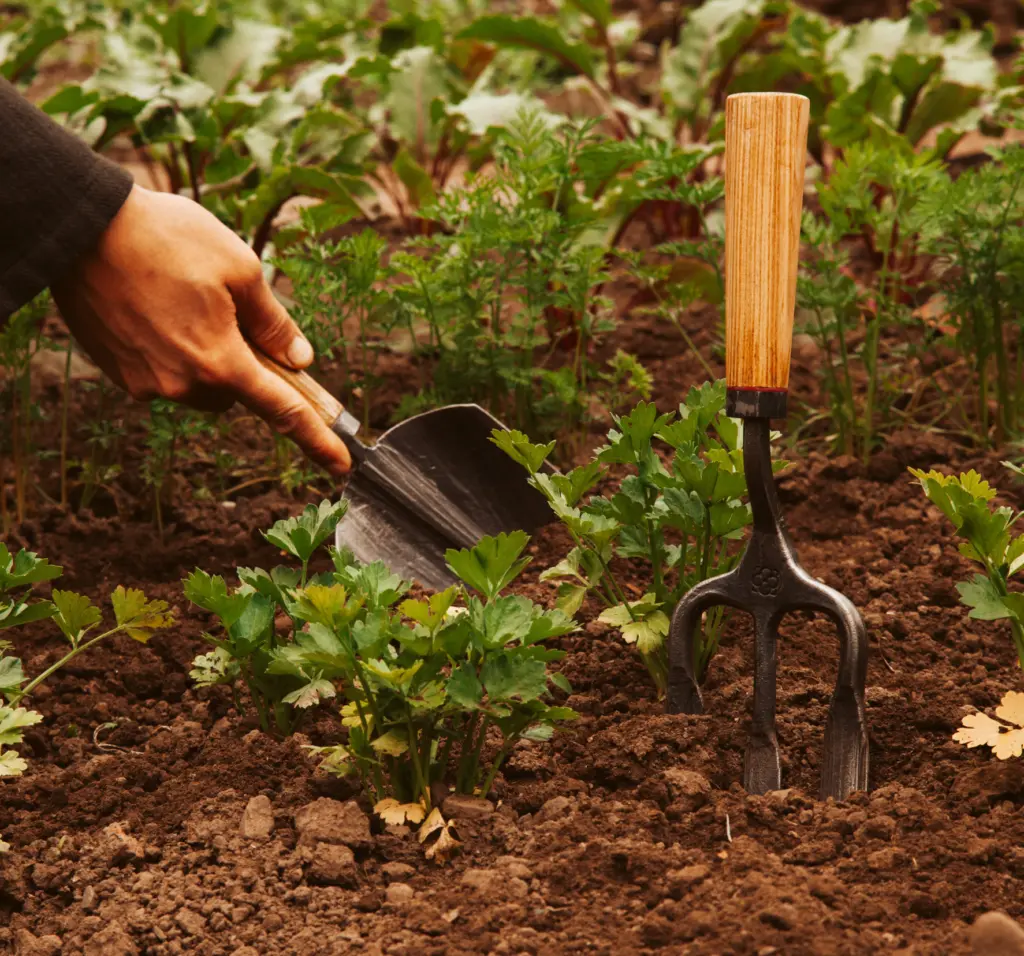
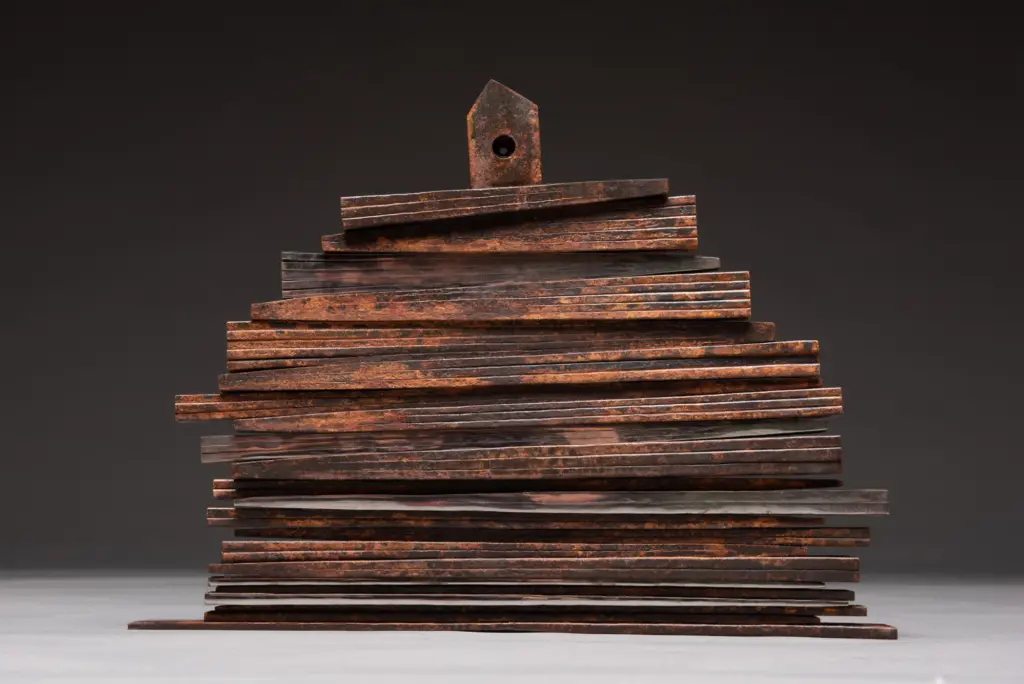
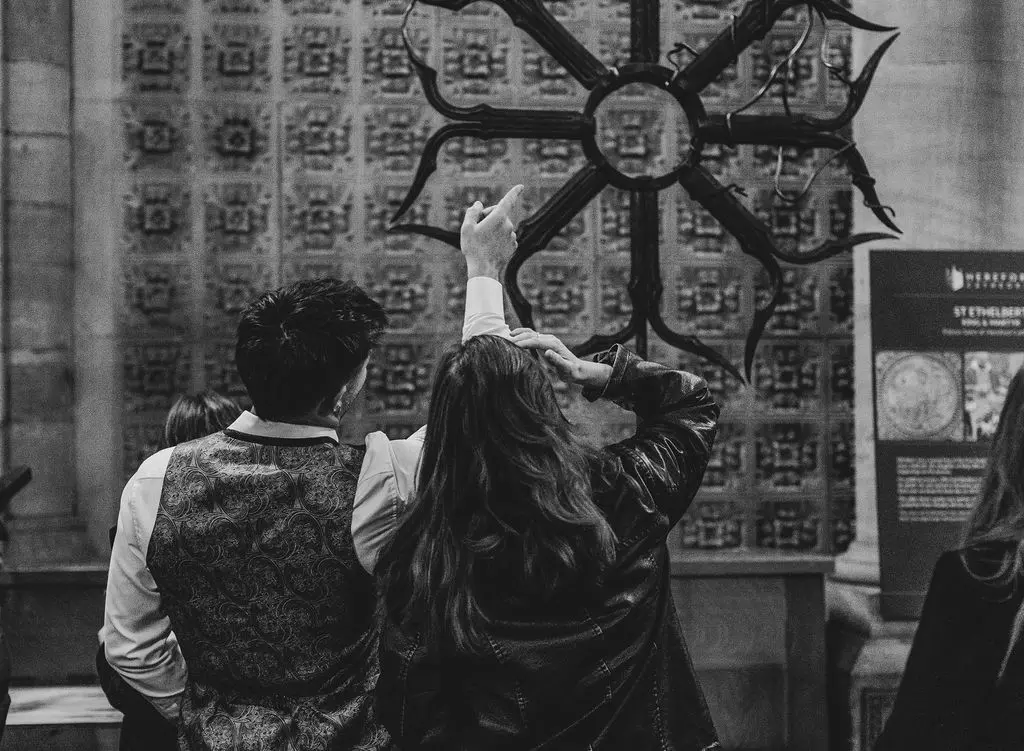


Studying the Artist Blacksmithing degree is the best thing I’ve ever done. I feel so grateful I had a willingness to change, and words can’t express how much appreciation I have for the tutors that fostered that change. For as long as my body will allow I will make sculptor by forging and forming steel.
LUCAS NORRIS

It is a safe space to grow both as a professional artist but also as an individual and a wonderful place to meet likeminded people.
CONOR BRUCE

The Artist Blacksmithing Degree fostered resilience by encouraging me to trust my instincts, embrace creative risks, and learn from challenges. It planted the seed for a more authentic approach to my forged metalwork practice, grounded in my unique strengths and creative process.
Ren Garside
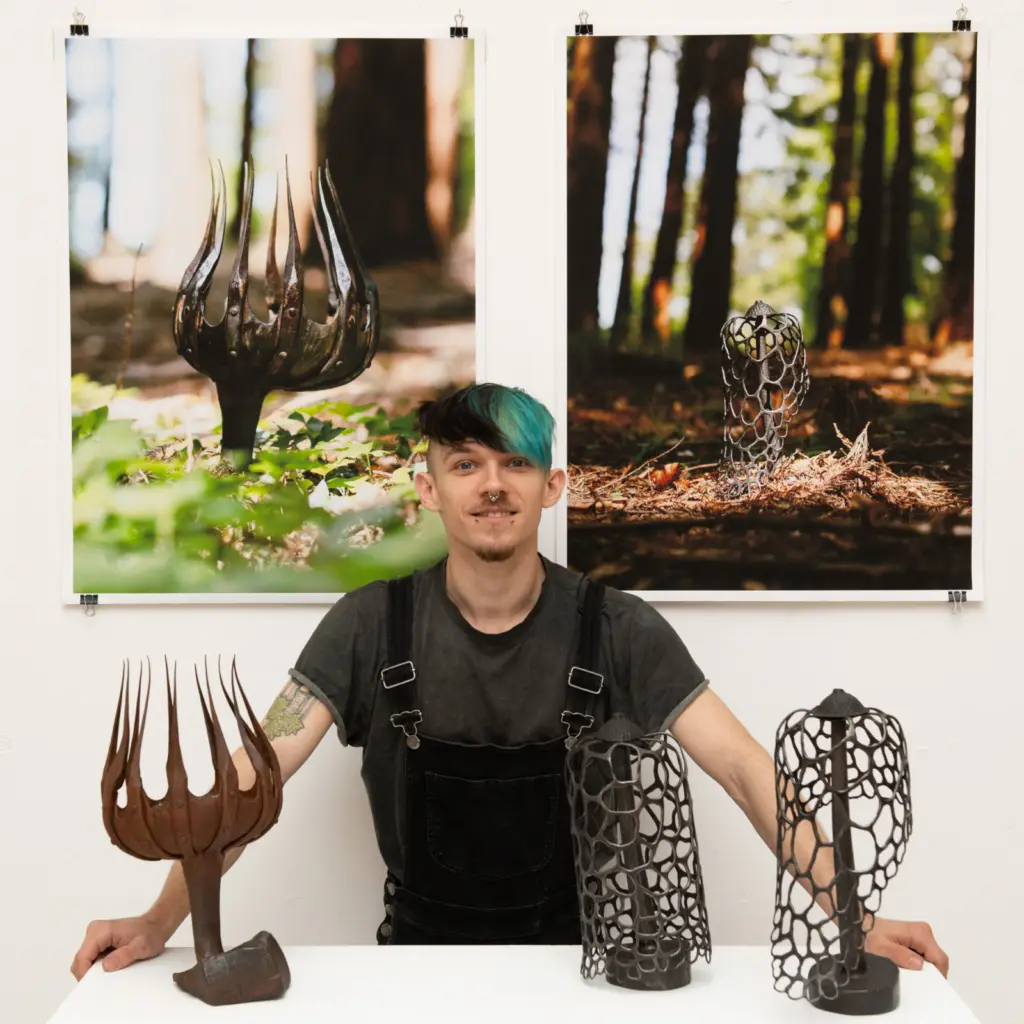
The course and staff support each student's unique creativity. I've gained confidence in researching, creating, and presenting my work—something I hadn't experienced before this degree.
Bradley Wills
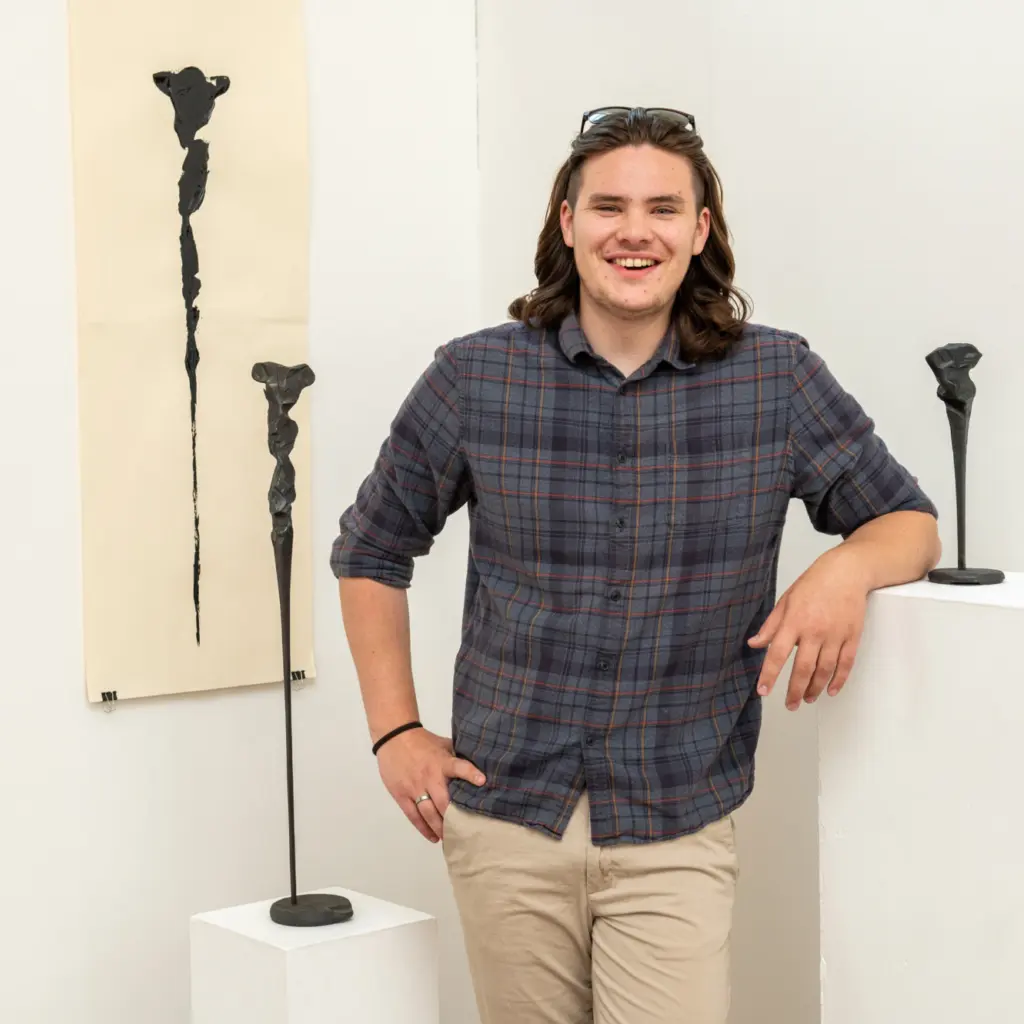
This course has truly transformed the way I think and view the world. It encouraged me to be more experimental and playful with materials, while also helping me become more thoughtful and confident in my ideas. Over the past three years, I’ve been given the chance to grow and change, and now I feel ready and excited for what will come next.
Oliver Cowell

The creative community around the course is outstanding. Being surrounded by like-minded creatives was key to developing my skills as a maker. It's opened up a world of opportunity for me going forward.
Nathan Forster
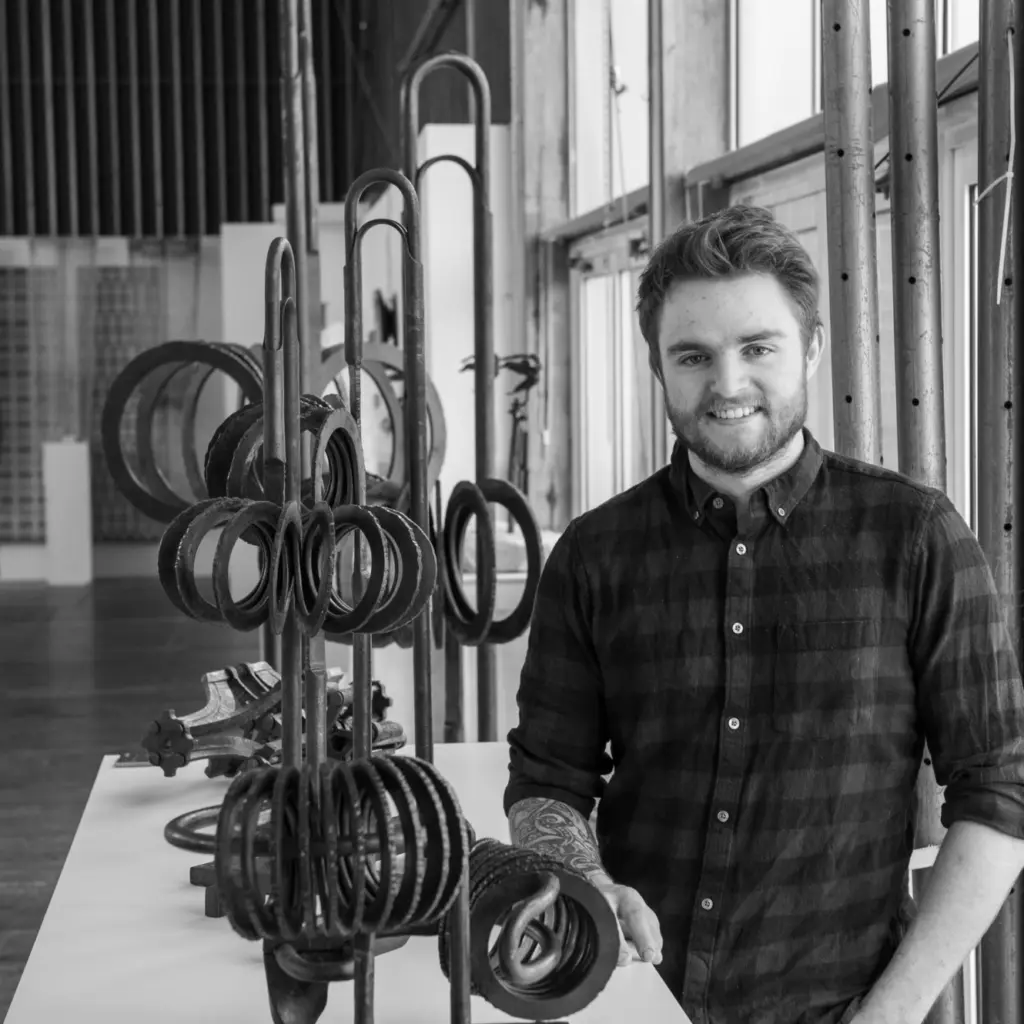
The Artist Blacksmithing Degree has been invaluable in shaping my forging practice, allowing me to advance my skills within a creative environment where traditional craft meets contemporary art theory. Most importantly, having the space to design, experiment, refine, and fully explore the plasticity of the material—surrounded by like-minded individuals—was truly unbeatable!
Bran Davies

The Artist Blacksmithing degree course gave me much more than just skills training. It taught me to question everything, and to really look at the details. So now I am always asking myself: How can I make this simpler, or better? Most of all, it gave me three years to explore, without the pressure of business.
Sam Pearce
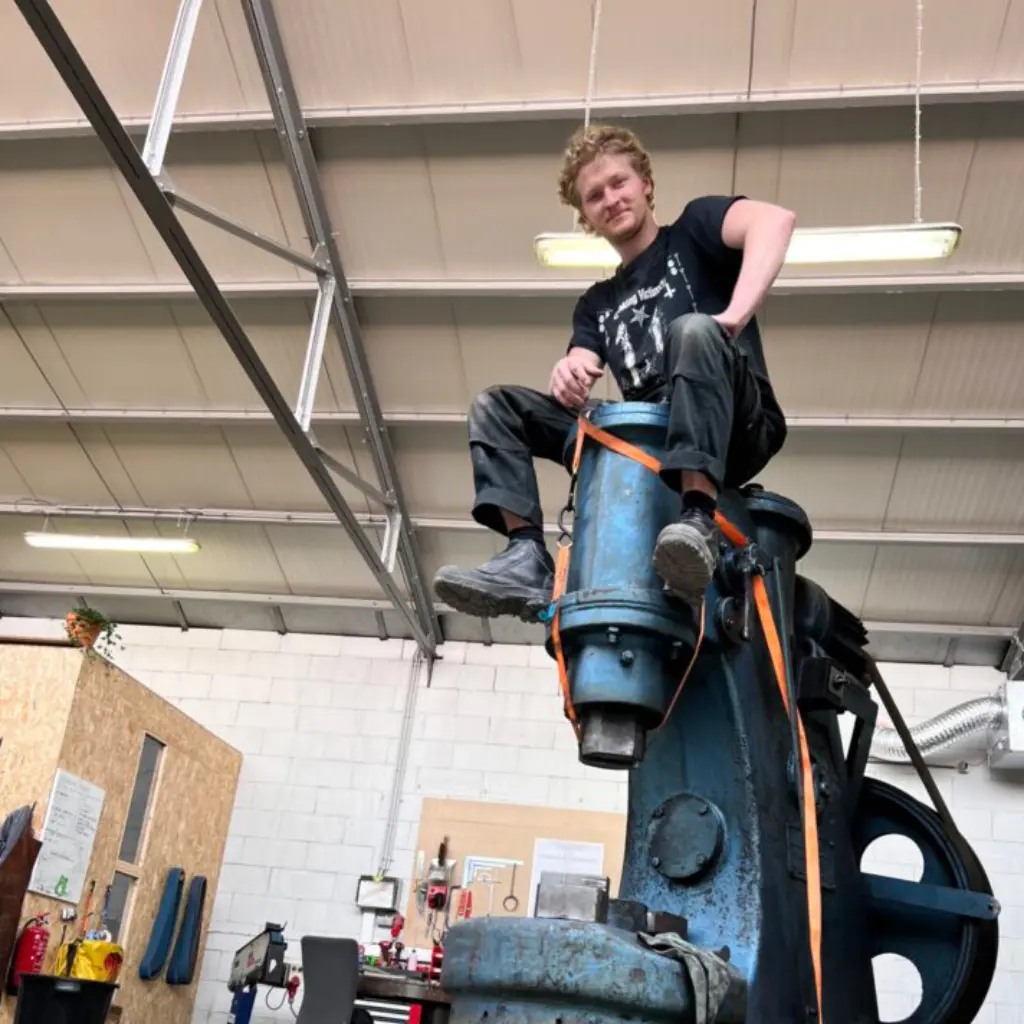
The Artist Blacksmithing degree allowed me to find what I’m really driven by and helped me lay out a direction in which I would like to progress as a maker. The course itself is more than just learning the craft of blacksmithing, it also covers a lot of critical thinking and translating that into an idea, and into a tangible design.
Sam Matthijs

The artist blacksmithing degree laid the groundwork for my creative process. The time spent discussing design, aesthetic and creative values with my fellow students gave me the self-assurance to confidently approach challenging design scenarios and to sell my work.
Toby Forbes Gower
Across the Art School and the National School of Blacksmithing, your day might bring together creative exploration, specialist making and critical reflection. You could begin by drawing and experimenting with clay, wood, glass, copper or aluminium in your dedicated studio, then explore form, proportion and detail through digital design, models and prototypes in the Art School’s digital skills centre. At the forge, you might test and refine your ideas through forging, fabrication and welding, choosing processes that support your creative intentions. Lectures and seminars connect making with current thinking, critical analysis and debate, while research in the Art & Design library introduces you to artists, designers and approaches that challenge assumptions, inform your choices and shape your creative direction. The facilities below support this exchange between ideas, materials and making across both sites.


Hereford College of Arts has a diverse mix of students, including people with different learning styles and needs. We have a positive, inclusive atmosphere where all of our students are able to access support for their studies. Find out more here.

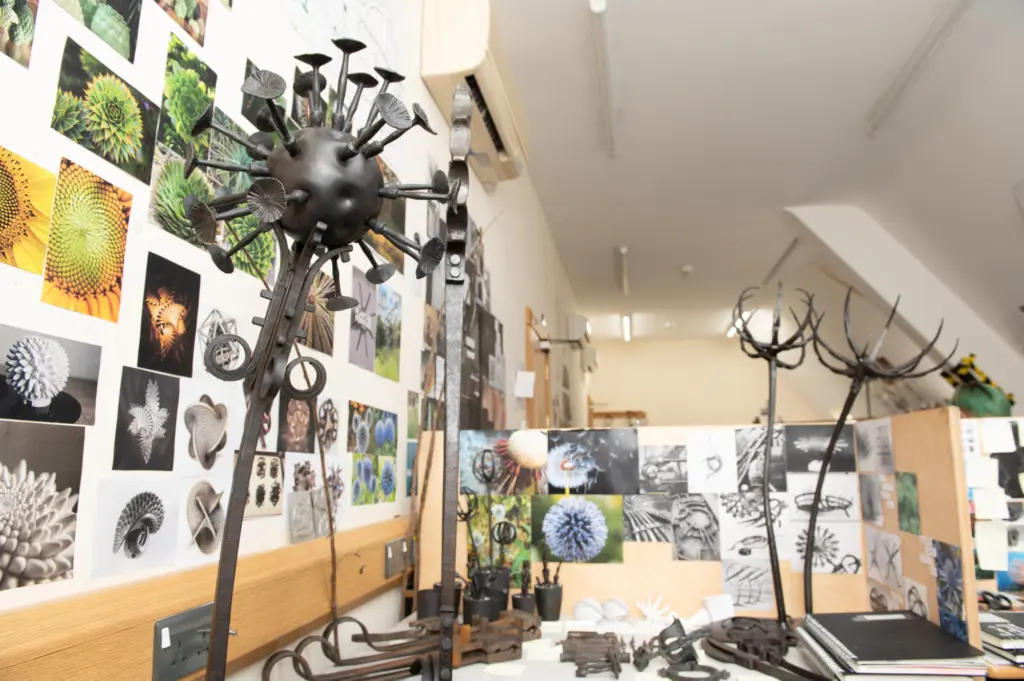
You have your own studio space; where ideas are made real and lasting connections are made. Filling its walls compliments reflective book work, driving the design process forward; current thinking made visible through drawn and made tests. Studio culture is essential to the success of your design and make projects.
Book an Open Day
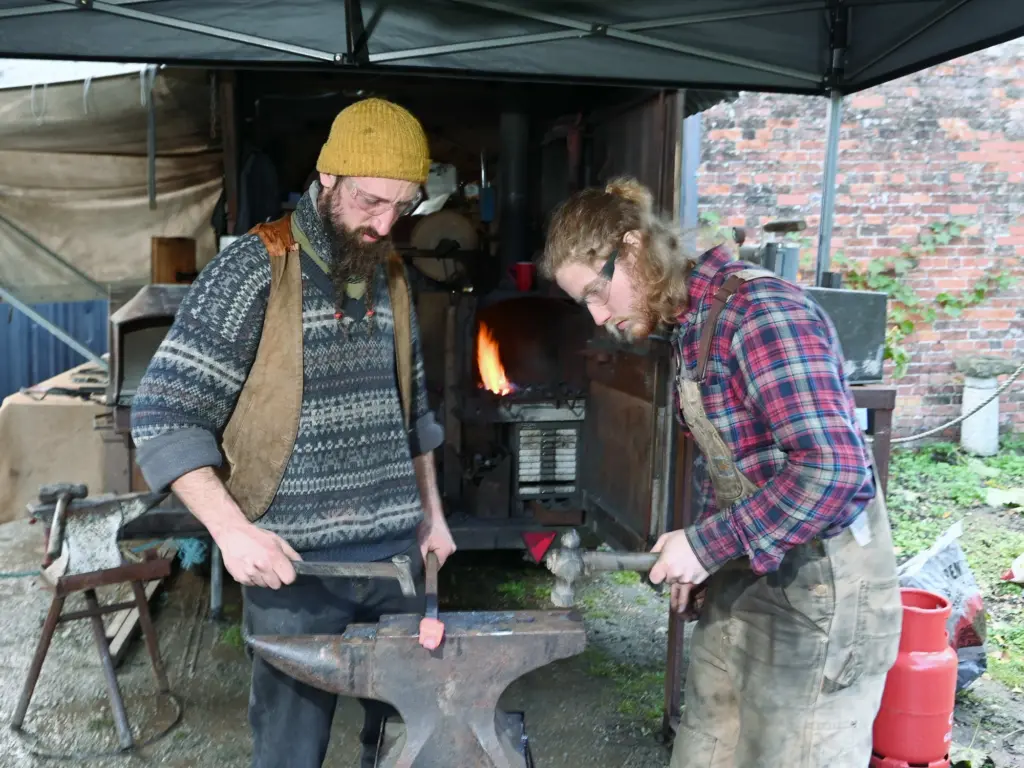
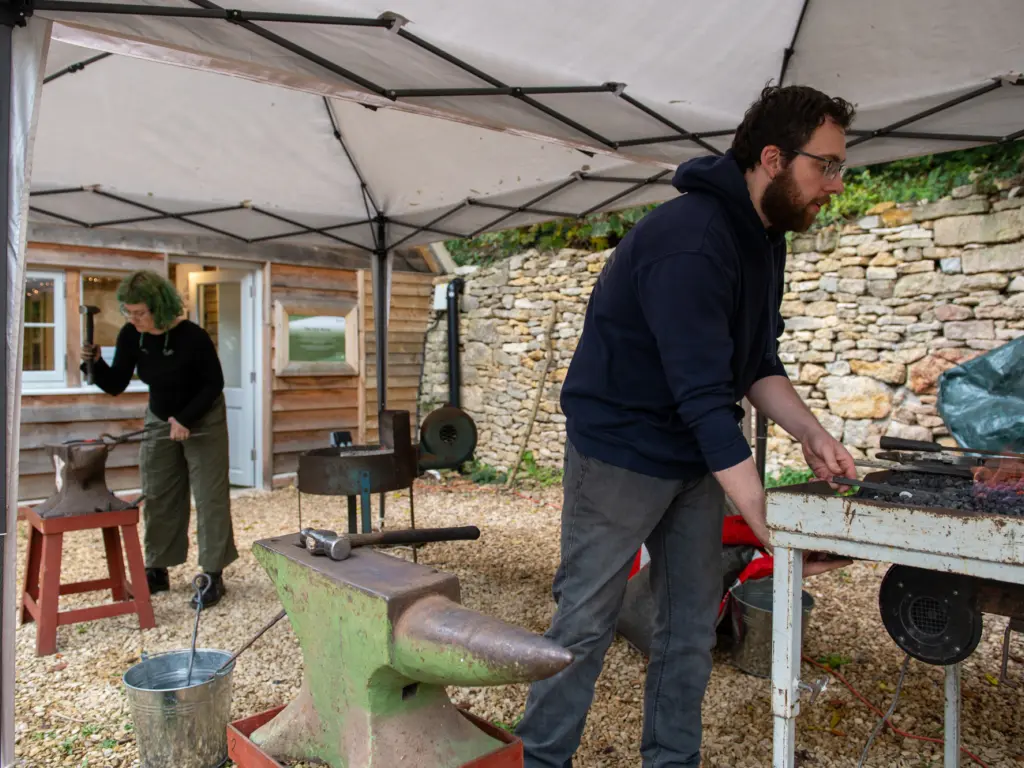
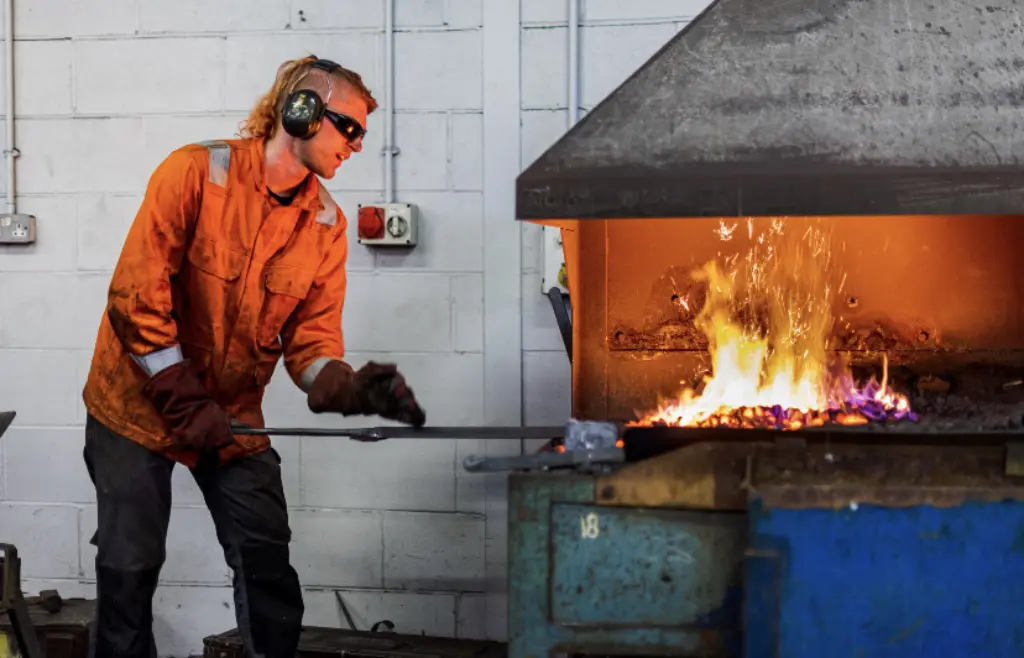
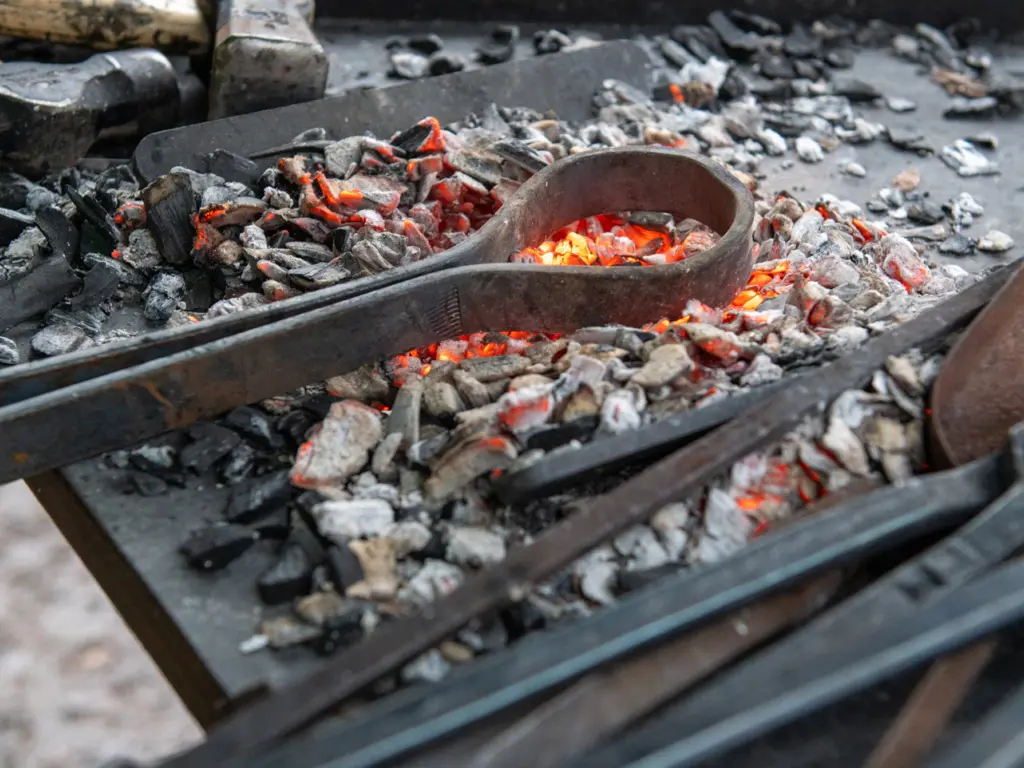
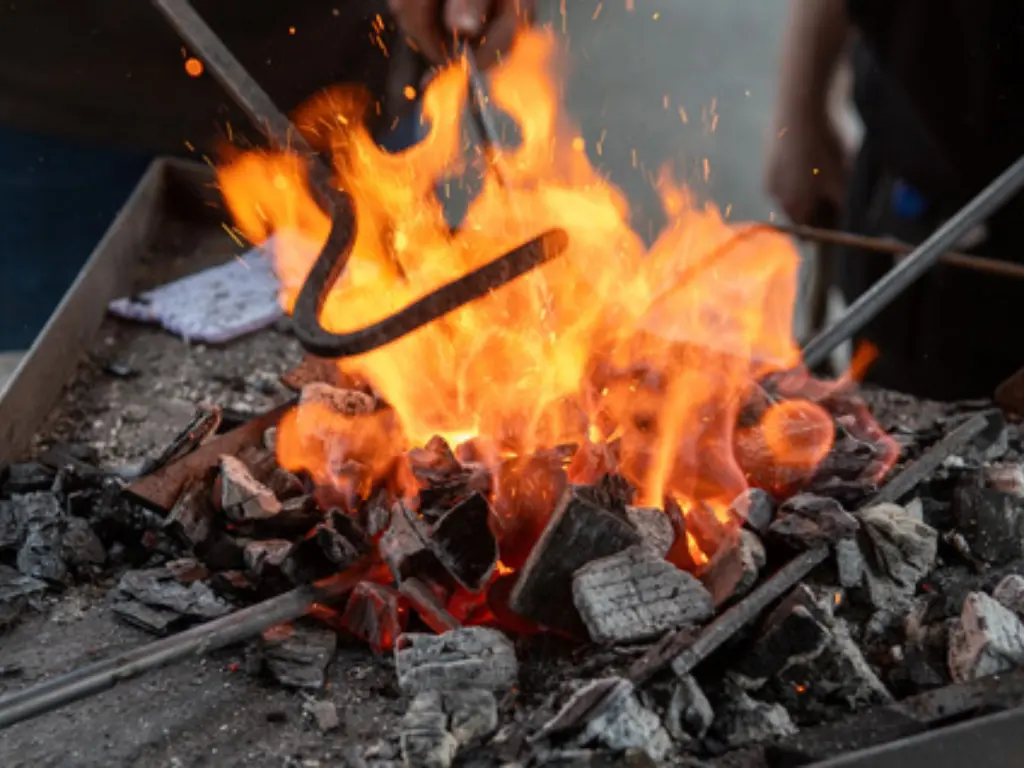
The National School of Blacksmithing boasts forty-two side blast coke forges where you are taught the fundamentals of blacksmithing. There are also propane forges for working longer sections with more consistent heat control. The Tutors at the National School of Blacksmithing bring over 150 collective years of forge experience.
Book an Open Day
The National School of Blacksmithing provides four power hammers, a 25-ton hydraulic press, four fly presses, a large bandsaw, a cropper and two laying out tables. In addition to top and bottom swages, fullers, flatters, set hammers and a wide range of tongs including a variety of power hammer tooling. You are also taught how to safely use angle grinders with various attachments, oxy-acetylene and oxy-propane gas torches.
Book an Open Day
The Welding department at the National School of Blacksmithing allows for a variety of techniques to be taught including TiG, MiG/MAG, ARC/Stick, Gas, and Brazing These processes are taught in structured lessons to expand your skills and understand selecting the correct process.
Book an Open Day
The Fabrication tools you have access to at the National School of Blacksmithing include sheet metal benders, rollers, and a scroll jenny. The department has a large CNC Laser cutter which can cut up to 12mm thick plate, a large and small cropper, vertical and horizontal bandsaws, a hand plasma cutter, and a die grinder.
Book an Open Day
In the Queens workshop, you can explore and experiment with various materials and processes in a well-equipped space. The facilities include small metals, wood, cold casting, 3D printing, and MDF/Plywood laser cutting, as well as welders and jewellers' benches. Techniques you can learn include woodturning, steam bending, resin and Jesmonite casting, various welding processes, 3D printing, vinyl, and veneering. Skilled Technical Demonstrators support your learning, ensuring a comprehensive experience.
Book an Open Day
The Queens workshop is divided into four zones: Metals (jewellery, silversmithing, machining, welding, fabrication), Woodwork (steam bending, lamination, woodturning), Cold Casting (silicone mold making, jesmonite, resin), and Digital Fabrication (scanning, laser cutting, 3D printing).
Book an Open Day
The Small Metals workshop has fully equipped communal and individual workspaces to practice your bench skills. The workshop is equipped for a variety of specialist processes and has two larger silversmithing hearths. The walls are adorned with process samples for inspiration, and the space is overseen by highly skilled Technical Demonstrators.
Book an Open Day
The Ceramics and Glass workshop offers an opportunity to explore the tactile nature of clay and the artistry of glass cutting, fusing and slumping. You can develop skills in slab building, slip casting, and throwing, either for conceptual art or commercial projects. Technical demonstrators are available to guide you through all processes.
Book an Open Day
Our textiles workshops provide an open and accessible space to explore print, dye, weave, knit, and mixed media surface design techniques. Focusing on sustainability and innovation, you’ll combine methods from across various disciplines, pushing your creative boundaries throughout your degree. The technical support, along with academic and industry guidance, encourages you to develop an original, innovative design practice.
Book an Open Day
A dedicated art and design library carefully curated by knowledgeable librarians who will support you to access the materials in the collection. Includes books and magazines from a comprehensive selection of creative disciplines, critical & cultural theory and specialist journals. Plus, study spaces and IT provision. A college hub and key workshop area.
Book an Open Day
Digital Design and Making is embedded into both curriculum and your practice. Offering the ability to test possibilities, accelerate iterations and resolve outcomes efficiently. The use of digital tools allows makers to visualise, prototype and refine project work across a range of materials and processes in additive and subtractive manufacturing.
Book an Open Day
Opened in 2024 our Digital Skills Centre is an alternative space to the Graphic and Media Design Studios to craft your designs. Kitted out with new Macs and PCs, the area is staffed by Digital Demonstrators who also run weekly intro and How To classes on design software.
Book an Open Day
Our photography studios and darkroom facilities offer extensive opportunities to gain hands-on experience with both digital and traditional techniques. You will acquire invaluable skills ensuring you take superb photos of your creative process and final outcomes. Work alongside professional photographers and technical specialists to get outstanding images of your work.
Book an Open Day
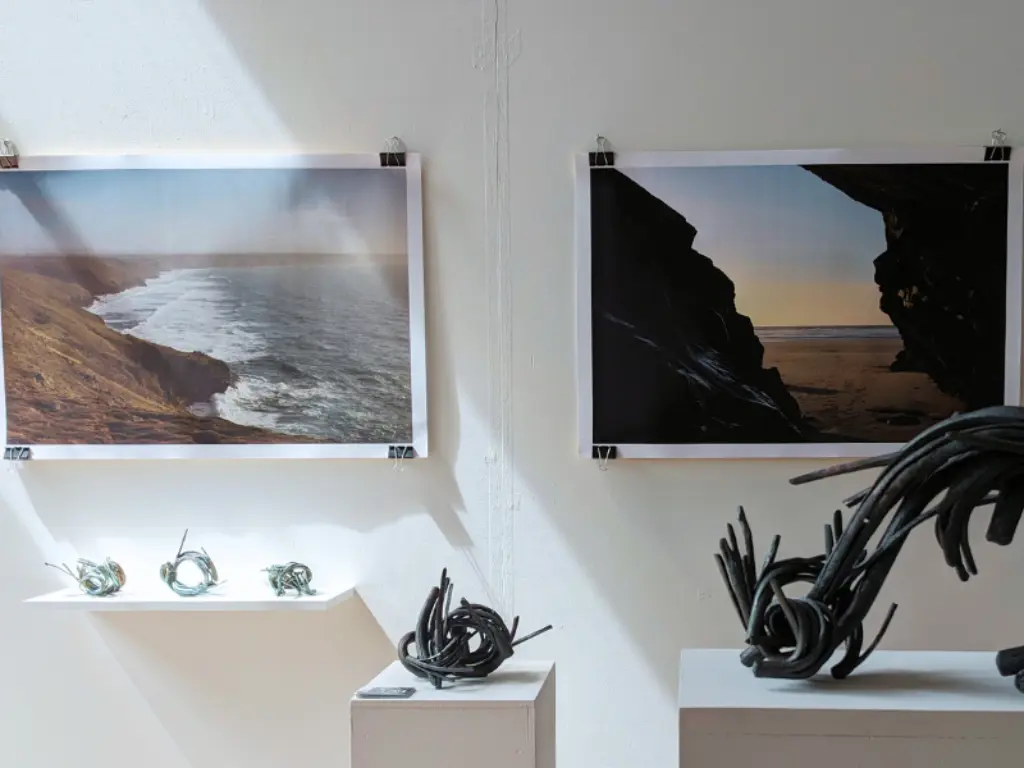
Making can be understood as a product of agency—the interaction of maker, material, and place. Rather than being solely controlled by the artist, objects emerge through a dynamic relationship between these factors, each influencing the outcome. Examples by Chillida, Cole, and Hellman demonstrate how agency can shift between maker, material, and place, highlighting that meaningful artworks often arise from their evolving collaboration.
Read more
This essay applies Karen Barad’s agential realism to artist blacksmithing, arguing that hot metal forging is a posthuman process shaped by the intra-action of human and non-human agents. Through examples from Richard Serra, Will Maguire, and the author’s practice, it explores how form and meaning emerge through relationships between artistic intention, materials, and forces.
Read more
This essay examines industrial-inspired art and artist blacksmithing, questioning whether aesthetic responses alone are sufficient or if deeper meaning should be embedded within the work. Drawing on Charles Sanders Peirce’s theory of signs, it analyses the practices of David Smith, Pete Mattila, and Will Maguire to explore how industrial forms communicate meaning. Supported by interviews and theories of material culture, craft, function, and formalism, the research aims to inform and strengthen the author's developing artistic practice.
read more
This essay explores how artist blacksmithing can adopt a more ecologically conscious and biophilic approach. Drawing on environmental theory, semiotics, and the work of artists such as Jamie North and Katie Spragg, it develops a manifesto advocating connection to place, appreciation rather than imitation of nature, and craft practices that foster environmental awareness, ethical responsibility, and deeper engagement with natural systems.
Read more
This essay argues that Brutalism can be understood as a contemporary expression of the sublime. Drawing on theories of the sublime from Edmund Burke, Immanuel Kant, and Roland Barthes, it examines how Brutalist architecture and sculpture evoke feelings of awe, unease, power, and fascination. Connected to the author’s artistic practice, the research explores parallels between the overwhelming, often confrontational qualities of electronic music and the imposing forms of Brutalism, suggesting that both create sublime experiences through scale, unfamiliarity, intensity, and emotional ambiguity.
Read moreExplore ideas through research, drawing, digital design and making. Experiment with materials while building essential forging, fabrication and welding skills. Discover the history of craft, respond to briefs and collaborate with others as you build creative confidence and learn to reflect on your progress.
Experiment with ways to generate ideas through research, drawing, digital design and making. Using a range of practical creative approaches, you will experiment with materials, create samples and models, then apply your discoveries at the forge. You will build creative confidence, practical awareness, design skills and the ability to record, reflect on and communicate your developing practice clearly to others.
Build essential making skills through practical forging, theory, fabrication and welding. Guided demonstrations and supervised workshop exercises help you use tools, materials and processes safely and confidently. You will record and reflect on your progress in a technical journal, then apply your developing skills to a design and make project, testing ideas and making informed creative decisions with purpose.
Explore the history of craft, from prehistoric making to contemporary practice. Through lectures, discussion and close study of crafted objects, you will examine how materials, techniques, functions and cultural change shape design. You will create an illustrated, annotated timeline and develop your research, observation and critical thinking skills. You will then apply these skills to academic writing and referencing, helping you understand your own creative practice within its wider context.
Put your emerging creative practice into action by turning research and inspiration into forged outcomes. Through drawing, modelling, making and testing, you will explore ideas. Tutorials, critiques, visiting practitioner talks and reflective journalling will support your progress. You will learn to respond to briefs, communicate intentions, evaluate decisions and refine your work with growing independence and creative confidence.
Discover what it means to become a confident, responsible creative practitioner. Through workshops, collaborative briefs, guest talks and independent activities, you will develop ideas, test materials and processes, manage projects and respond to feedback. You will also build skills in reflection, communication, teamwork, digital practice and professional awareness, helping you understand your creative direction and prepare for study and employment.
Develop your response to a chosen site through research, experimentation and making. Define your creative identity and professional direction by investigating questions emerging in your work, completing a professional project or work experience and creating a practical development plan. Refine your forging skills and present your outcomes publicly.
Develop your response to a chosen site through research, experimentation and making. Define your creative identity and professional direction by investigating questions emerging in your work, completing a professional project or work experience and creating a practical development plan. Refine your forging skills and present your outcomes publicly.
Sharpen your research and critical thinking by investigating the questions and interests emerging in your own work. You’ll explore meaning, value and how creative work is produced within different cultural contexts. You’ll develop the confidence to discuss and communicate your ideas and explain how they relate to contemporary creative practice.
Refine your forging skills through practical projects combining object replication, workshop investigation and experimentation. You will reproduce a forged tool or object, explore forming, forge welding, connections, textures, finishes and material behaviour, then investigate a focused technical question. By documenting your work in a technical journal, you will strengthen process control, problem-solving, reflection, technical confidence, creative decision-making and greater independence.
Define your creative identity through research, experimentation and making. You will respond to a chosen brief, explore materials and processes, test ideas through drawing and practical work, and create a resolved forged outcome for a professional context. Alongside making, you will strengthen your skills in planning, presentation, communication, reflection and confident independent decision-making for future creative practice.
Shape your professional direction by examining how creative professionals build sustainable careers across employment, freelance practice, enterprise and public-facing work. Through talks, case studies, workshops and tutorials, you will plan and complete a professional project or work experience. You will reflect on your learning, strengthen presentation and self-management skills, review your online presence, and create a practical development plan for your future creative career goals.
Focus your individual practice through self-directed projects, bringing critical research and studio making together. Resolve your ideas into a coherent body of work for public exhibition and communicate your creative direction with confidence. Launch your creative career with a professional portfolio, application materials and a practical career plan to support your next steps after graduation.
Focus your individual practice through a self-directed project. You will research ideas, plan your work, and experiment with drawing, modelling, forging, scale and finishes. Forge and studio practice will help you refine technical decisions and create a coherent body of work. You will also document, evaluate and communicate your practice, creative identity and professional direction.
Bring critical research and studio practice together by investigating a subject that directly connects with your creative work. You’ll develop the ability to contextualise your practice, communicate your ideas with confidence and articulate where your work sits within wider creative, cultural and professional conversations.
Resolve an ambitious, self-directed project from initial proposal to public exhibition. Through research, drawing, material testing, forging, tutorials and peer critique, you will refine your ideas and produce a resolved body of work. You will strengthen your practical, reflective and communication skills, learn to present and document your practice professionally, articulate your practice to public audiences and launch your creative career.
Prepare to launch your creative career by exploring professional expectations, employment options and self-employment. Through lectures, seminars, tutorials and industry-focused activities, you will research opportunities, understand responsibilities such as contracts, budgeting, and build a professional portfolio. You will also develop application materials, presentation skills, a confident online presence and a practical career plan for your next steps after graduation.


1 min read time
1 min read time

1 min read time

2 mins read time
1 min read time
1 min read time

2 mins read time

5 mins read time

3 mins read time

3 mins read time
95.7 %
The course has achieved an overall aggregated satisfaction score of 95.7% in the NSS 2026 Student Feedback survey. The National Student Survey is a UK-wide survey of final-year undergraduate students and a key measure of the student experience across higher education. This is a standout result, showing exceptionally strong student satisfaction with the course.
The course has received 100% satisfaction scores across a wide range of questions in the NSS 2026 Student Feedback survey. The National Student Survey is a UK-wide survey completed by final-year undergraduate students and is one of the main ways student experience is measured across higher education. Students gave top ratings in areas including teaching, academic support, assessment and feedback, learning resources, student voice, wellbeing information and freedom of expression, reflecting consistently positive feedback across the course.
Our Talking Practice lectures connect students with leading forged metal artists and designers worldwide, offering insight into creative life in practice. Through in-person and online talks, students explore how makers develop ideas, work with materials, solve challenges and build sustainable professional paths. This academic year, students heard from:
Benjamin Kjellman Chaplin – Norway
Caleb Kullman – USA
Annie Higgins – England
Janne Peltokangas – Finland
Matthias Kuhn – Germany
Stephen Yusko – USA
Melissa Cole – England
Adam Hawk – USA
Lisa Geersten – USA
Creative Industries Days brought together two days of creative conversations, professional insight and opportunity, giving graduating students a fabulous chance to share their practice with creative industry leaders just before their Degree Show. At this pivotal moment, students presented their final projects, spoke confidently about their ideas, processes and ambitions, and received valuable encouragement, connection and real-world perspective from professionals working across the creative industries.
Industry professionals who supported Creative Industries Days 2026
Emma Daker – Craftspace
Victoria Hopkins and Sophie Cunliffe – Alloy Herefordshire CIC
Col Hamilton – CUP Ceramics
Richard Foot – Design Nation
Ingrid Bain – The Courtyard
Jon and Gemma Johnson – Mountain Perspective
Kathryn Willis and Ann Jones – Guild of Enamellers
Lyndsay James – Artisan Founder
Liz Valenti – Gloucestershire Guild of Craftsmen
Clare Macfarlane – Bevere Gallery
Sophie Lindsay – Llantarnam Grange
Claire Kingston – National Trust

Head of the School of Materials and Design and Course Leader for BA(Hons) Artist Blacksmithing, MA Forged Metal Arts, and MA Contemporary Crafts

Lecturer - BA(Hons) Artist Blacksmithing

Lecturer - BA (Hons) Artist Blacksmithing

Lecturer - School of Materials and Design

Digital Design Lead

Lecturer - BA(Hons) Artist Blacksmithing

Lecturer - School of Materials & Design

Lecturer - BA(Hons) Artist Blacksmithing

Lecturer - BA(Hons) Artist Blacksmithing

BA(Hons) Artist Blacksmithing - Lecturer

Lecturer - BA(Hons) Textile Design

Lecturer - MA Contemporary Crafts & MA Forged Metal Arts
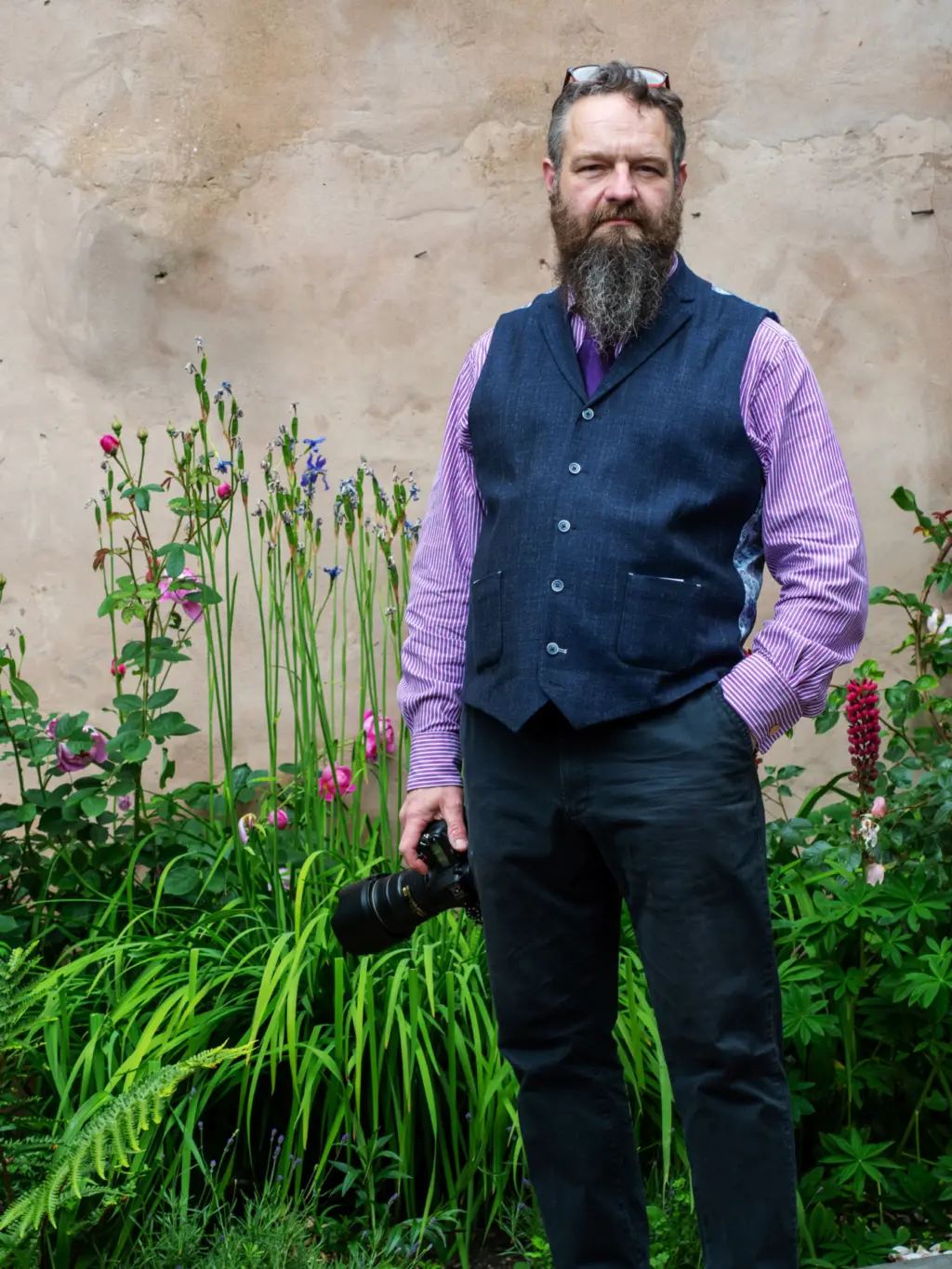
Lecturer - School of Materials & Design

Workshop Manager

Print making

Ceramics Specialist
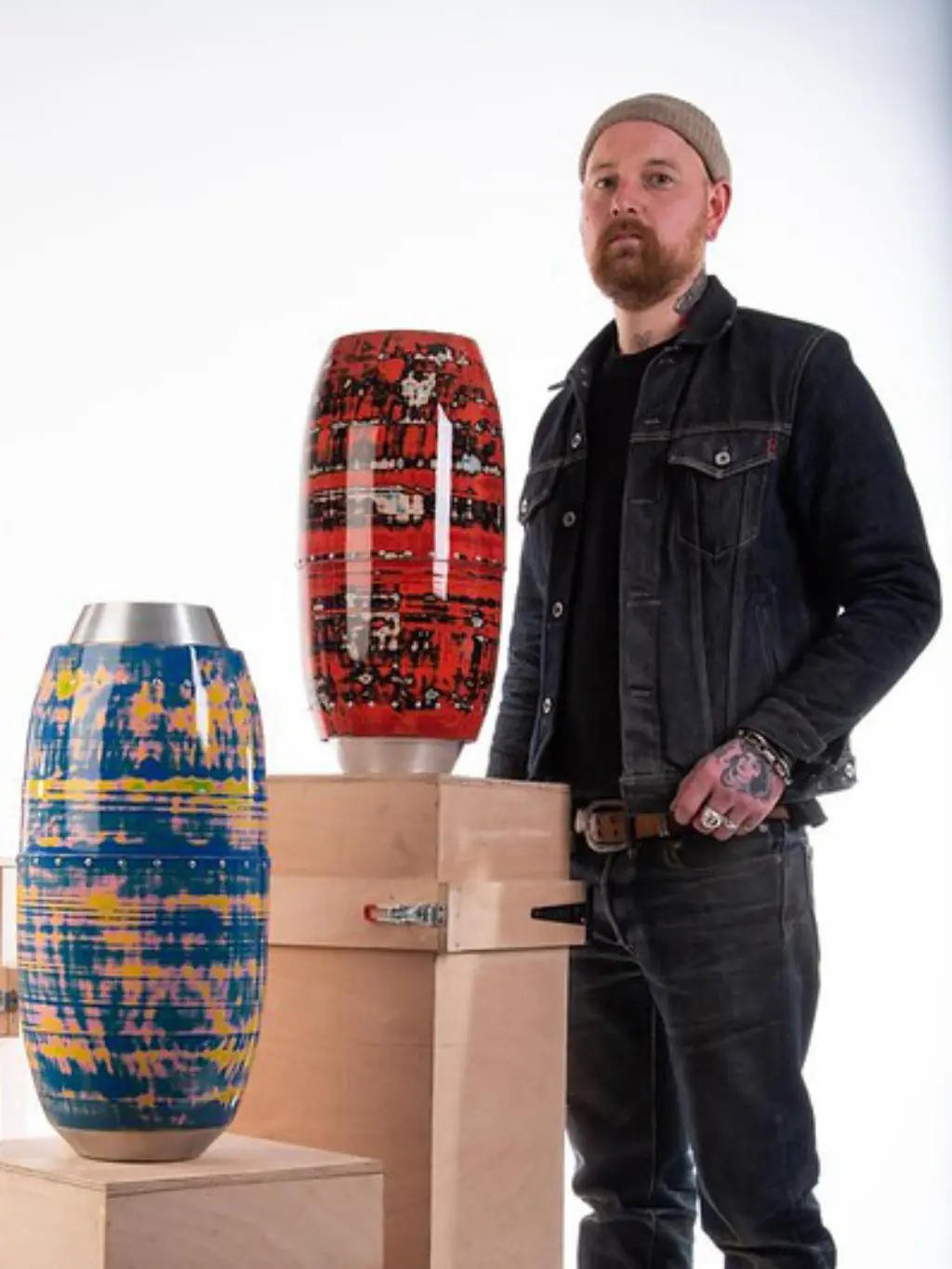
3D Material processes

Ceramics Specialist

Textiles & 3D processes
All undergraduate degrees at HCA are validated by University of Wales Trinity St David.
You can view a detailed breakdown of the course content in the Key Information Document.
This can be downloaded below.
Mature students: Applications from mature students with relevant experience will also be considered.
If you are unsure or have any questions, please contact us at registry@hca.ac.uk and we can offer further advice on HCA and the UWTSD awarding body requirements.
You can apply to HCA by making us one of your options on your UCAS application. In some cases, such as with current students, student transfers and top-ups, we also accept direct applications.
We receive a high number of application all our subject areas so we recommend that you make your application as early as possible.
You can find out out everything you need about the application process using the link below. If you have any questions, just email registry@hca.ac.uk.
Shortly after you apply, our Registry team will be in touch to let you know the details of your interview. At this point, they will also send out information on preparing your portfolio.
Interviews are a chance for you to showcase yourself. They give us an idea of what excites you about the subject, and what you might want to explore further on the course. It’s also your opportunity to ask us questions about the course to ensure it is right for you. The interview will be conducted by the Course Leader or a tutor. You’ll also have the chance to talk to current students and tour the campus, including workshops and other facilities. This is a great opportunity to get a feel for the environment and see where you could be studying.
Bring items you wish to share. We are interested in seeing how you research and develop your ideas, what inspires you, and what you have made. We want to learn what excites you and what you hope to learn, so come prepared with questions. This is your chance to show us your creativity and passion.
We understand that not all applicants have extensive forge experience. Don’t worry if your forge experience is limited. We are looking for potential and enthusiasm. We aim to conduct all interviews face-to-face; however, online interviews can be arranged.
Following your interview Registry will email you with details of the outcome.
Studying is an investment in yourself, and in your future. It’s important to understand the financial support that is available to you, and to be clear about any fees or funding associated with the course you want to study.
Follow the link below to visit our Fees and Funding pages. These pages are designed to help you plan for your future, so you can start your course with confidence in your financial situation.
Everyone’s personal circumstances are different. If you can’t find the information you need, our Student Finance team can offer additional advice.

Your space to make pasta, make friends and make art in the heart of one of the UK’s happiest cities.

Chat to students. Tour the campus. Drop in on some free workshops. Our Open Days are a great way to get a feel for what makes HCA special.

Everything you need to know about applying to HCA - and starting the next stage of your journey as an artist
Everything you need to know about applying to HCA - and starting the next stage of your journey as an artist
Find out moreChat to students. Tour the campus. Drop in on some free workshops. Our Open Days are a great way to get a feel for what makes HCA special.
Book nowUse the options below to change your accessibility settings.


