BA(Hons) Materials & Design
-
Duration
3 years / 6 years
-
Cost
£9,275 p.a. / £4,625 p.a.
-
Course code
W900
-
Institution code
H18
Makers who can think critically, design innovatively, make expertly and position their work in the world.
Overview
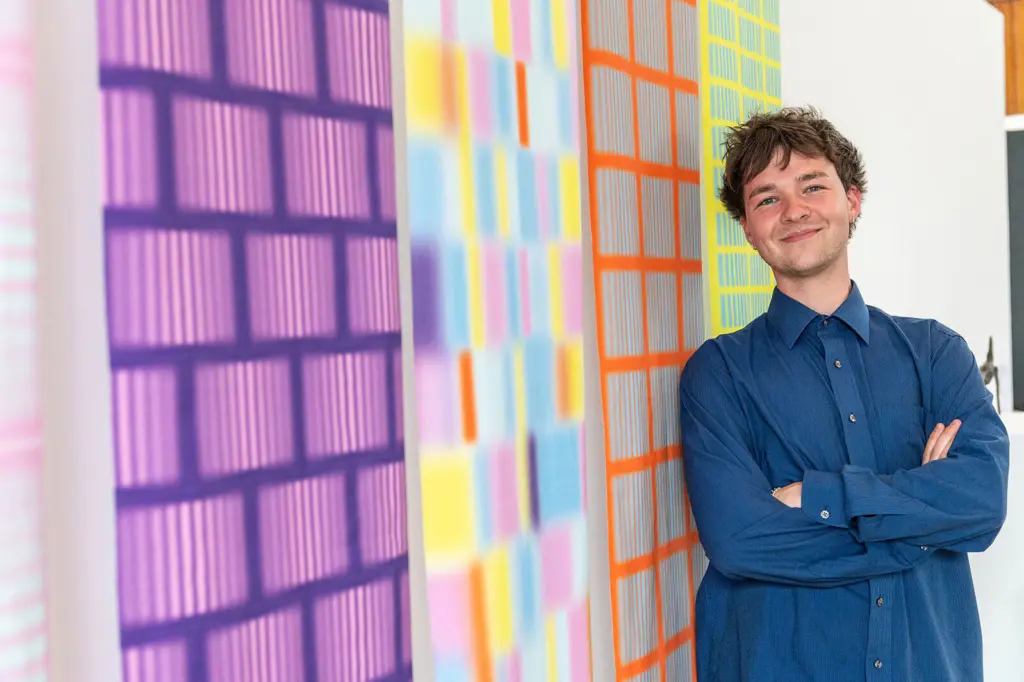
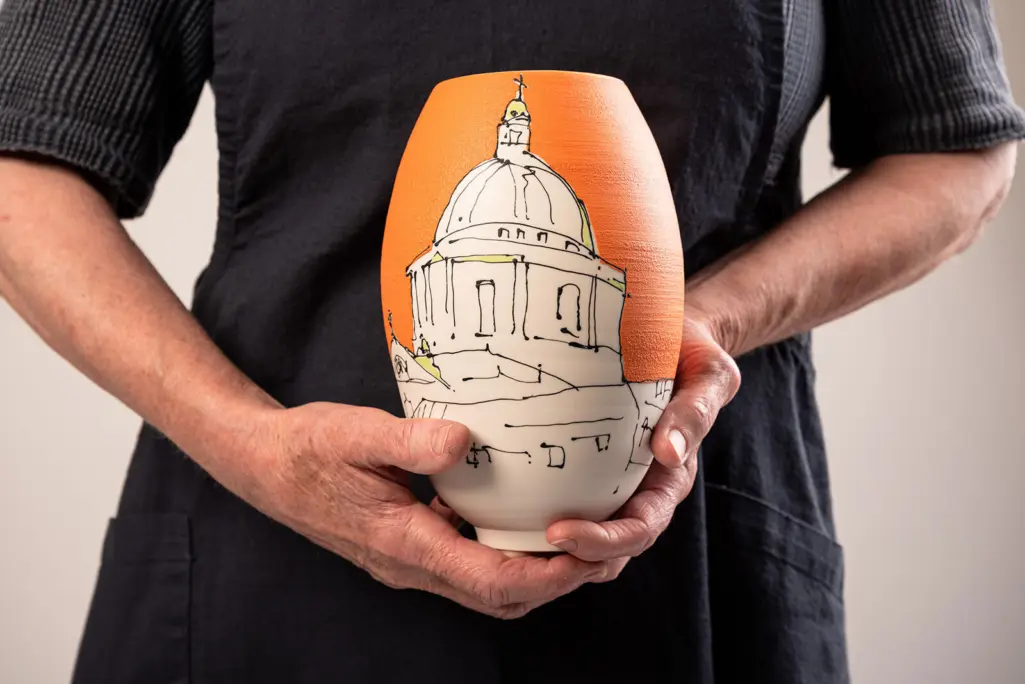
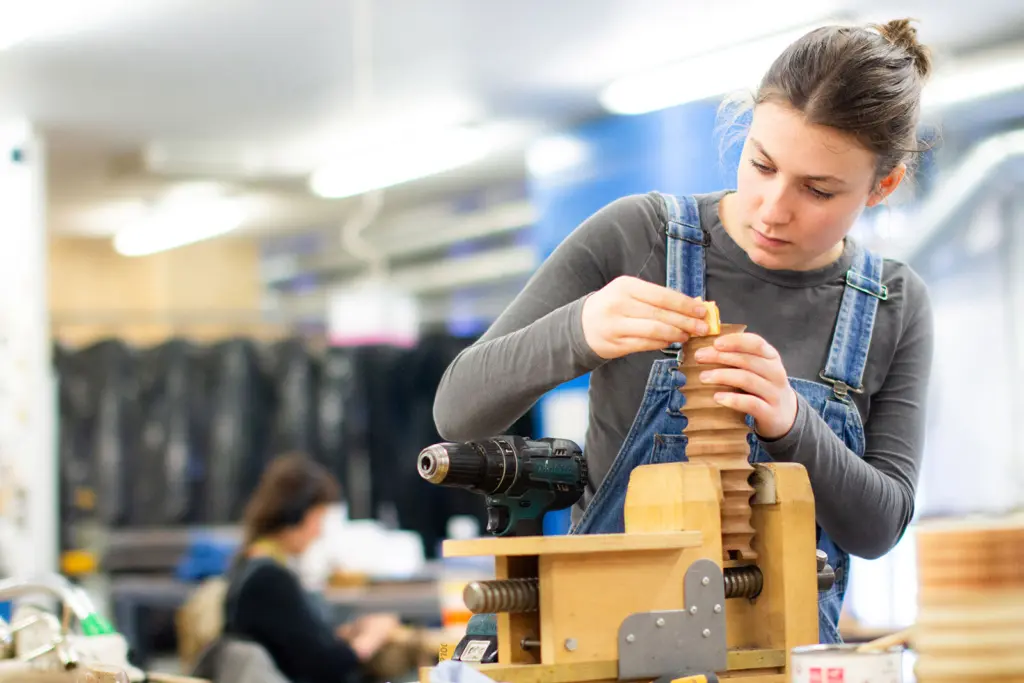
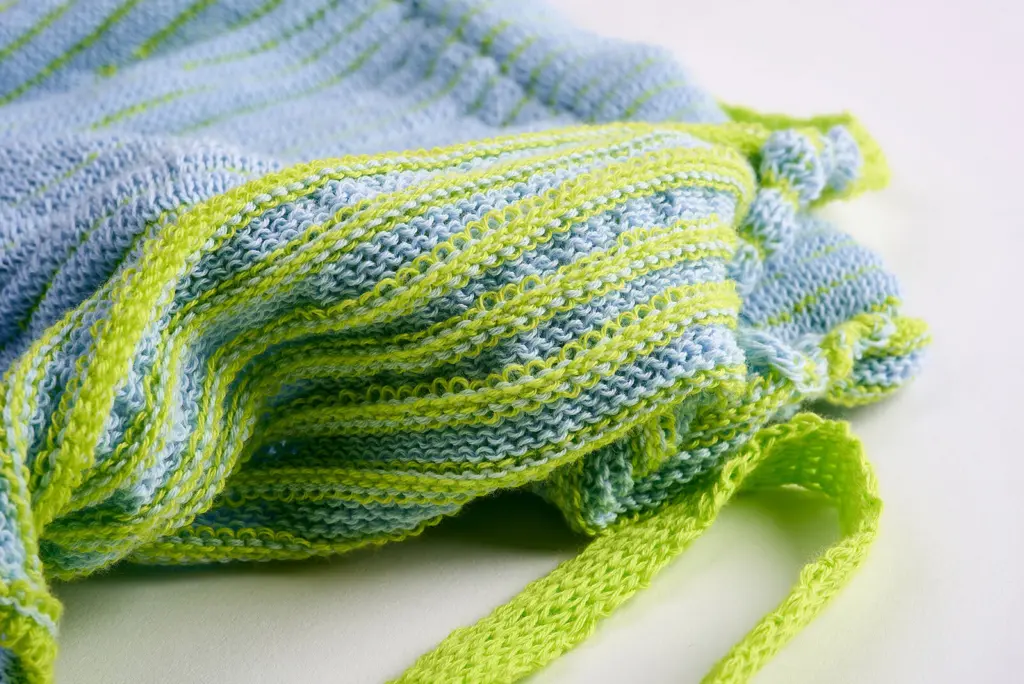
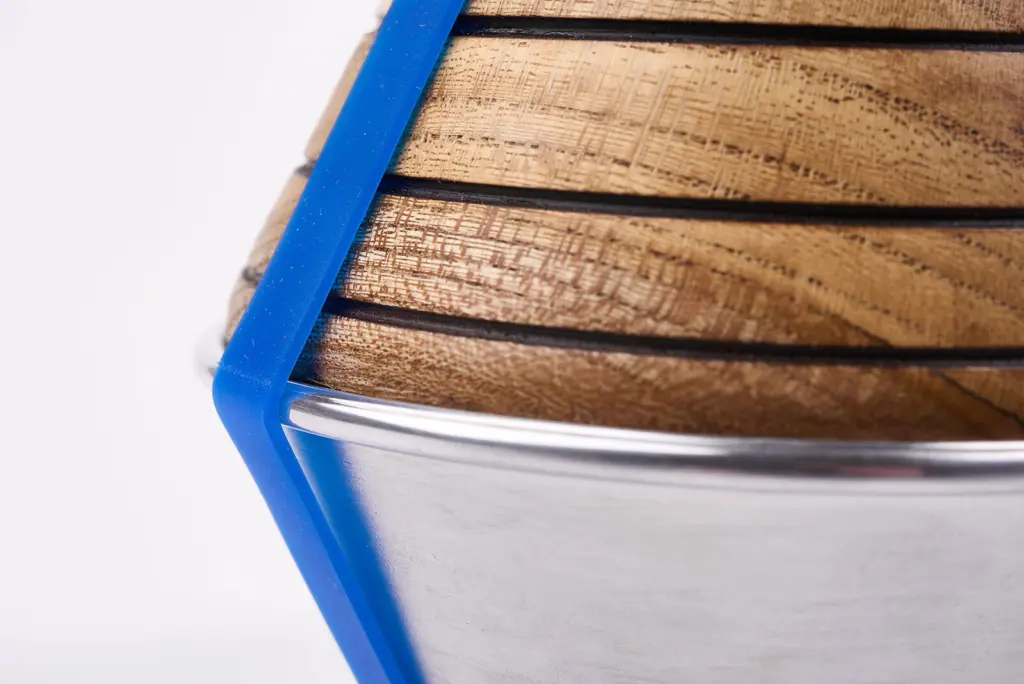
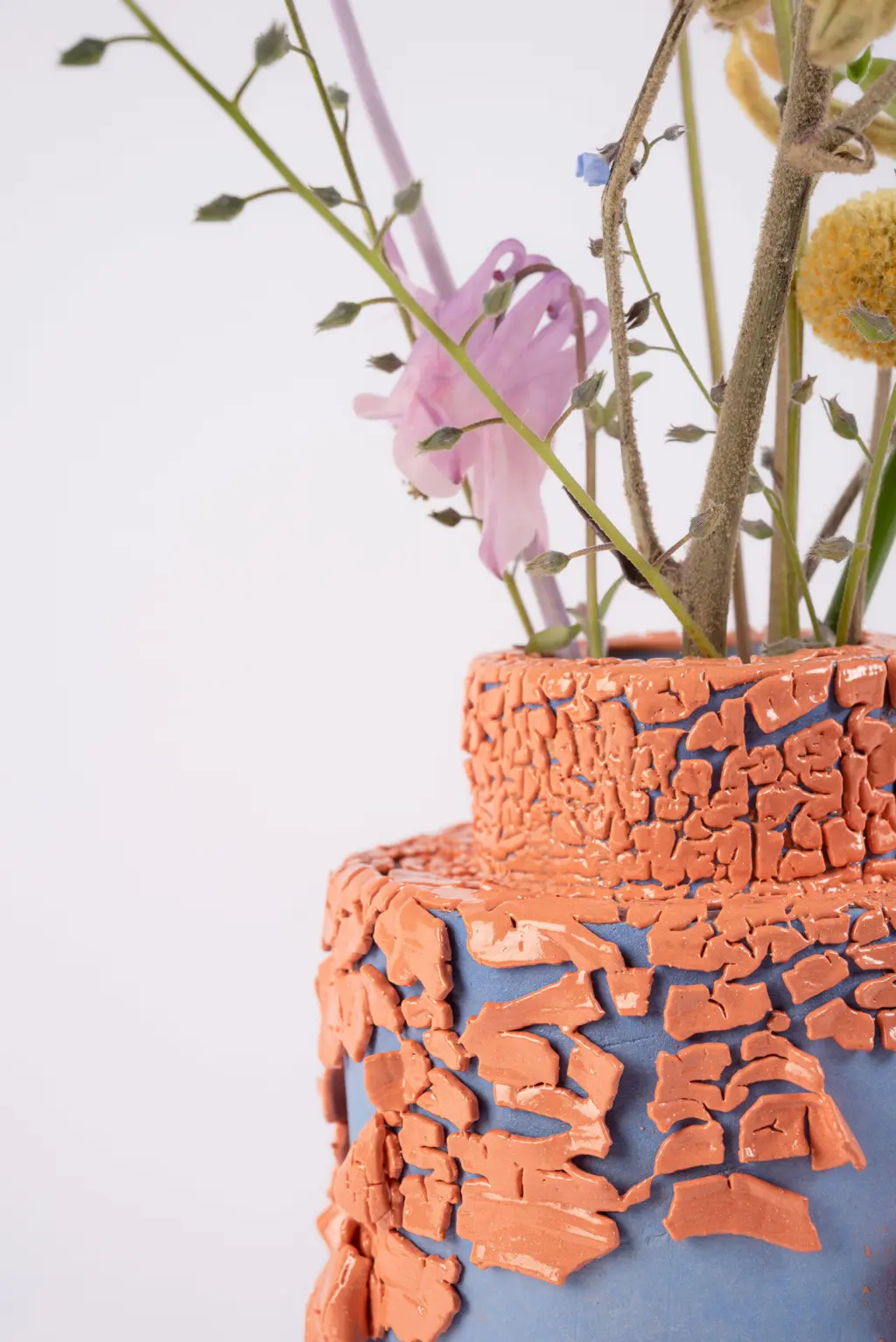
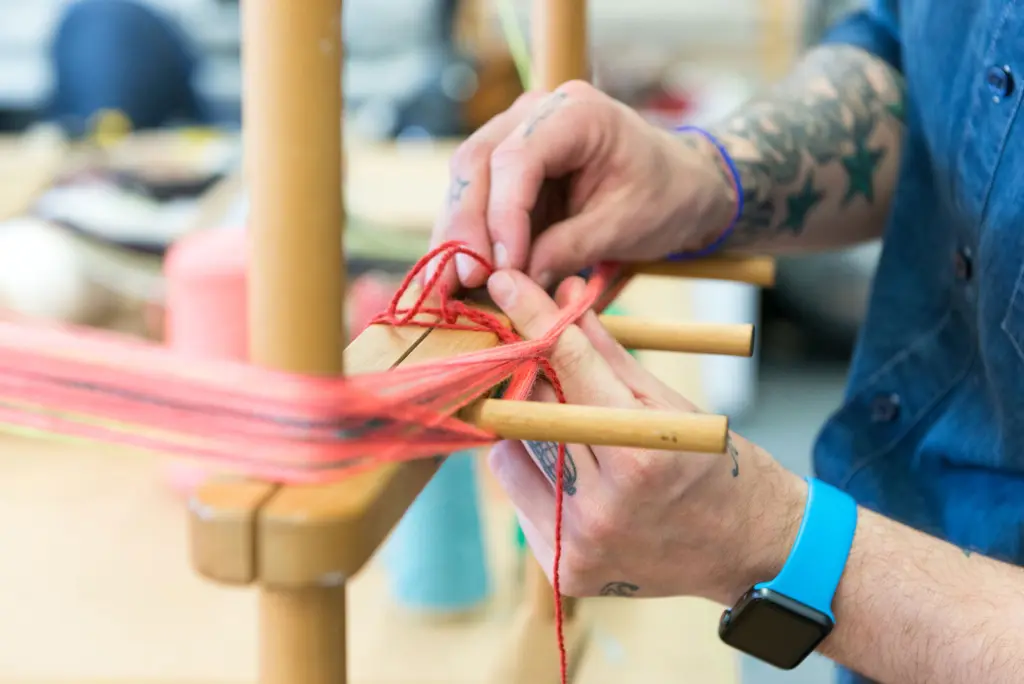
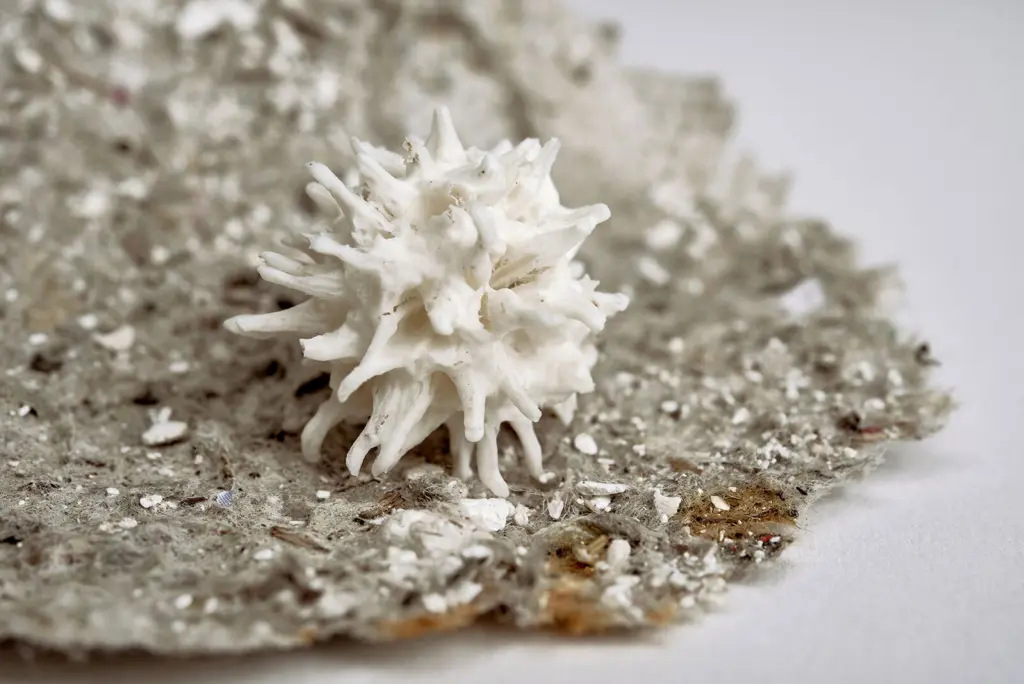
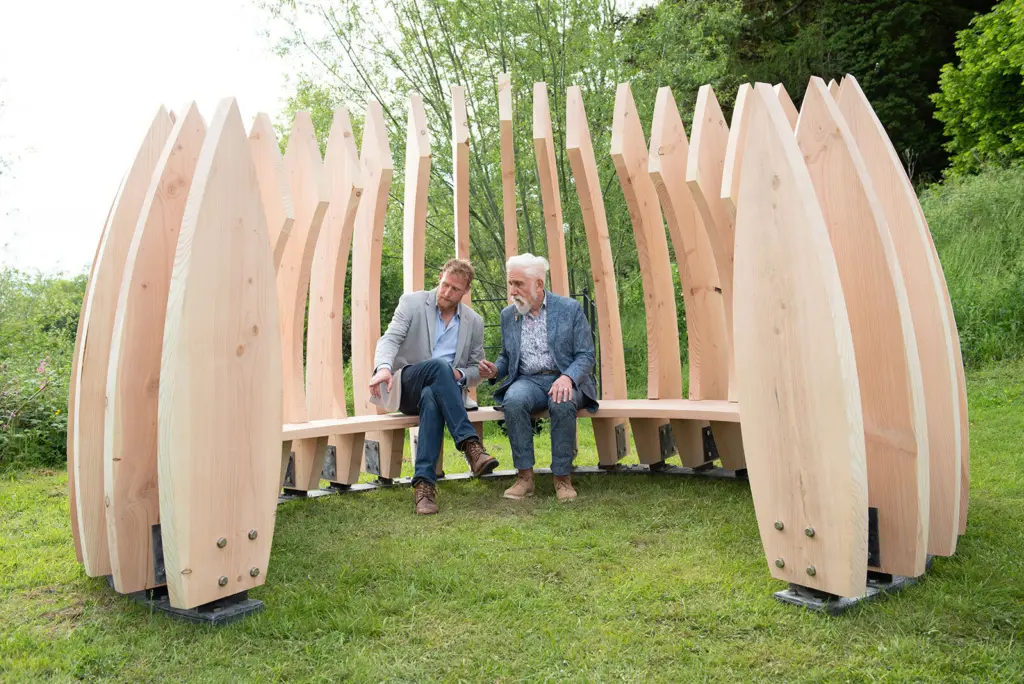
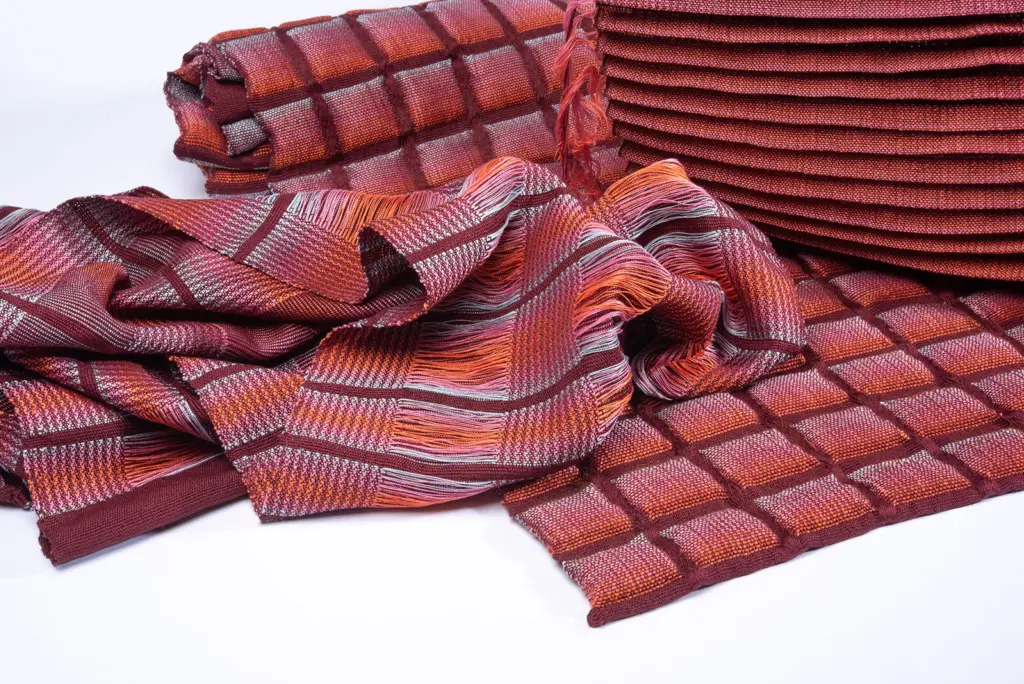
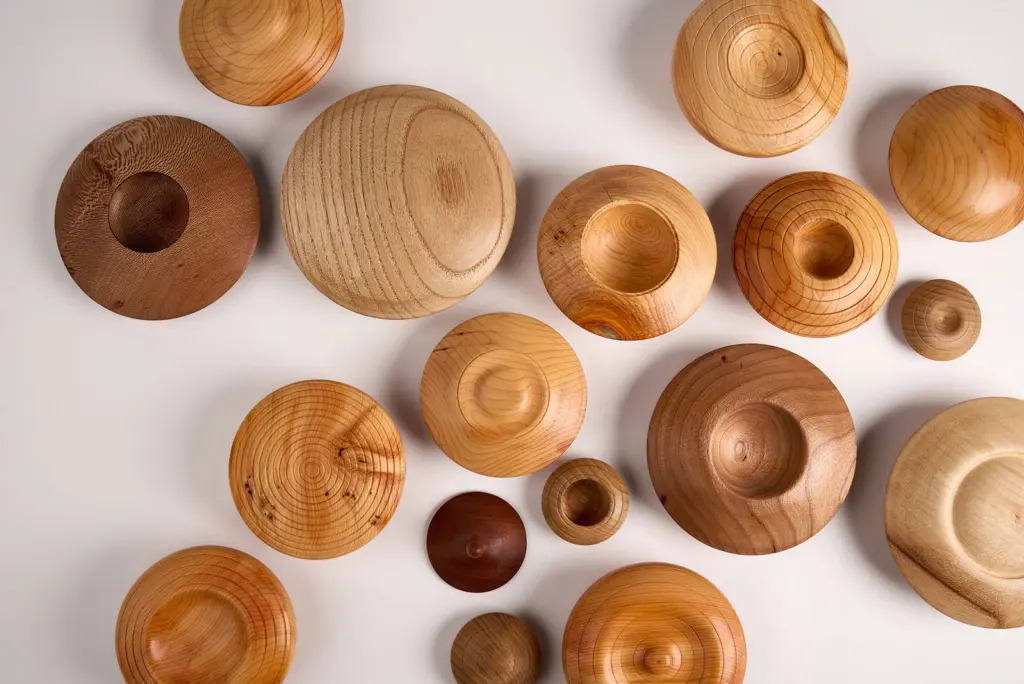
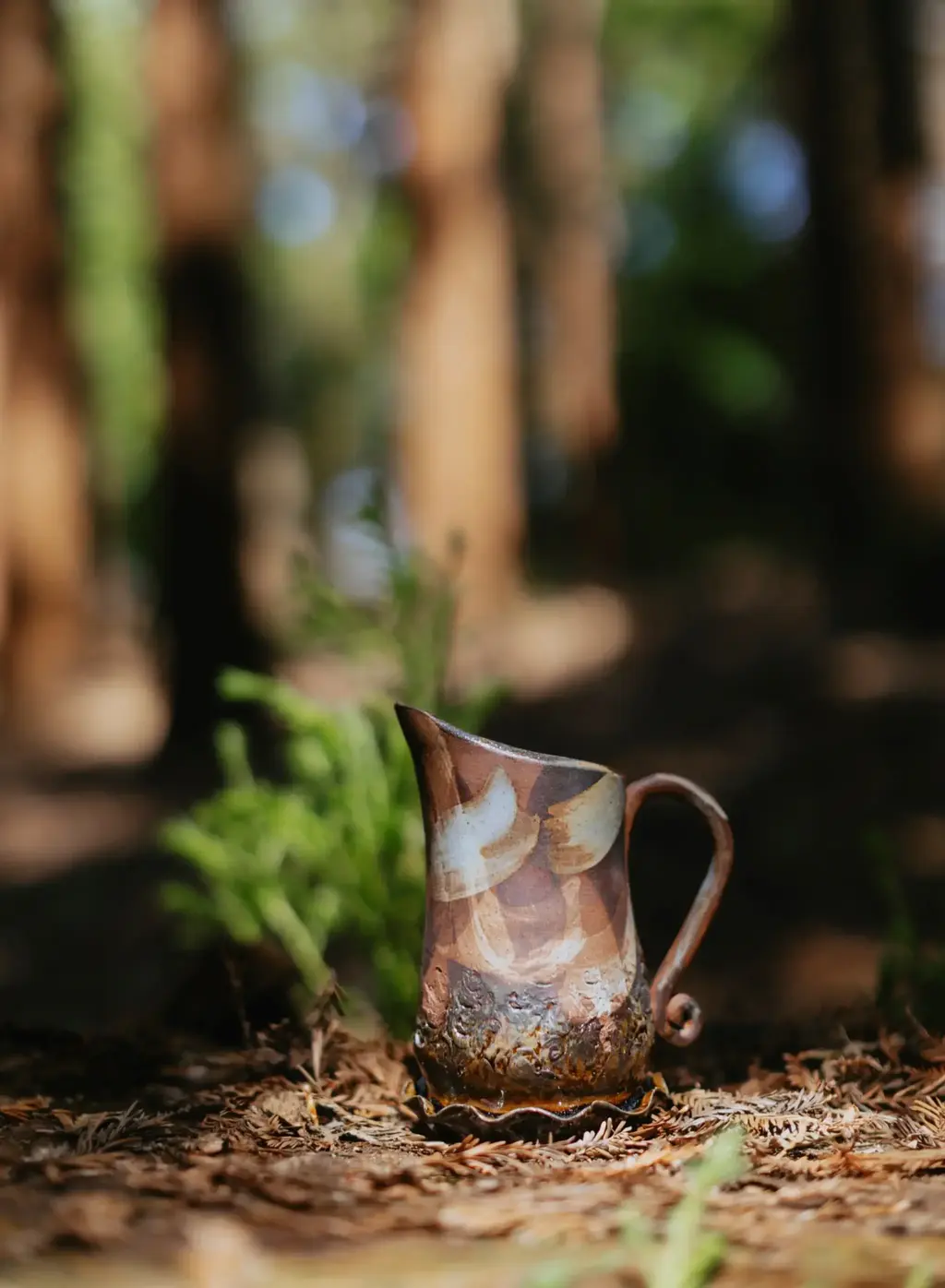
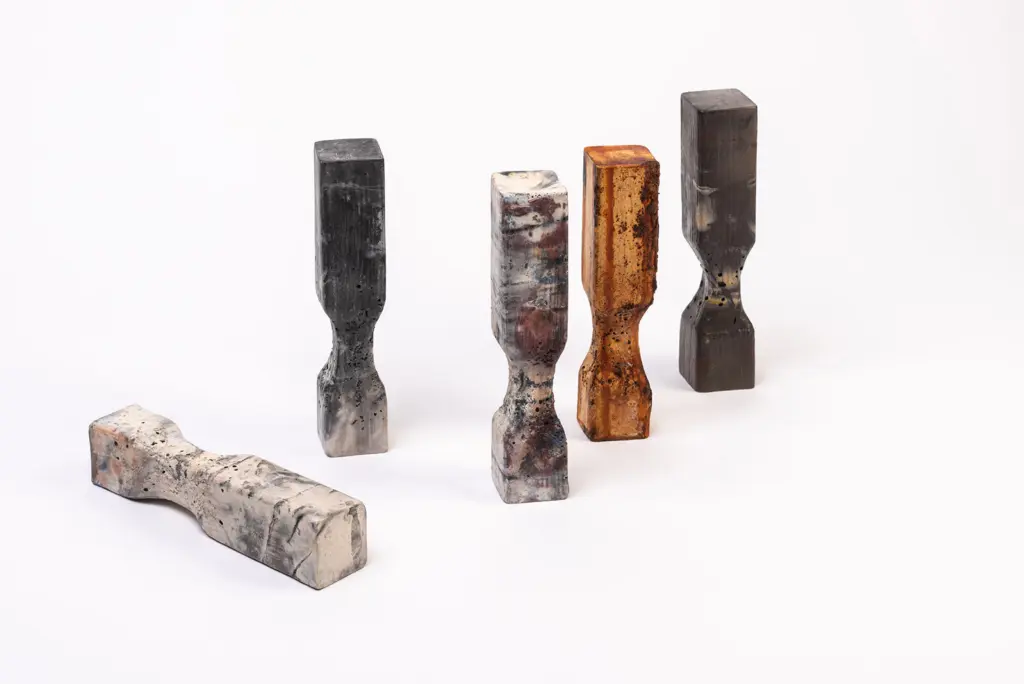
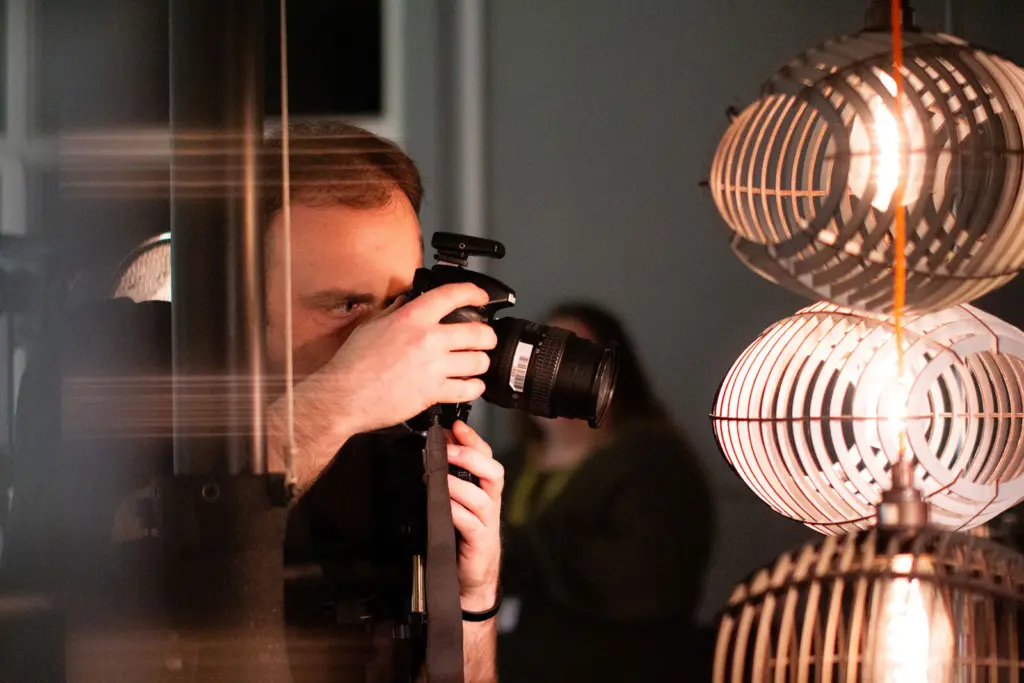
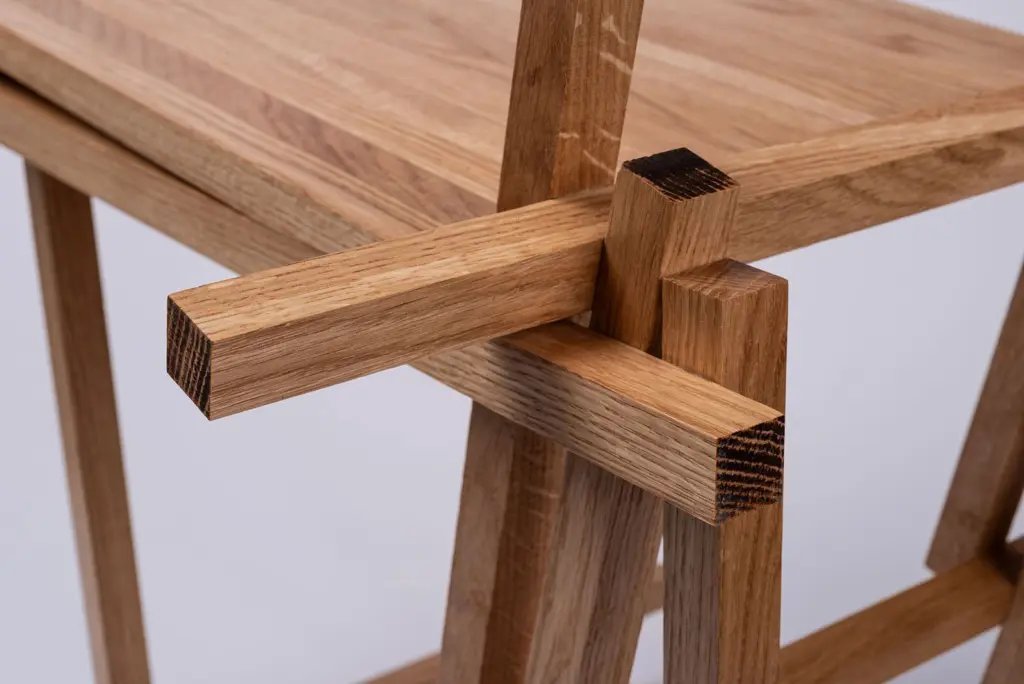
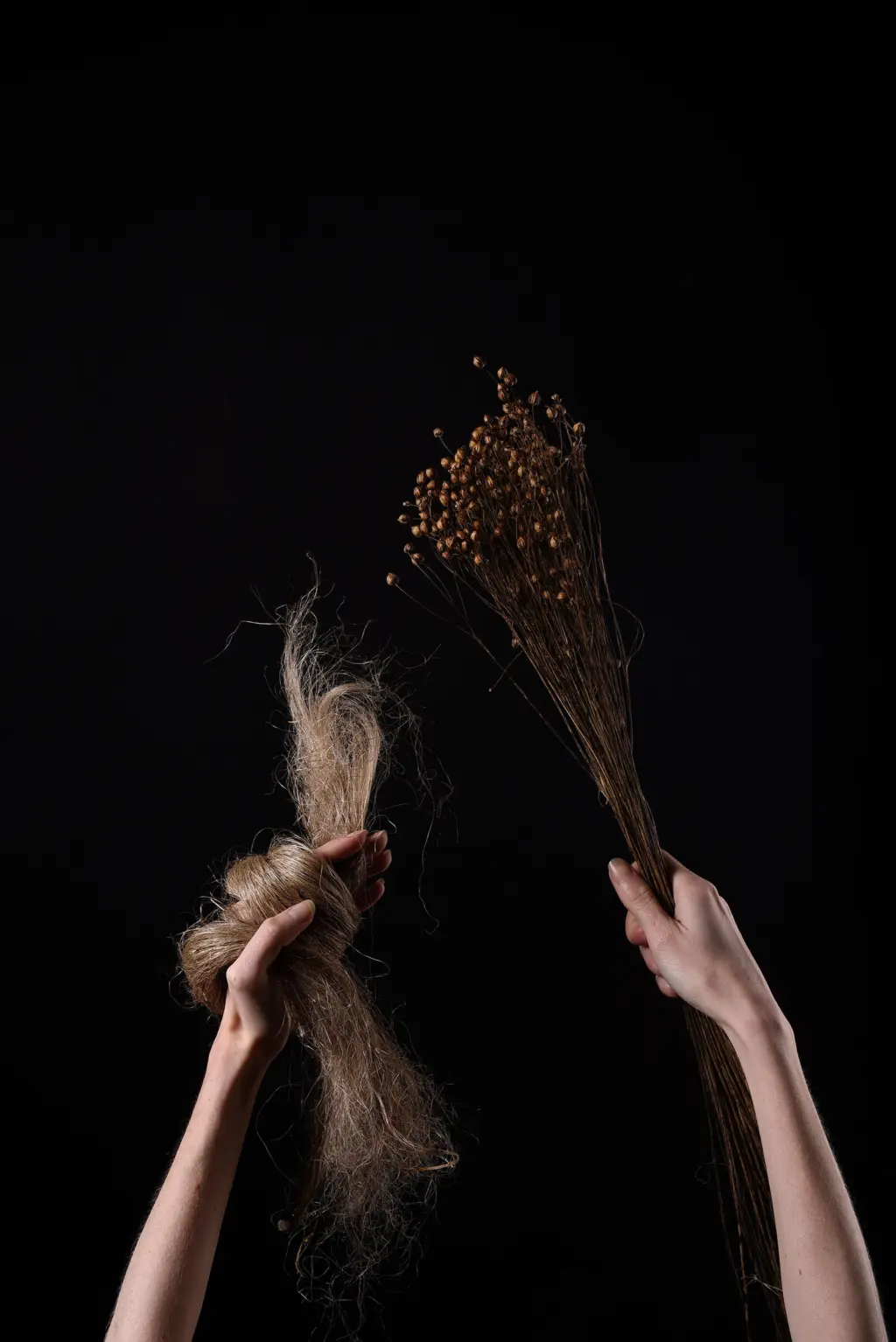
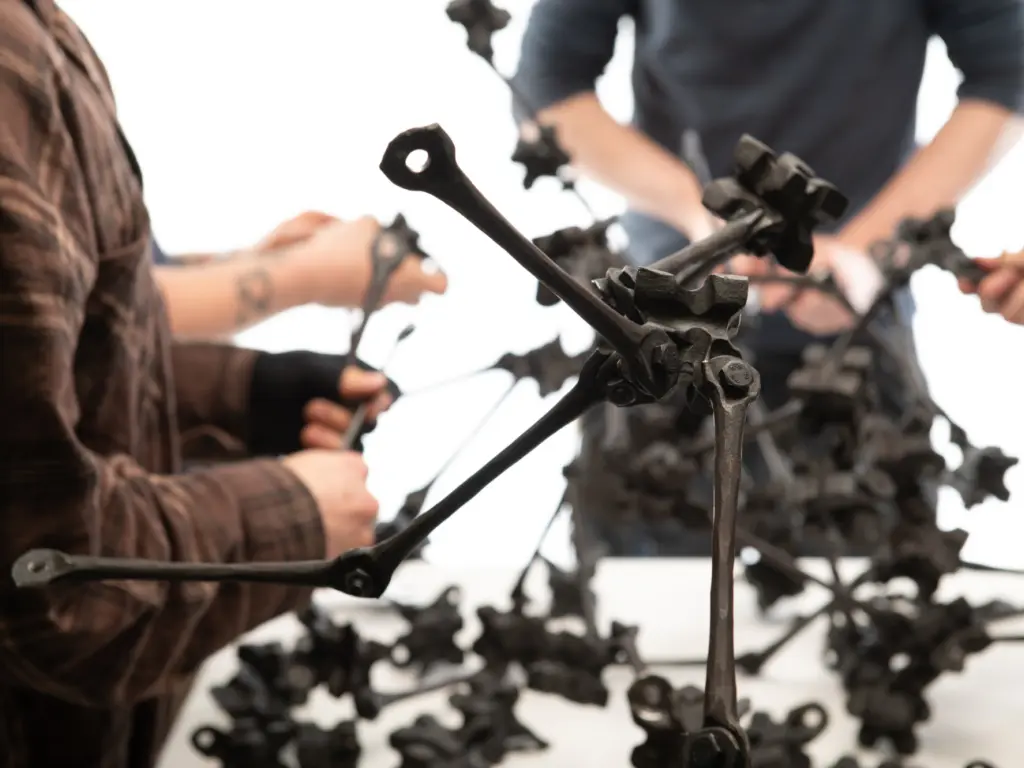
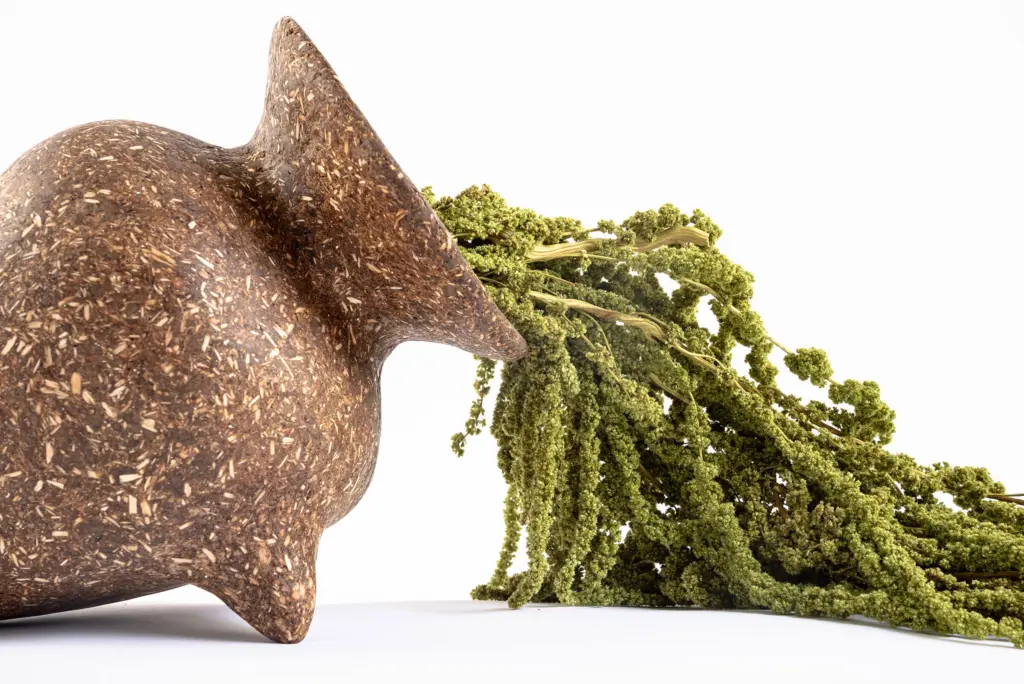
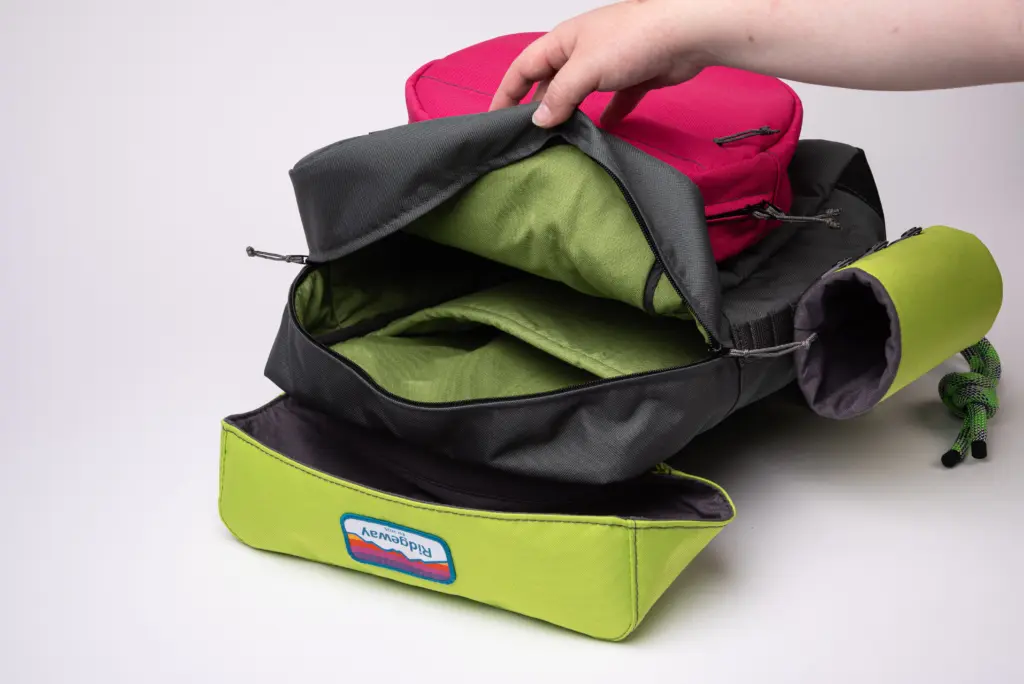
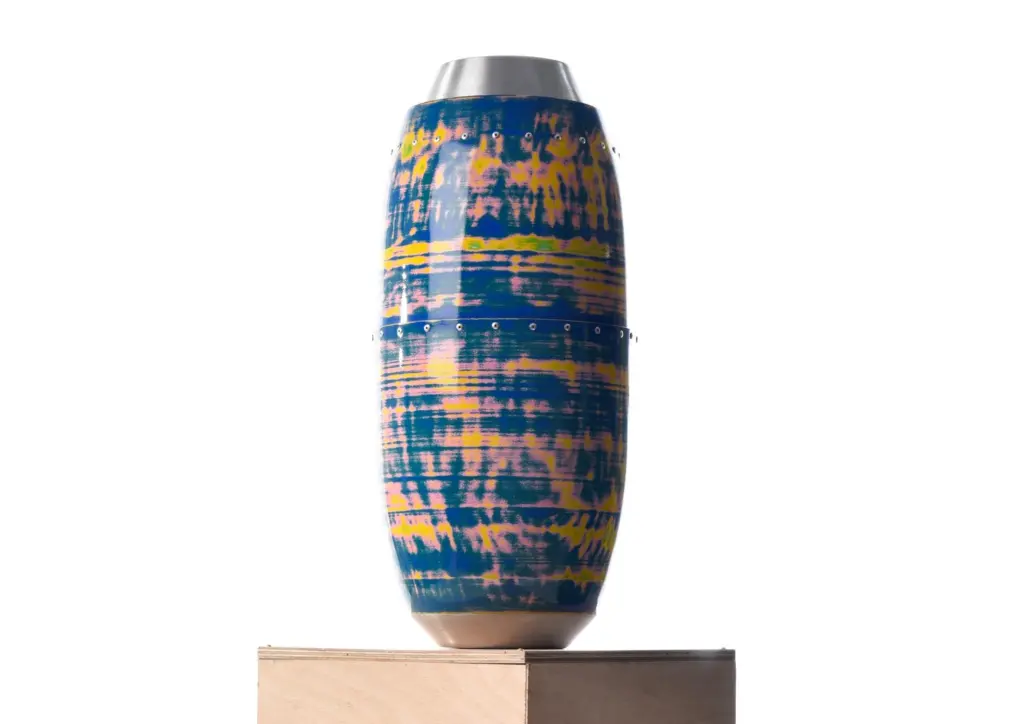
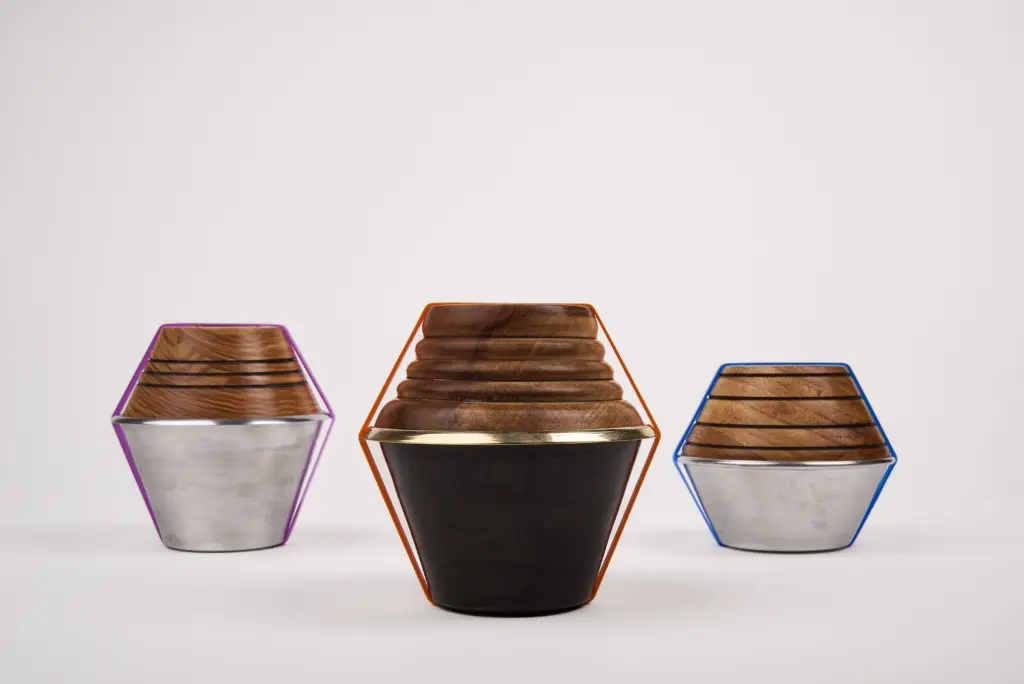
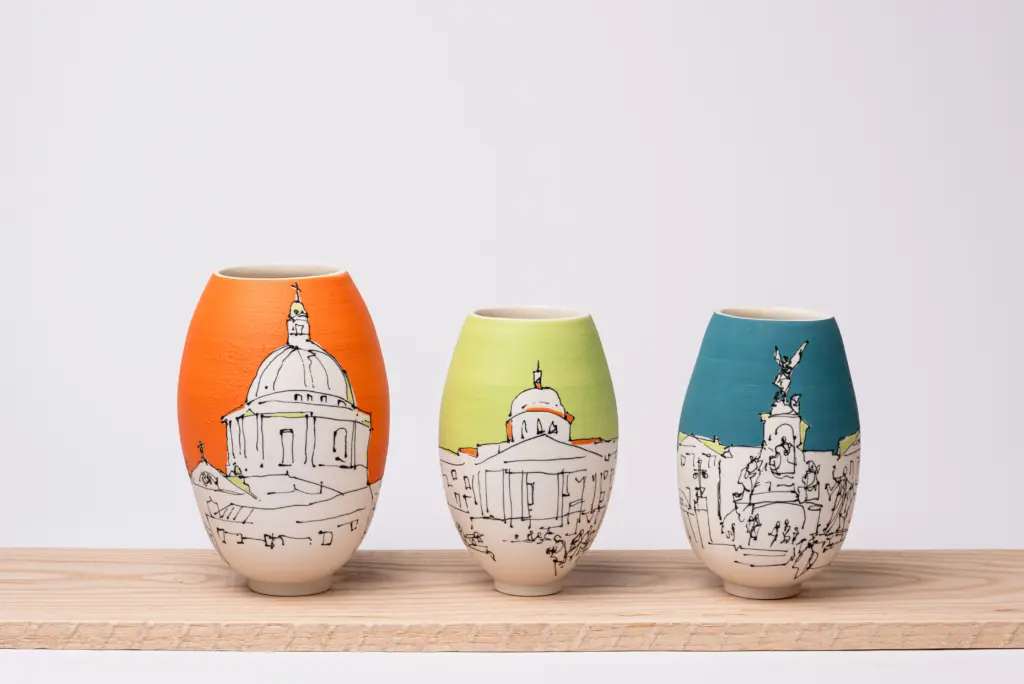
Shape your practice through three professional pathways
About the pathways
- Have access to all workshops
- Join shared lectures and seminars
- Take part in Studio Start together
- Exhibit at the Degree and graduate showcases together
- Follow the same course structure
- Attend HCA's Professional Practice Conference in Year 2 and Year 3
- Get specialist insight from visiting makers or designers most relevant to your practice in Years 2 and 3
- Focussed live briefs tailored to your pathway
Receive a degree certificate that lists your chosen pathway.
For example, this will appear on your degree as BA (Hons) Materials & Design: Artist Maker.
Three ways to develop your practice

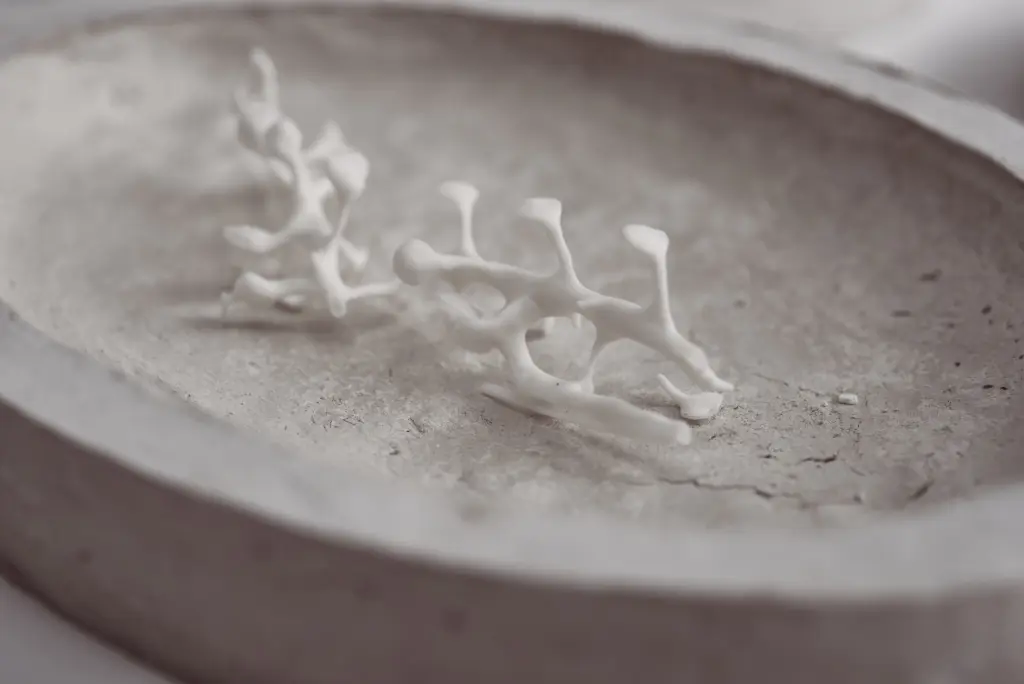
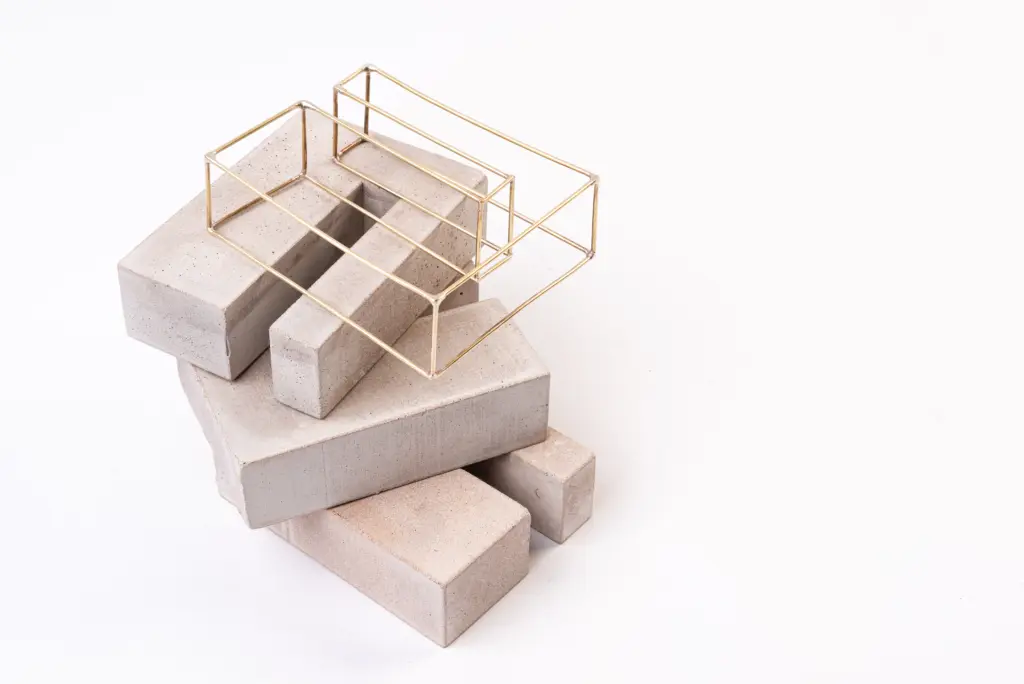
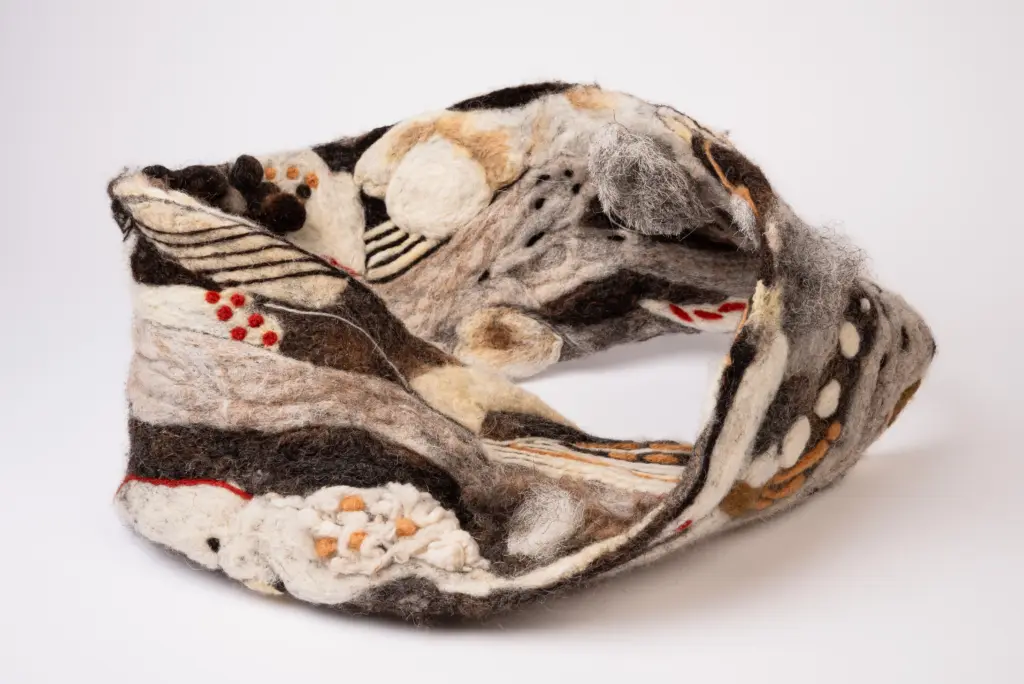
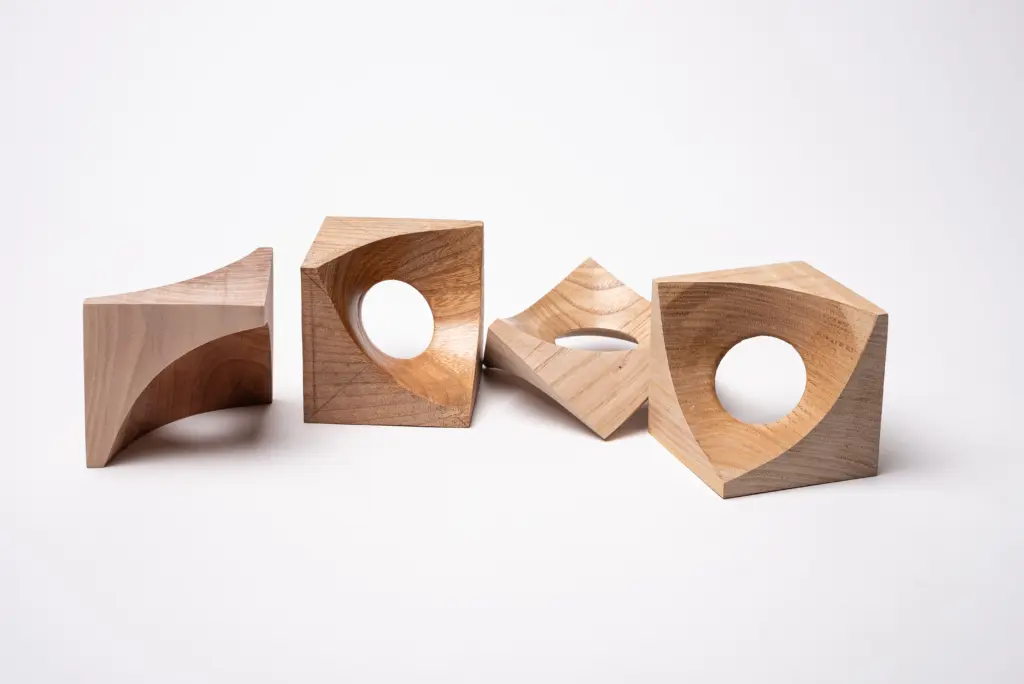
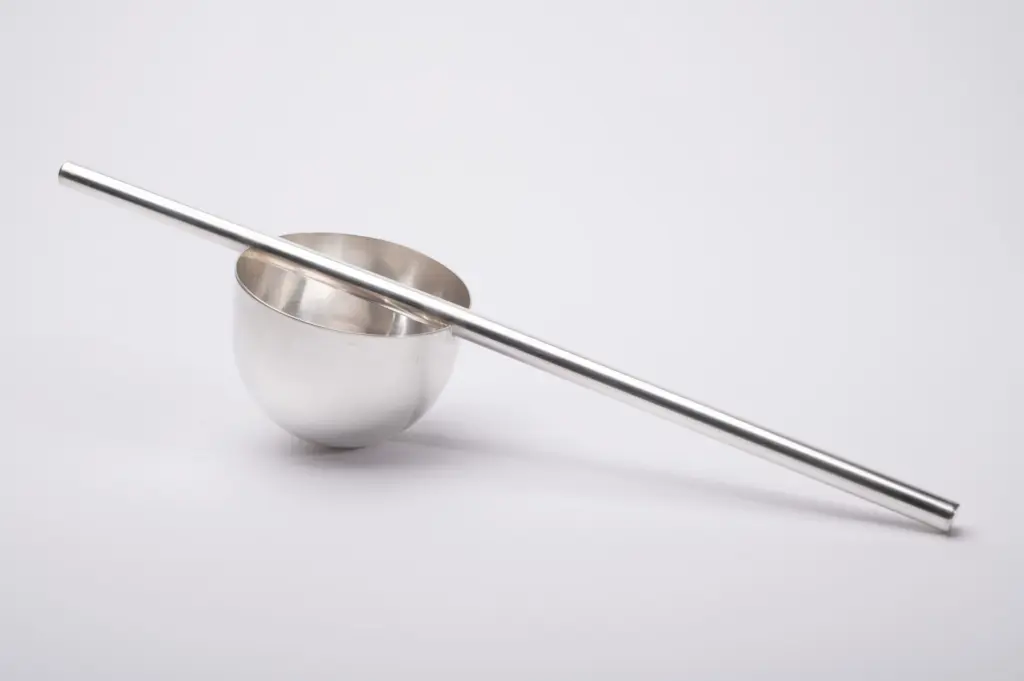
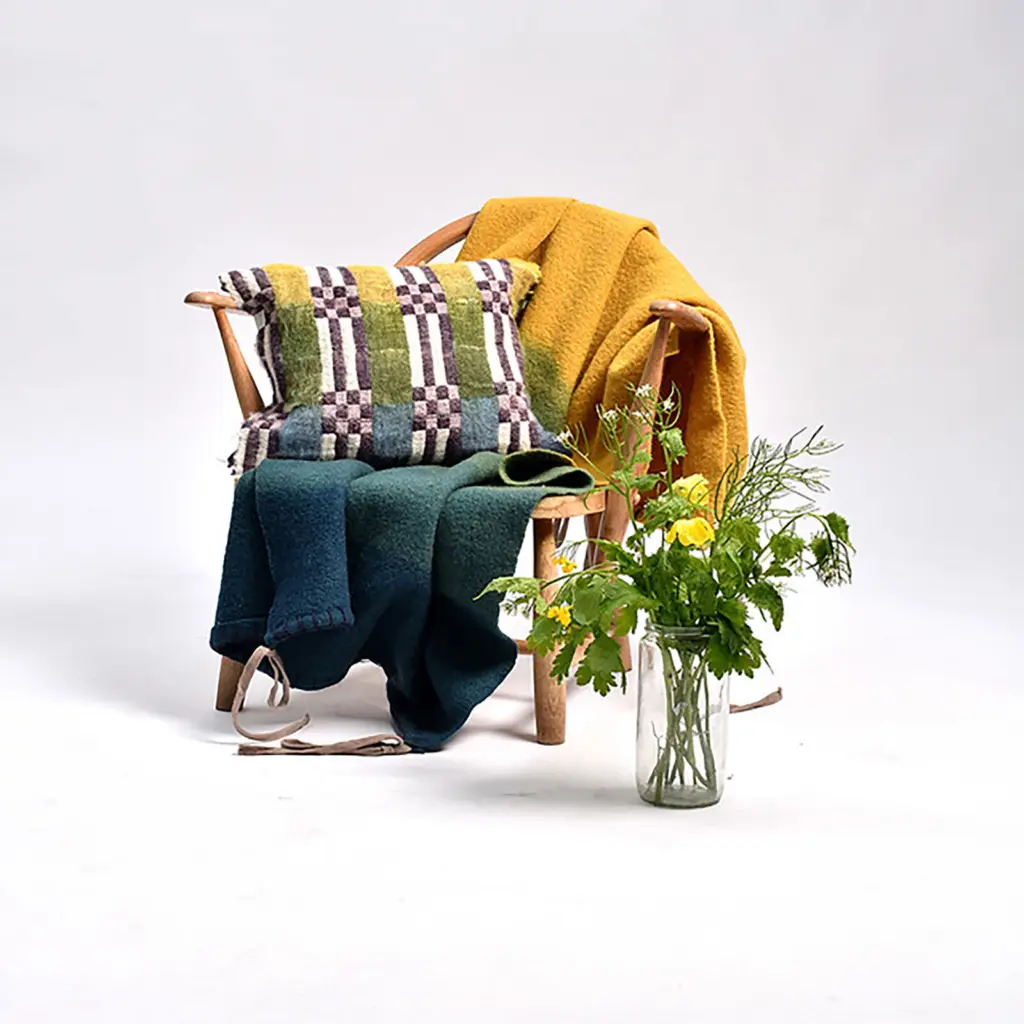
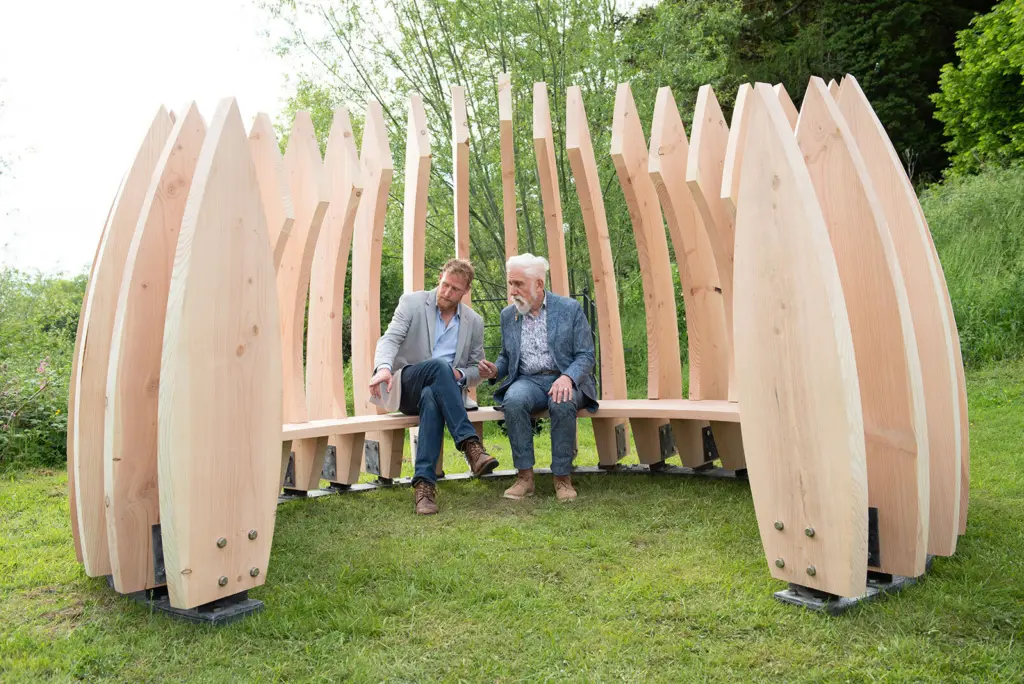
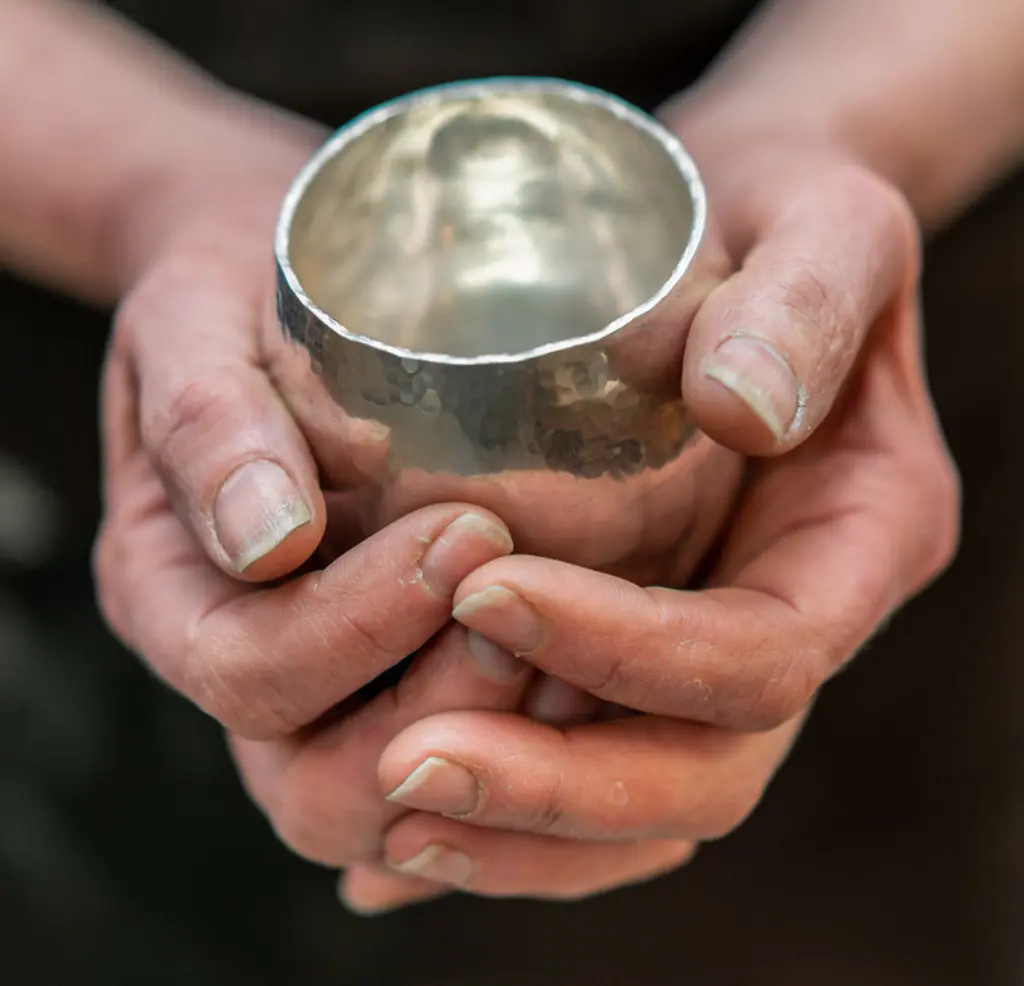
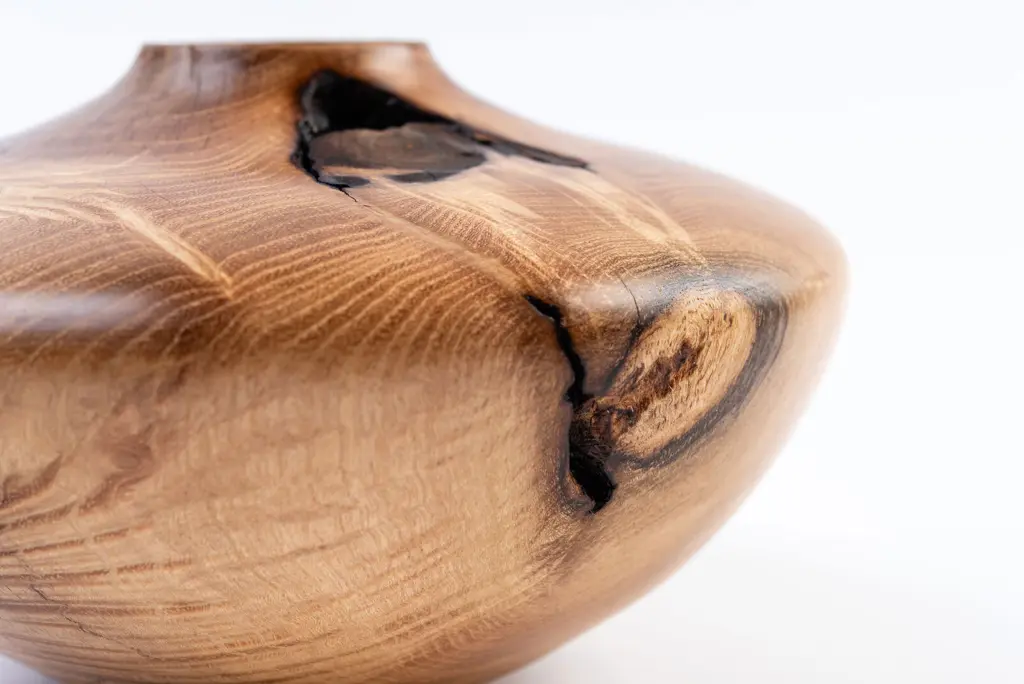
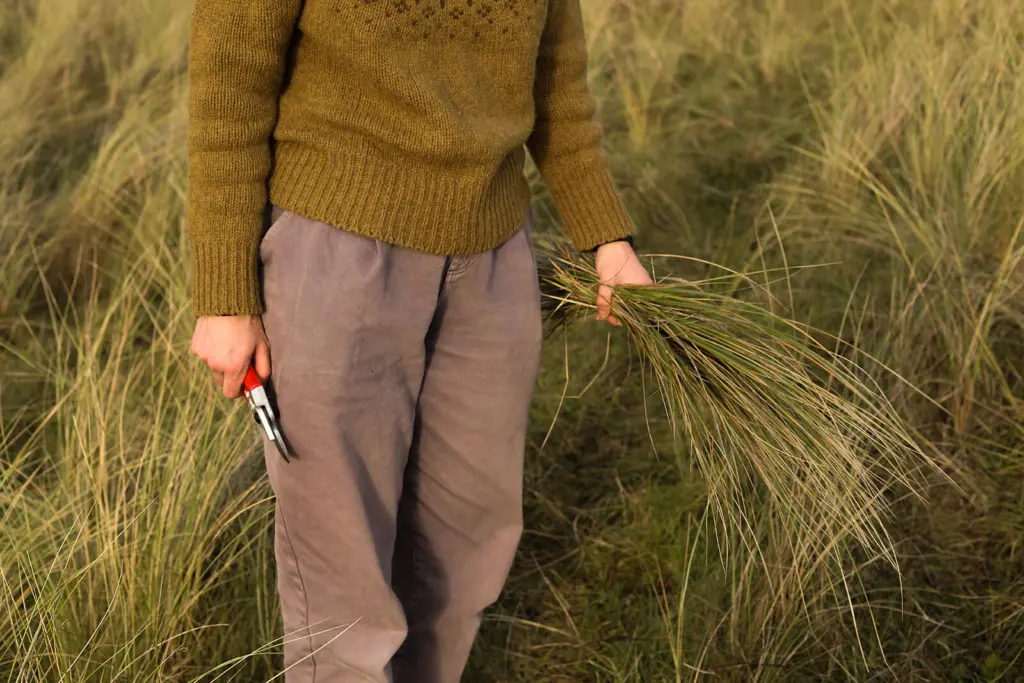
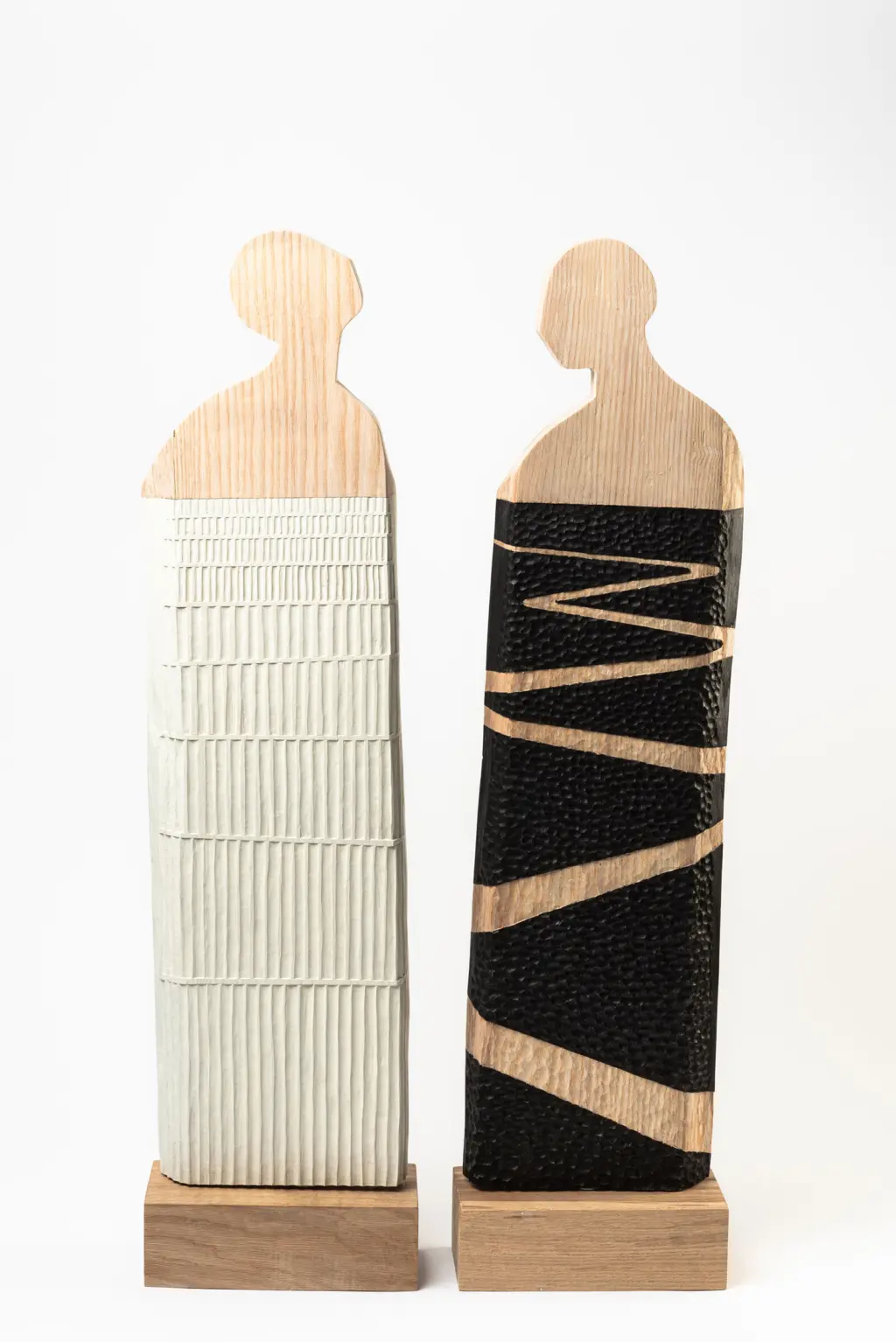
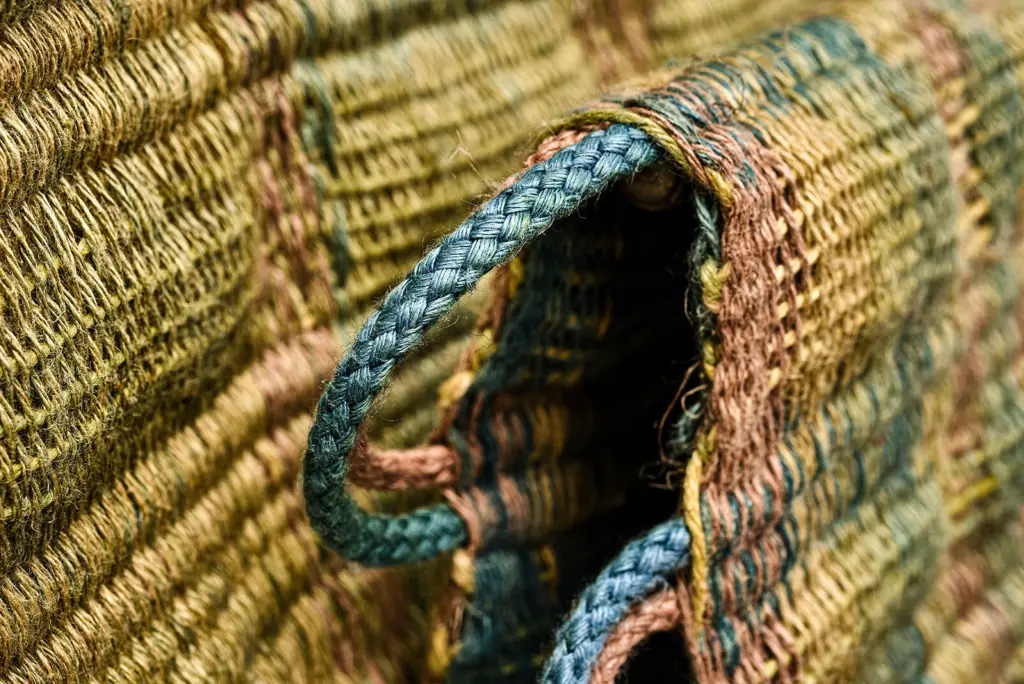
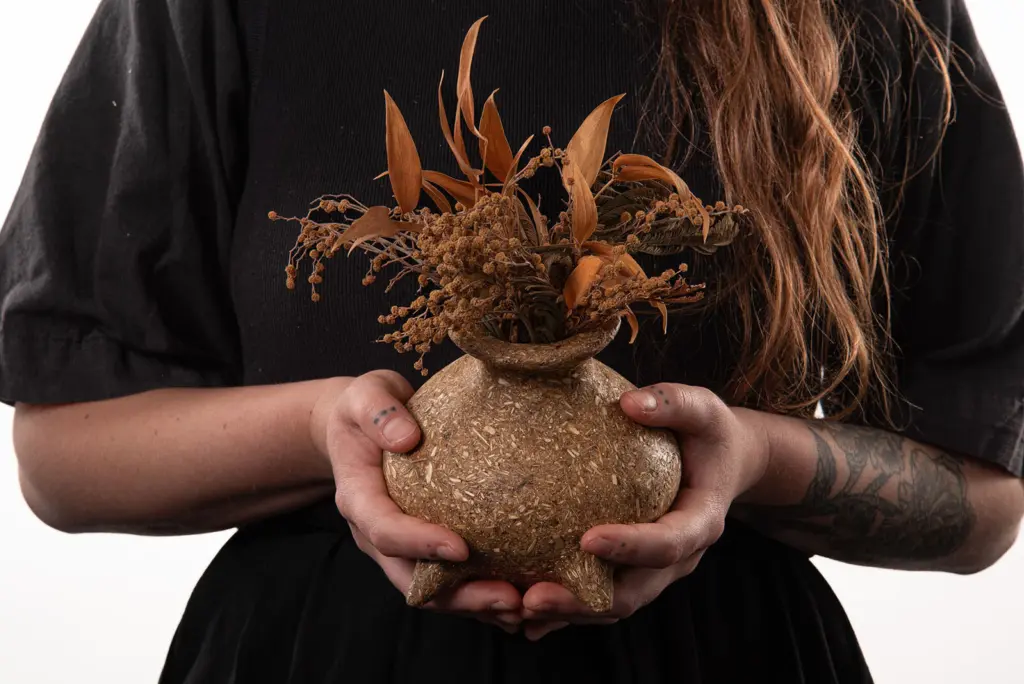
Hear from students within the School of Materials & Design
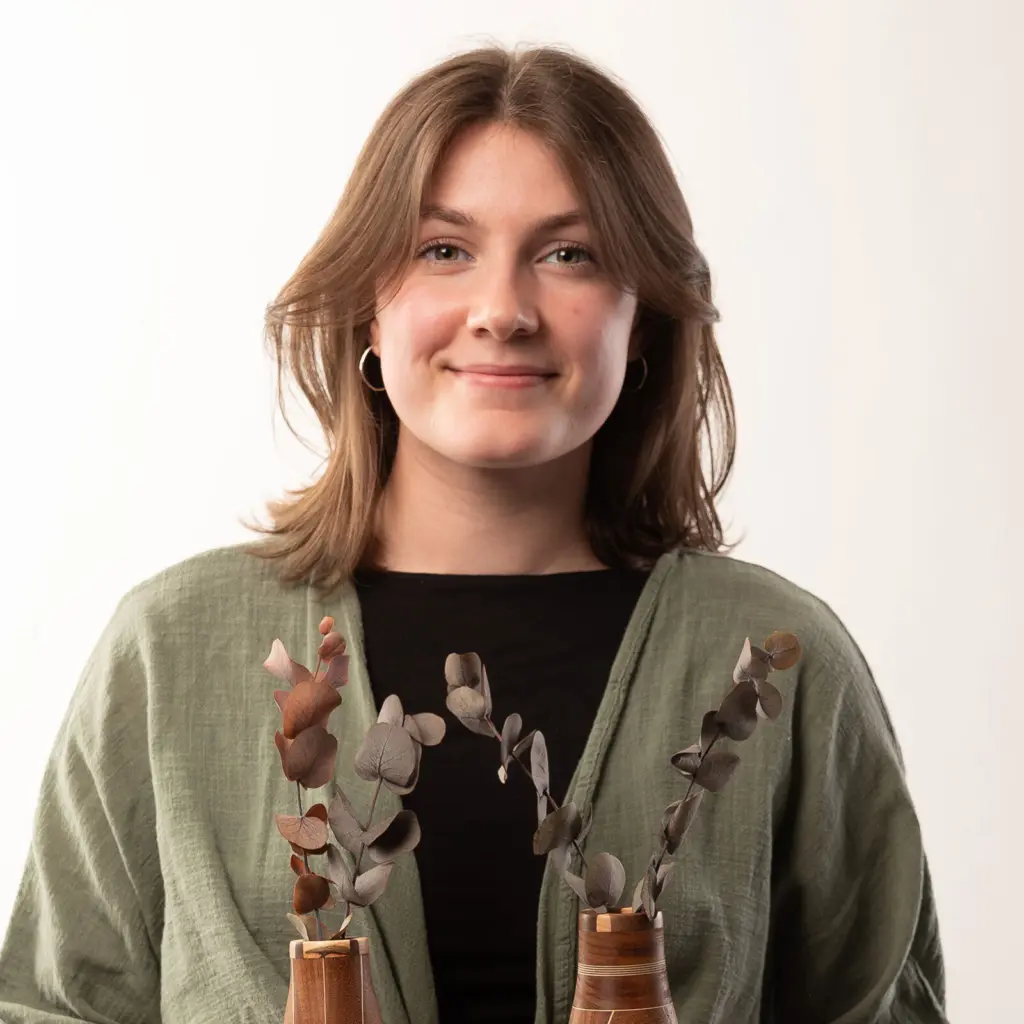
[My] course fundamentally changed my creative process, from iteration and sampling right through to a finished piece. I came away with real confidence and a much clearer sense of my own style, and it opened up opportunities that would have been out of reach before my degree, including mentorship connections that are continuing beyond it.
Hatti Brennan
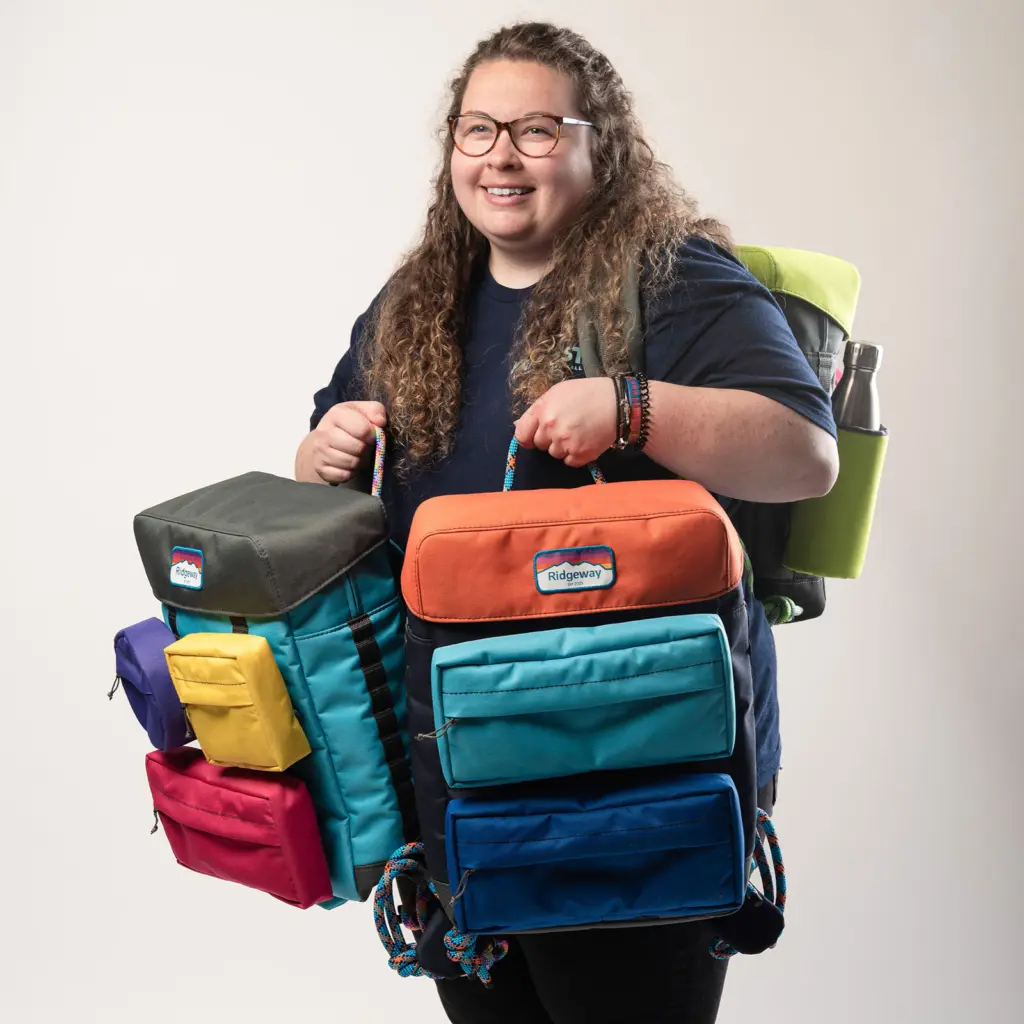
I loved my time on the course, developing skills through play, experimentation, and the amazing support of tutors and technical demonstrators. BA (Hons) Contemporary Design Crafts gave me the freedom to explore, discover my medium, and build the confidence and creative foundation that shaped me into the maker I am today.
Hannah Stewart
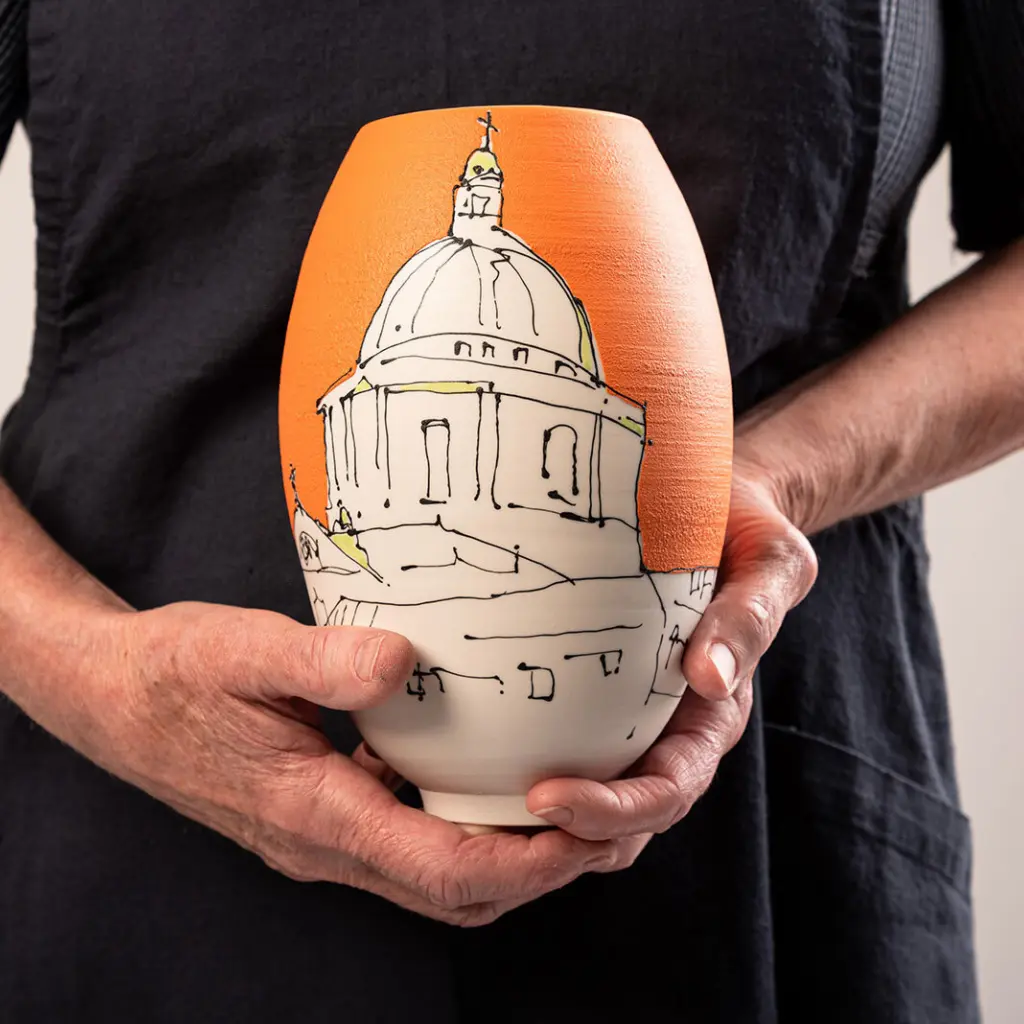
[My] course helped me reignite my creativity and develop my skills as a designer maker. The knowledge I gained from this experience has provided me with the confidence to go on and educate the next generation of young designers!
Charley Craske
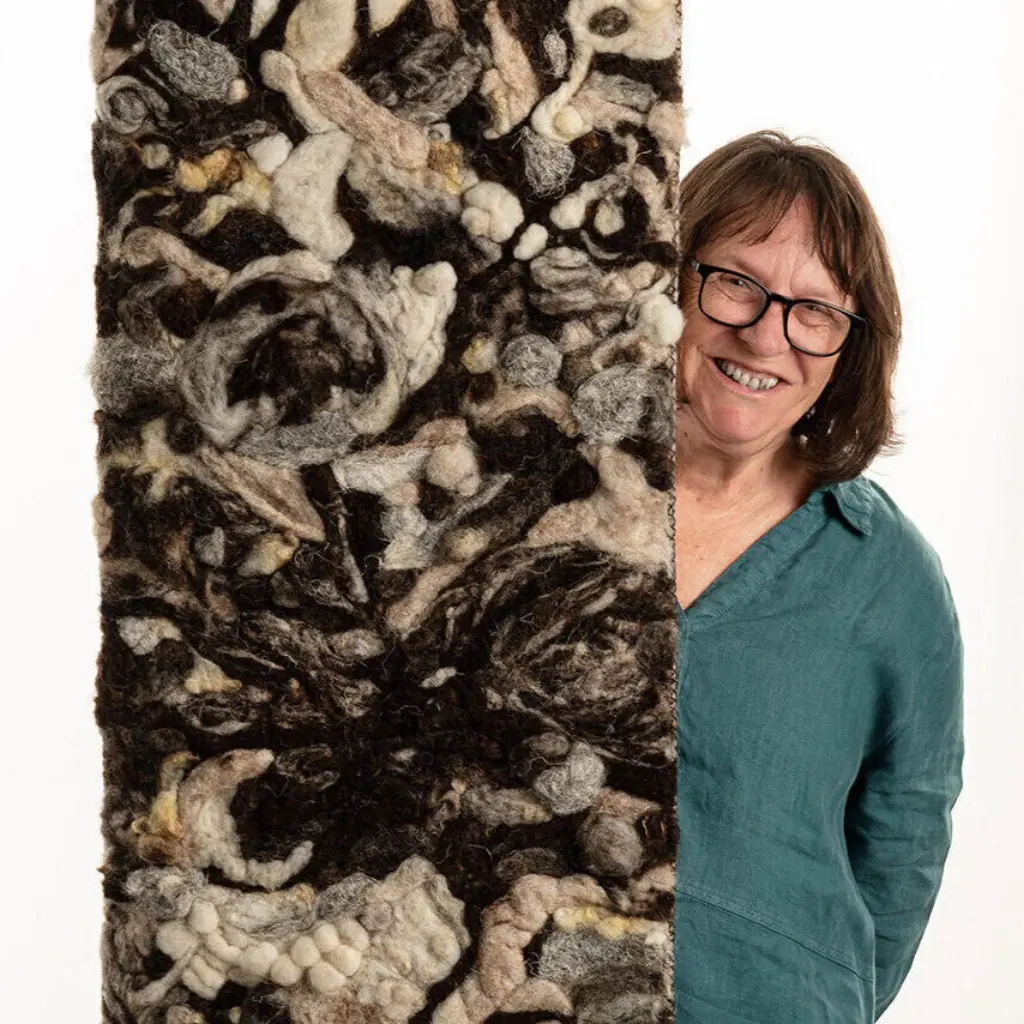
The tutors and technical specialists have a wealth of industry experience and knowledge to support and guide each student on their own creative pathway. The degree course has allowed me to develop my own unique style, methodically record ceramic sampling and gain the confidence to exhibit at galleries. Today, I still use technical information from past modules & create new workbooks to keep developing and moving forward in my professional practice.
Linda Pitcher
I loved my course. The tuition was brilliant, with a high staff: student ratio and professional support on tap whenever I needed it. To begin, I learned scores of new materials and skills after which I was encouraged to develop my own style, expertise and direction, with plenty of thinking about directions after the course. I found the mix of older and younger people very enriching. I'd recommend this course to everyone.
Mandy Roland Smith


A community you can make your own
100 %
Graduating students from the School of Materials & Design scored their course 100% on the question "Is it easy to access subject-specific resources (equipment, facilities, software etc) when you need it?" in the independent National Student Survey.
100 %
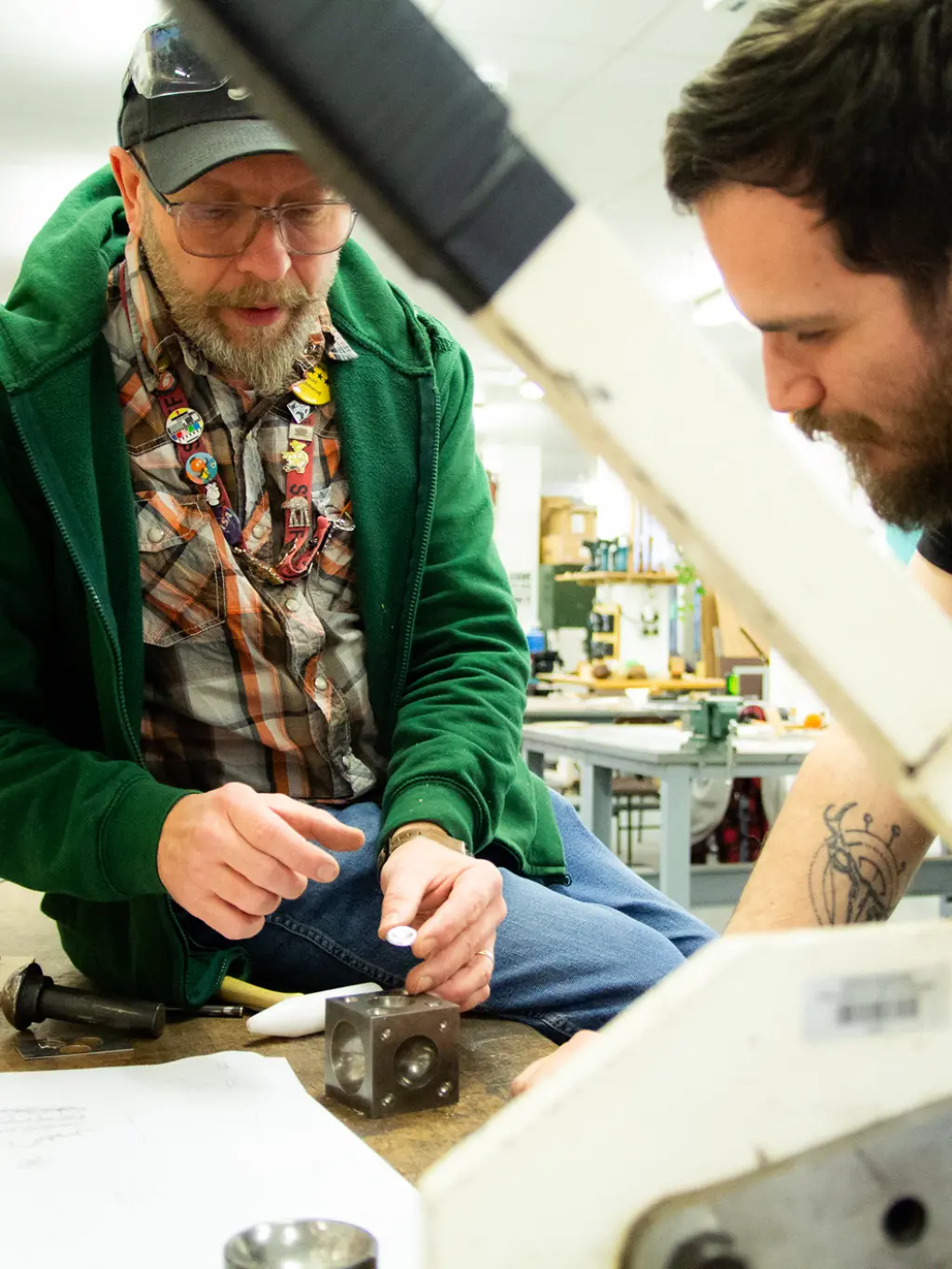
Teaching staff on this course scored 100% on the question "How often does feedback help you improve your work?" in the independent National Student Survey.
100 %
Teaching staff on this course scored 100% on the question "How easy was it to contact teaching staff when you needed to?" in the independent National Student Survey.
100 %
Teaching staff on this course scored 100% on the question "How often do teaching staff make the subject engaging?" in the independent National Student Survey.
How you will learn
Your learning will move between studio, workshop, digital spaces and the wider world.
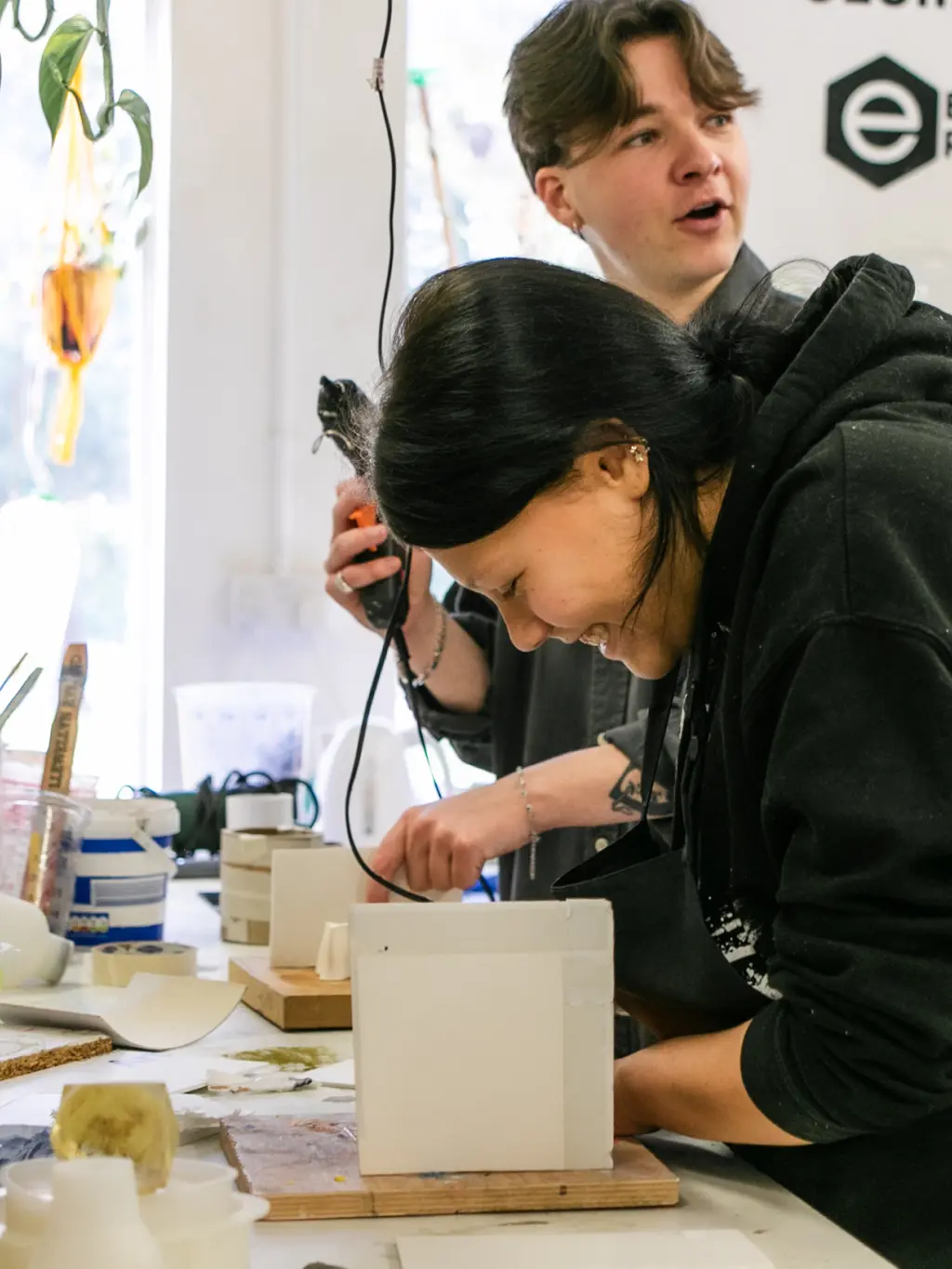
A typical project begins with research, observation, writing, drawing or research. You might then experiment with materials, test an idea in the workshop, develop a digital prototype, discuss your work with your peers and return to making with a new understanding of what you are trying to achieve.
This cycle of research, experimentation, making, reflection and refinement is central to the course.
You will learn through practical demonstrations, workshops, tutorials, group discussions, critiques, lectures, seminars, visiting practitioners and independent study.
Your sketchbooks and learning journals will help you record your creative process and reflect on how your ideas develop. Rather than simply documenting what you have done, you will learn to use reflection as a tool for making better decisions. This will equip you with a sustainable understanding of how you individually work through creative projects.
As you progress, you will become increasingly independent — moving from responding to structured projects towards defining your own questions, briefs and creative direction.
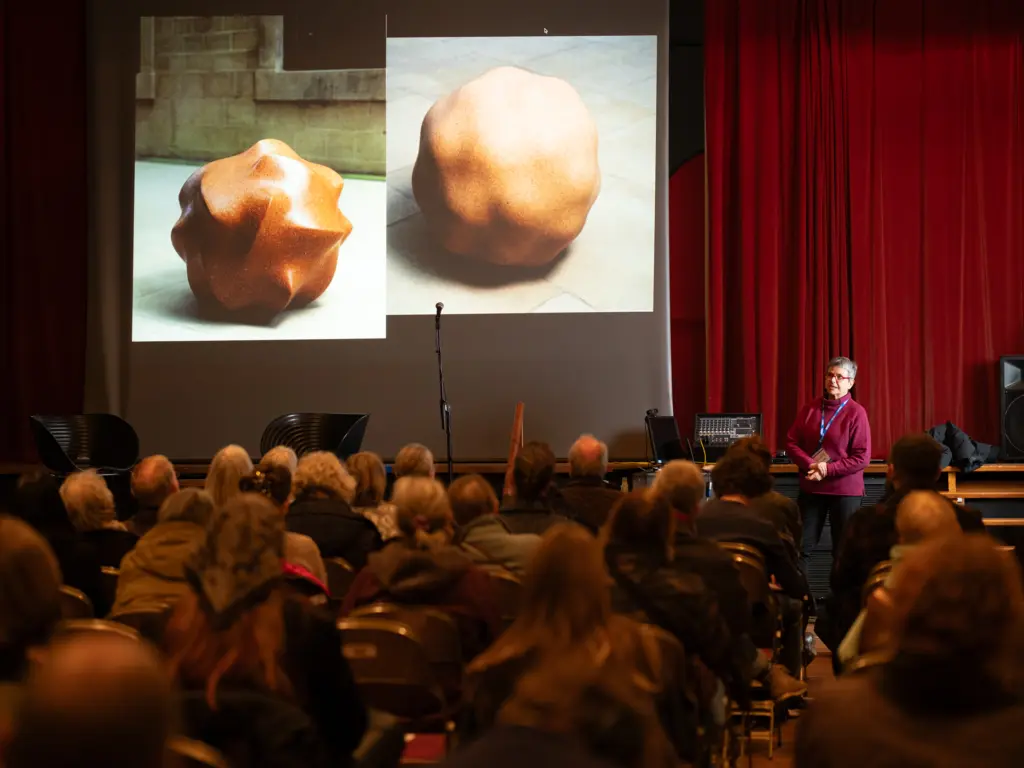
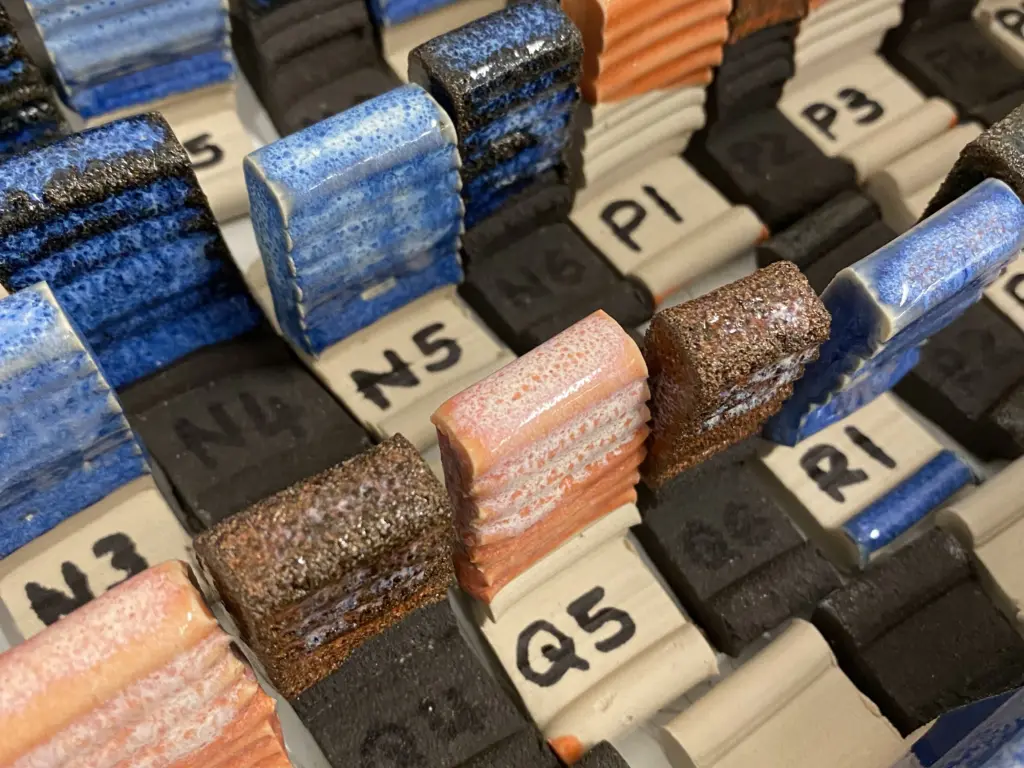
Feedback is an integral part of your development throughout the course. You will receive regular feedback from staff, peers and yourself through one-to-one tutorials, group critiques and informal conversations in the studio and workshops. Our creative community is built around supporting one another, challenging ideas and helping each other grow.
Each module has two formal assessment points. A formative assessment takes place approximately halfway through, giving you an opportunity to understand your progress and identify areas for development. A summative assessment at the end of the module provides your final grade. At both points, you will receive verbal and written feedback to help you reflect, respond and move your practice forward.
We believe that creative education works best when you are supported as an individual.
You will have a dedicated studio base where you can develop ideas, work alongside your peers and become part of a vibrant studio community. Small-scale teaching means you will have regular access to tutors and technical staff who can support both your creative development and your practical skills.
You will be encouraged to develop confidence in your own ideas, take creative risks and learn through experimentation. The course provides a supportive environment in which you can test possibilities, learn from things that don't work and develop resilience as a creative practitioner.
Think with your hands. Question with your head.
A strong creative practice needs both practical knowledge and critical awareness.
Throughout the course, you will explore the cultural, historical, social and environmental contexts surrounding materials, design and making.
You will consider questions of sustainability, consumption, technology, heritage, production, identity and responsibility, developing the ability to understand how your creative decisions connect to wider issues.
Lectures, seminars, tutorials and studio conversations will help you develop skills in research, analysis, evaluation and communication.
You will be encouraged to articulate your ideas clearly and develop your own critical position.
By graduation, you will not simply be able to demonstrate what you can make. You will be able to explain why you make, what you value and where you want your practice to go with clarity and confidence.
Recent student extended essays
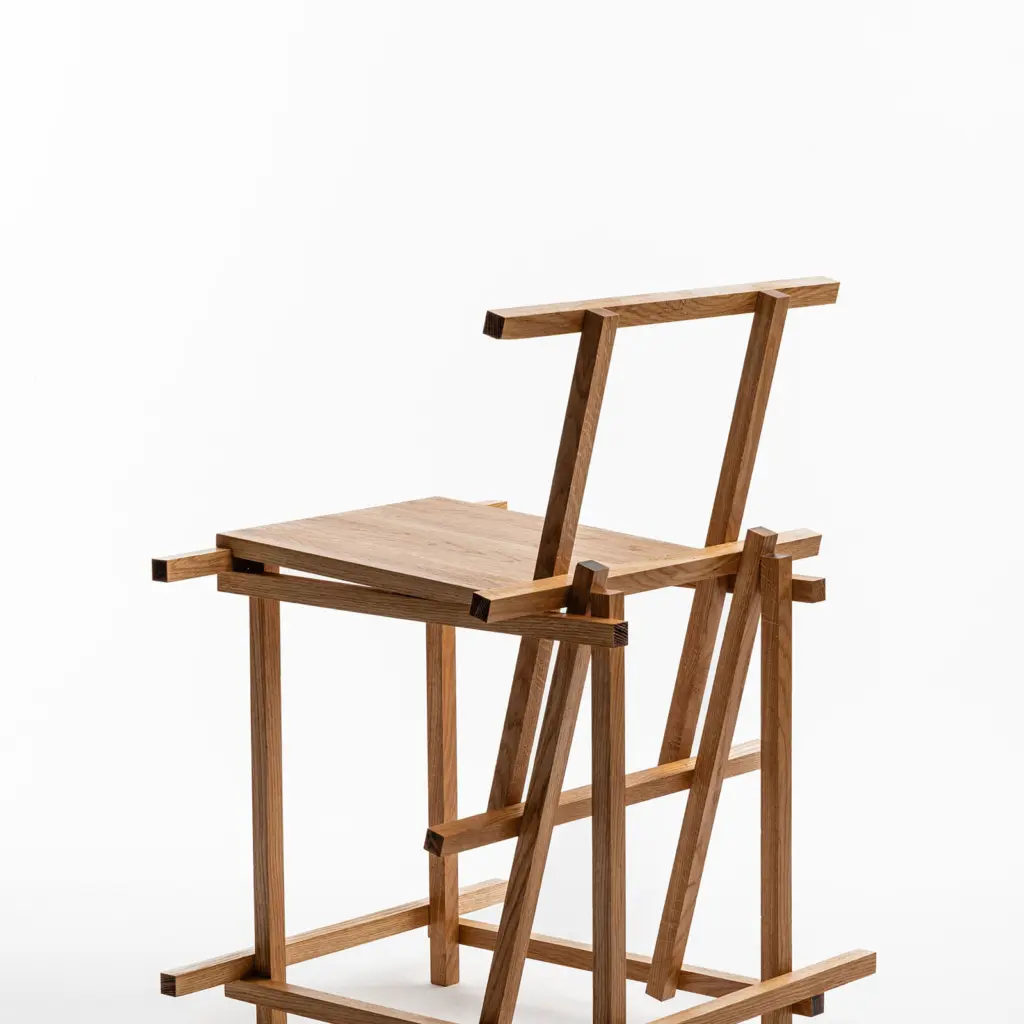
Alfred Robert Gates Newman / Analysing Chairs Via The Triangle Of Efficient Design
Can perfect design exist? This video introduces the Triangle of Efficient Design, a framework that evaluates objects through three dimensions: material efficiency, process efficiency, and form efficiency. Using three iconic chairs as case studies, the discussion explores how different designs achieve efficiency in different ways. The Windsor Chair demonstrates material efficiency, Enzo Mari’s Sedia 1 highlights process efficiency, and Donald Judd’s Early Chair exemplifies form efficiency. Drawing on ideas from leading design theorists, the video examines the relationship between function, aesthetics, sustainability, and craftsmanship. It concludes that great design is not about perfection, but about balancing competing priorities effectively.
Read more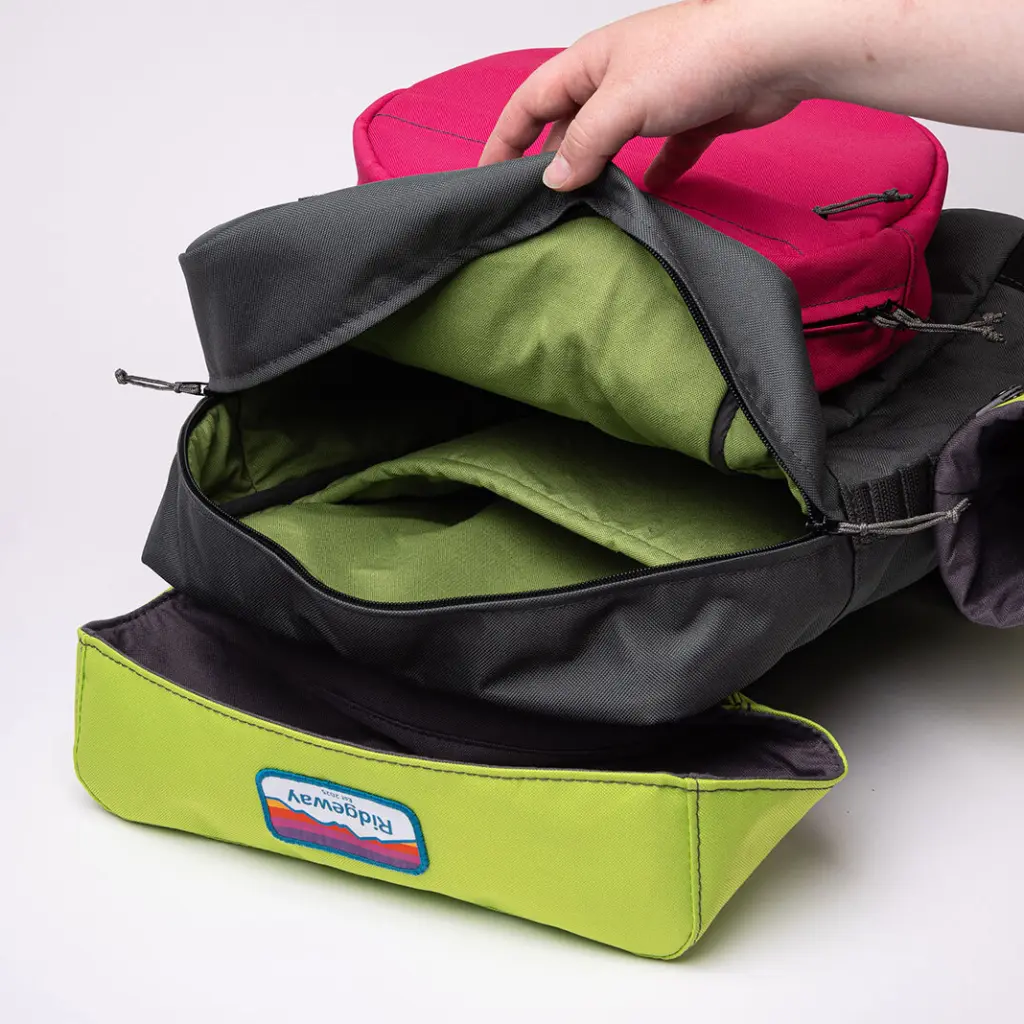
Charley Craske / Objects & Things An Exploration of Bags through Thing Theory and Luxury Practice
What makes a bag more than just an object? This video explores bags through the lens of Thing Theory, examining how everyday objects become meaningful “things” through use, memory, and human connection. Using examples from the V&A’s Bags: Inside Out exhibition, the discussion analyses three iconic bags: the Hermès Birkin, Anya Hindmarch’s I’m NOT a Plastic Bag, and Tracey Emin’s International Woman suitcase. Through themes of luxury, caretaker practices, and function, the video investigates how bags act as vessels for identity, stories, and personal experience. Ultimately, it argues that a bag becomes a “thing” through its nearness, use, and emotional significance.
Read more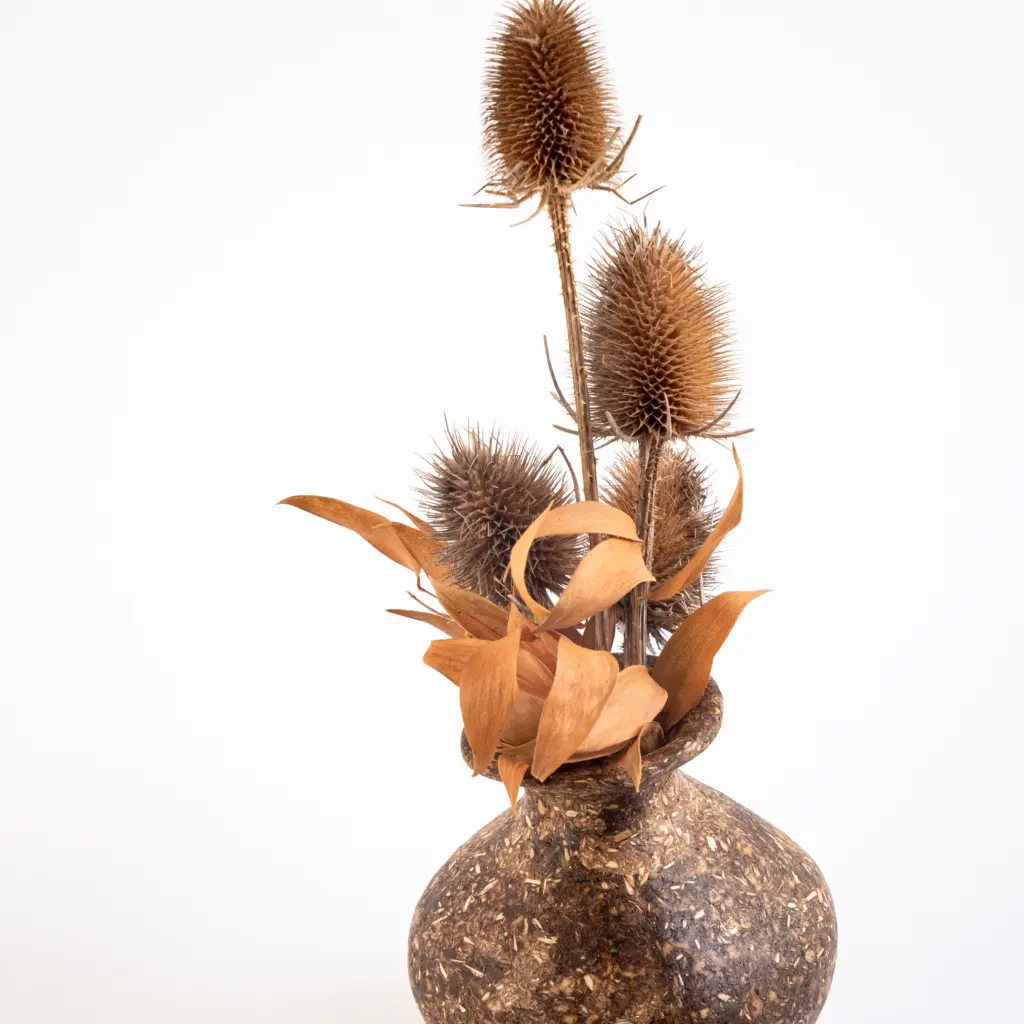
Sophie Ferrier / An evaluation of artistic sensory engagement strategies used to mitigate the communication gap between scientific ecological research and general audiences
How can art help people understand complex environmental science? This video explores how artists use sensory engagement to bridge the communication gap between ecological research and public understanding. Focusing on the overlooked world of soil, it examines two innovative case studies: Laura Parker's Taste of a Place and Karine Bonneval's Listen to the Soil. Through smell, taste, sound, and participation, these works transform scientific data into meaningful experiences that foster awareness, curiosity, and connection. The video argues that art can make ecological knowledge more accessible, helping audiences engage with environmental issues in profound and memorable ways.
Read more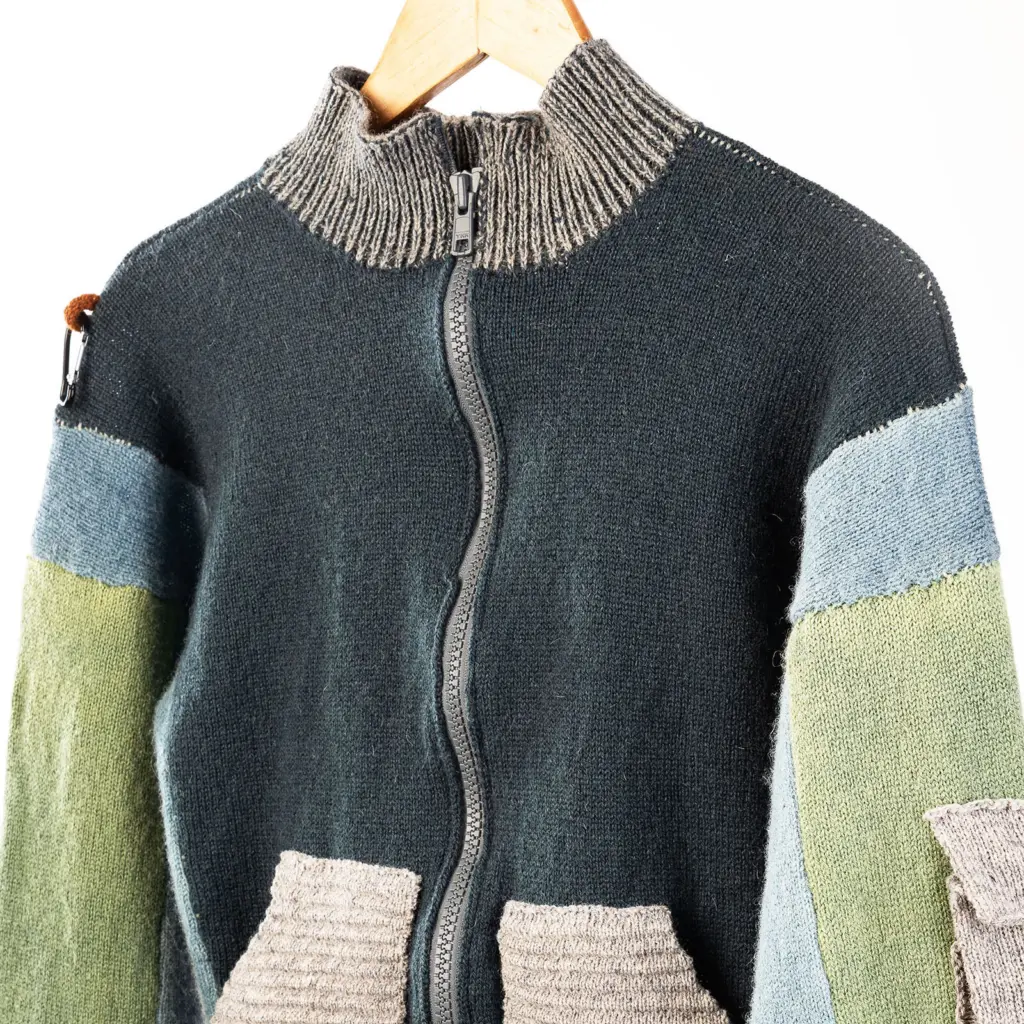
Abbie Gerrard / Digital Textile Revolution: Discussions on the usefulness and ethical implications of a digitalised fashion and textile industry
How is the digital revolution transforming fashion and textiles? This video explores the opportunities and ethical challenges created by digital technologies across the industry, from online retail and AI-driven design to smart textiles and virtual fashion. Drawing on themes of consumerism, sustainability, craftsmanship, and innovation, it examines how technologies such as AR, VR, AI, blockchain, and digital sampling are reshaping the way products are designed, manufactured, marketed, and consumed. While digital tools can reduce waste and unlock creative possibilities, they also raise concerns about overconsumption, environmental impact, and the loss of material knowledge. Ultimately, the video asks whether digital progress is helping or hindering the future of fashion.
Read more
Edie Ali / Exploring the use of stitch in self-improvement: How stitch can alter the perception of self
How can stitch transform the way we see ourselves? This video explores the powerful relationship between stitching, self-expression, wellbeing, and personal growth. Drawing on research, historical examples, and lived experience, it examines how embroidery, mending, and textile practices can support identity formation, emotional processing, community connection, and mindfulness. From punk battle jackets and suffragette embroidery to contemporary projects such as Celia Pym's mending work and Ai Weiwei-related rehabilitation projects, stitch emerges as more than a craft. It becomes a tool for communication, healing, and transformation. Ultimately, the video argues that stitch can help individuals build confidence, process experiences, and develop a deeper understanding of self.
Read more[My] course and staff really supported and guided me into the deepest parts of my creativity, pulling apart theories and methodologies that fine tuned a practice I couldn’t identify nor had a language for before. I feel confident and grounded in who I am since completing the degree and have a sense of agency in research, presenting and the material practice.
Sophie Ferrier
As part of the Materials & Design degree programme you will:
1 / Learn multiple material disciplines
You are not asked to choose a specialism on Day One or in Year One or ever.
You will be able explore and access all the workshops throughout your time at HCA and develop a practice that is individual to you - whether you want to master a distinct craft, or explore a more interdisciplinary practice.
2/ Discover community
You will develop a strong peer network with highly-motivated students in the programme and in the arts college as a whole.
This is a dynamic atmosphere, with the opportunity to exchange ideas and collaborate across disciplines. HCA is located in a region known for outstanding making, and you will be working in a heartland of independent craftspeople.
3 / Connect with the design world
Connect with the wider world through visiting lectures and master classes, featuring nationally and globally known designers and artists.
You will have the opportunity to visit major design collections and events, both in the UK and abroad.
4 / Design the life you want to lead
On this course you will master design and creative process, develop your own voice and practice, learn to articulate your work through theoretical conversation.
You will build up a portfolio that will stand out by exhibiting your work, and developing networks with galleries and makers.
5 / Make an impact
Find your own path and learn to make a difference through making.
The impact you have through your work may be personal - shaping your own life - or tied to something bigger. Making can be a vehicle to explore and communicate social issues, from sustainability to representation, identity and accessibility.
Workshops & Resources

Individual studio space
You will have your own individual workspace, which supports both your professional growth and a sense of community. This setup encourages conversation and collaboration, enriching your overall learning experience throughout the course.
Book an Open Day
Digital Design
Digital Design and Making is embedded into both curriculum and your practice. Offering the ability to test possibilities, accelerate iterations and resolve outcomes efficiently. The use of digital tools allows makers to visualise, prototype and refine project work across a range of materials and processes in additive and subtractive manufacturing.
Book an Open Day
Queens 3D Workshop
In the Queens workshop, you can explore and experiment with various materials and processes in a well-equipped space. The facilities include small metals, wood, cold casting, 3D printing, and MDF/Plywood laser cutting, as well as welders and jewellers' benches. Techniques you can learn include woodturning, steam bending, resin and Jesmonite casting, various welding processes, 3D printing, vinyl, and veneering. Skilled Technical Demonstrators support your learning, ensuring a comprehensive experience.
Book an Open Day
Zones in the Queens 3D workshop
The Queens workshop is divided into four zones: Metals (jewellery, silversmithing, machining, welding, fabrication), Woodwork (steam bending, lamination, woodturning), Cold Casting (silicone mold making, jesmonite, resin), and Digital Fabrication (scanning, laser cutting, 3D printing).
Book an Open Day
Small Metals
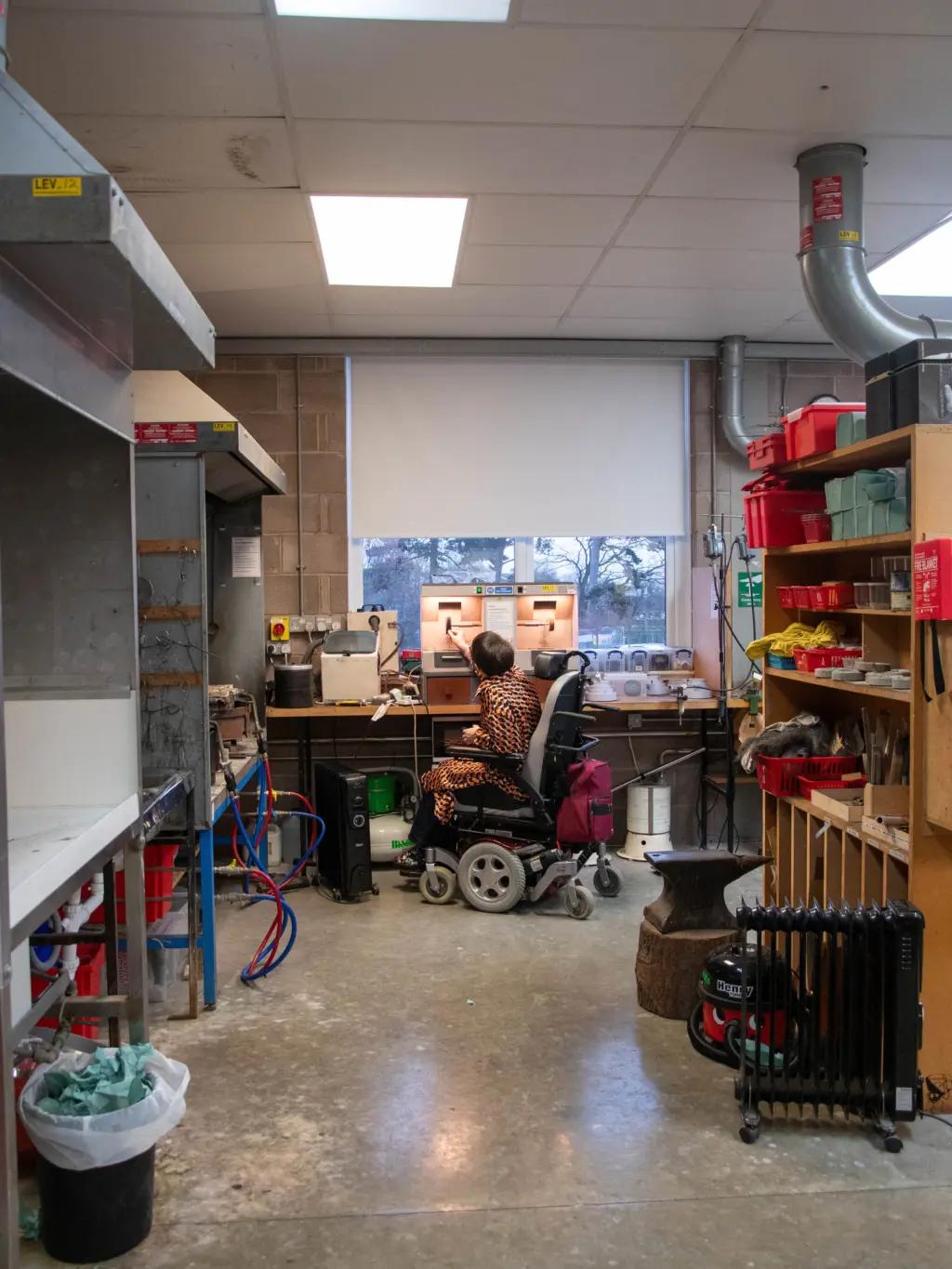
The Small Metals workshop has fully equipped communal and individual workspaces to practice your bench skills. The workshop is equipped for a variety of specialist processes and has two larger silversmithing hearths. The walls are adorned with process samples for inspiration, and the space is overseen by highly skilled Technical Demonstrators.
Book an Open Day
Textiles
Our textiles workshops provide an open and accessible space to explore print, dye, weave, knit, and mixed media surface design techniques. Focusing on sustainability and innovation, you’ll combine methods from across various disciplines, pushing your creative boundaries throughout your degree. The technical support, along with academic and industry guidance, encourages you to develop an original, innovative design practice.
Book an Open Day
Ceramics & Glass
The Ceramics and Glass workshop offers an opportunity to explore the tactile nature of clay and the artistry of glass cutting, fusing and slumping. You can develop skills in slab building, slip casting, and throwing, either for conceptual art or commercial projects. Technical demonstrators are available to guide you through all processes.
Book an Open Day
Plaster and slip casting space
The plaster and slip casting space facilitates the creation of plaster forms, mould making, and slip casting using earthenware and porcelain for small-scale batch production. Technical demonstrators are available to guide you through each process, ensuring you develop the necessary skills to achieve successful ceramic projects with precision and creativity.
Read more
Glazing & Firing
The glaze room lets you explore glaze alchemy, from mixing recipes to applying them with dipping and spraying. With 10 kilns, including a glass kiln for fusing and slumping, achieve stunning results in your ceramic and glass projects.
Book an Open Day
The printmaking workshop offers you a huge range of print possibilities, including lino cutting, woodblock, letterpress, dry point, collagraph, etching, lithography, and screen printing. Use our 180-year-old Albion press and vintage wooden and metal type collection.
Book an Open Day
Library
A dedicated art and design library carefully curated by knowledgeable librarians who will support you to access the materials in the collection. Includes books and magazines from a comprehensive selection of creative disciplines, critical & cultural theory and specialist journals. Plus, study spaces and IT provision. A college hub and key workshop area.
Book an Open Day
Digital Skills Centre
Opened in 2024 our Digital Skills Centre is an alternative space to the Graphic and Media Design Studios to craft your designs. Kitted out with new Macs and PCs, the area is staffed by Digital Demonstrators who also run weekly intro and How To classes on design software.
Book an Open Day
Photography
Our photography studios and darkroom facilities offer extensive opportunities to gain hands-on experience with both digital and traditional techniques. You will acquire invaluable skills ensuring you take superb photos of your creative process and final outcomes. Work alongside professional photographers and technical specialists to get outstanding images of your work.
Book an Open DayWhat you will learn
Explore
Your first year is about curiosity, experimentation and discovery.
You will be introduced to the breadth of Materials & Design through practical projects across different materials and processes.
You will develop foundational making skills alongside drawing, design development, research and critical thinking.
Projects will encourage you to experiment, play with possibilities and learn through doing. You will begin to understand your own interests and strengths while developing the confidence to try things that may not work first time.
Learning journals and sketchbooks will help you reflect on your process and begin to understand how your ideas develop through making.
Choose your direction
In Year Two, you will begin to establish your individual direction and choose one of three pathways:
Craft & Heritage
Traditional skills, heritage, material culture and contemporary craft.
Product & Industry
Design, users, production, prototyping, industry and innovation.
Artist Maker
Individual practice, experimentation, materials, ideas and artistic enquiry.
You will develop greater technical expertise and increasingly independent ways of working while continuing to engage with the wider Materials & Design community.
Live briefs, external projects, professional opportunities and collaborative work will help you begin to understand where your practice might take you.
Define your practice
Your final year is about bringing your ideas, skills and ambitions together.
You will develop a self-directed body of work, defining your own questions and selecting the materials, processes and approaches that best communicate your ideas.
You will critically evaluate your practice, refine your outcomes and develop work to a professional standard.
Alongside your major body of work, you will establish your professional identity through portfolio development, presentation, exhibition, business and entrepreneurial activity.
You will graduate with a body of work that is distinctly yours and a clearer understanding of the future you want to build.
Connecting you to the contemporary craft and design industry
Make work that gets noticed
We support you to innovate within your practice and explore new technical skills and conceptual ideas that break new ground and make you stand out as a designer.
In the last few years, HCA students have been spotlighted in Crafts magazine and Dezeen as new talent, they have been selected as Green Grads and Creative Conscience changemakers and have scooped various awards at New Designers, the UK premier showcase for design grads.
TALKING PRACTICE
Our Talking Practice lectures connect students with leading artists and designers worldwide, offering insight into creative life in practice. Through in-person and online talks, students explore how makers develop ideas, work with materials, solve challenges and build sustainable professional paths. Students have recently heard from:
- Studio Morison
- Jin Eui Kim
- Lin Cheng
- Emily Kidson
- Verity Howard
- Seetal Solanki
- Gareth Neal
- Jennifer Collier
- Angela Cork
- Sheng Zhang
- Katie Treggiden
CREATIVE FUTURES IN CONVERSATION
Creative Industries Days brought together two days of creative conversations, professional insight and opportunity, giving graduating students a fabulous chance to share their practice with creative industry leaders just before their Degree Show. At this pivotal moment, students presented their final projects, spoke confidently about their ideas, processes and ambitions, and received valuable encouragement, connection and real-world perspective from professionals working across the creative industries.
- Industry professionals who supported Creative Industries Days 2026
- Emma Daker – Craftspace
- Victoria Hopkins and Sophie Cunliffe – Alloy Herefordshire CIC
- Col Hamilton – CUP Ceramics
- Richard Foot – Design Nation
- Ingrid Bain – The Courtyard
- Jon and Gemma Johnson – Mountain Perspective
- Kathryn Willis and Ann Jones – Guild of Enamellers
- Lyndsay James – Artisan Founder
- Liz Valenti – Gloucestershire Guild of Craftsmen
- Clare Macfarlane – Bevere Gallery
- Sophie Lindsay – Llantarnam Grange
- Claire Kingston – National Trust
93.6
The course has achieved an overall aggregated satisfaction score of 93.6% in the NSS 2026 Student Feedback survey. The National Student Survey is a UK-wide survey of final-year undergraduate students and a key measure of the student experience across higher education. This is a standout result, showing exceptionally strong student satisfaction with the course.
Careers and next steps
Industry partnerships with the School of Materials and Design include:
Meet the team

- School of Materials and Design
Ella Sibley-Sparling
Course Leader - BA (Hons) Contemporary Design Crafts & Jewellery Design

- School of Materials and Design
Del Done MBE,CWCB
Head of the School of Materials and Design and Course Leader for BA(Hons) Artist Blacksmithing, MA Forged Metal Arts, and MA Contemporary Crafts

- School of Materials and Design
James Smith
Lecturer - BA (Hons) Contemporary Design Crafts

- School of Materials and Design
Nicola Lillie
Lecturer - School of Materials & Design

- School of Materials and Design
Richard Makin
Digital Design Lead

- School of Materials and Design
Ruth Cameron-Swan
Lecturer - BA (Hons) Artist Blacksmithing

- Technical Demonstrator
Lily Sutton
Technical Demonstrator - 3D

- Technical Demonstrator
Ian Berrill
Technical Demonstrator - 3D

- Technical Demonstrator
Bronwen Tyler -Jones
Workshop Manager

- Technical Demonstrator
Jess Bulger
Print making

- Technical Demonstrator
Bryony Burn
Ceramics Specialist
- Technical Demonstrator
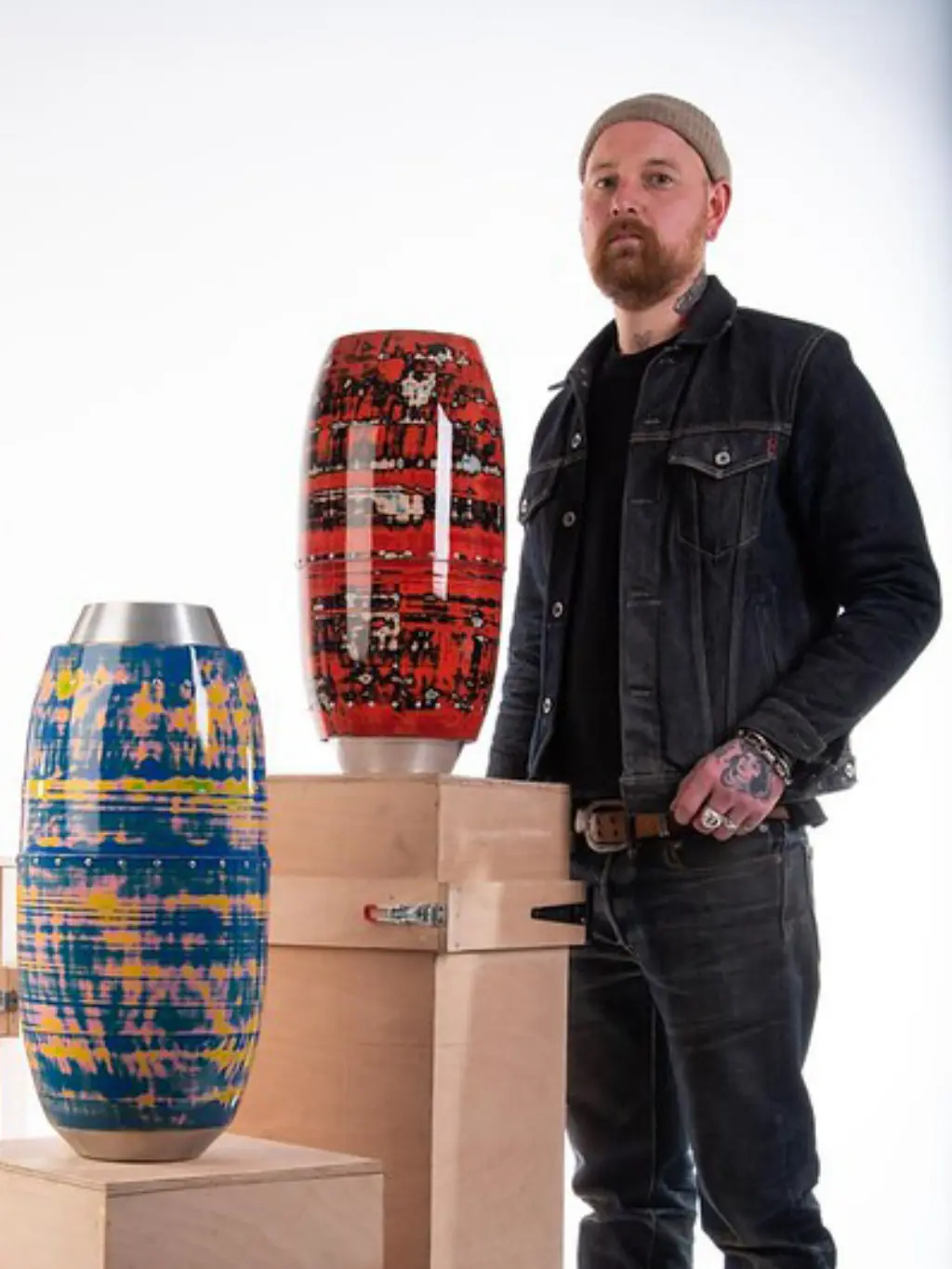
Tom Hancock
3D Material processes

- Technical Demonstrator
Jo Harvey
Ceramics Specialist

- Technical Demonstrator
Becky Roberts
Textiles & 3D processes
Course news
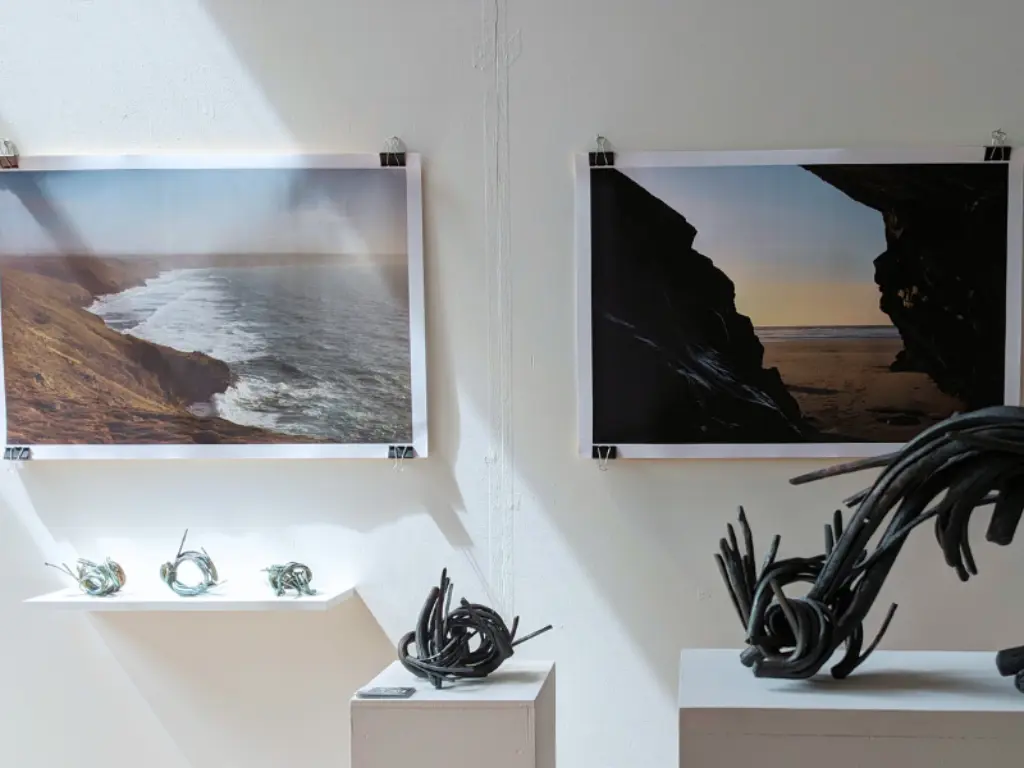
- News
- Degree Show
- Ceramics & Glass
- Craftsmanship & Fabrication
- Blacksmithing
Creative Industries Days 2026 & Artistan Founder magazine feature editorial
1 min read time

- Events
- Awards
HCA wins best stand at New Designers 2024
1 min read time

- Alumni
- News
- Craftsmanship & Fabrication
- Sustainability
- School of Materials & Design
Graduate Sophie Ferrier named as Contemporary Craft Winner at the Arts Thread Global Creative Graduate Show 2024
2 mins read time

- Events
- Degree Show
Degree show 2024 in Pictures
0 min read time

- Staff
- Awards
Delyth Done, Head of School at HCA, awarded MBE in recognition to her services to Artist Blacksmithing and Heritage Crafts
2 mins read time
Applying to HCA
- Minimum age 18.
- UCAS Points: Applicants applying for September 2025 entry and beyond, should have achieved 96 – 112 UCAS Tariff Points or more. However, whilst qualifications are important, our offers are not solely based on academic results. We may make offers based on other evidence of talent and suitability for the course – for more details about UCAS Tariffs tariff explanation and advice on the UCAS website. We expect all applicants to have examples of their current creative work available for submission on request.
- Mature students: Applications from mature students with relevant experience will also be considered.
If you are unsure or have any questions, please contact us at registry@hca.ac.uk and we can offer further advice on HCA and the UWTSD awarding body requirements.
You can apply to HCA by making us one of your options on your UCAS application. In some cases, such as with current students, student transfers and top-ups, we also accept direct applications.
We receive a high number of application all our subject areas so we recommend that you make your application as early as possible.
You can find out out everything you need about the application process using the link below. If you have any questions, just email registry@hca.ac.uk.
As soon as you apply, our Registry team will be in touch to let you know they have received your application. At this point they will also send out information on portfolios or auditions.
Portfolios and auditions are a chance for you to showcase yourself in a different way. They give us an idea of what excites you about the subject, and what you might want to explore further on the course.
We will send out guidance on how to submit your portfolio, or book and audition date, and if you have any questions you will always be able to reach out to us for assistance or clarification.
After submitting your portfolio online, your work will be reviewed by a course lead, and you will receive personal feedback alongside your offer.
Studying is an investment in yourself, and in your future. It’s important to understand the financial support that is available to you, and to be clear about any fees or funding associated with the course you want to study.
Follow the link below to visit our Fees and Funding pages. These pages are designed to help you plan for your future, so you can start your course with confidence in your financial situation.
Everyone’s personal circumstances are different. If you can’t find the information you need, our Student Finance team can offer additional advice.
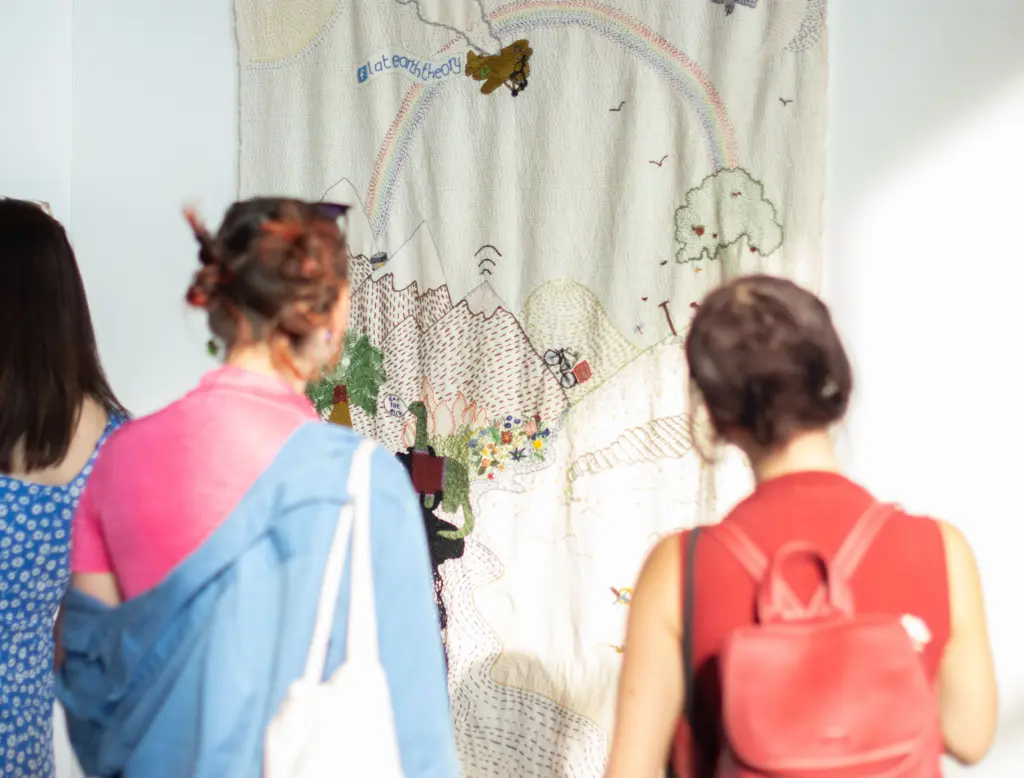
Want to see more?
Follow us on Instagram for the latest work, news and stories from our students, graduates and alumni.
Follow Us on InstagramTransferring from another degree course/HND/FdA?
Every year we welcome many students joining our courses in Year 2 or Year 3, after starting their studies elsewhere.
If you're thinking making a change, our team can talk you through the process and the entry requirements you would need to meet to study at HCA as a Top-Up student.
During term time, we can also arrange a campus tour so that you can get a feel for the course you would be joining before you start. Follow the link below to read more on the process - or start a conversation with our Registry team and talk through your individual circumstances.
More information

Accommodation
Your space to make pasta, make friends and make art in the heart of one of the UK’s happiest cities.

Book an open day
Chat to students. Tour the campus. Drop in on some free workshops. Our Open Days are a great way to get a feel for what makes HCA special.

How to apply
Everything you need to know about applying to HCA - and starting the next stage of your journey as an artist
How to apply
Everything you need to know about applying to HCA - and starting the next stage of your journey as an artist
Find out moreBook an open day
Chat to students. Tour the campus. Drop in on some free workshops. Our Open Days are a great way to get a feel for what makes HCA special.
book now