BA(Hons) Contemporary Jewellery
-
Duration
3 years / 6 years
-
Cost
£9,275 p.a. / £4,625 p.a.
-
Course code
W700
-
Institution code
H18
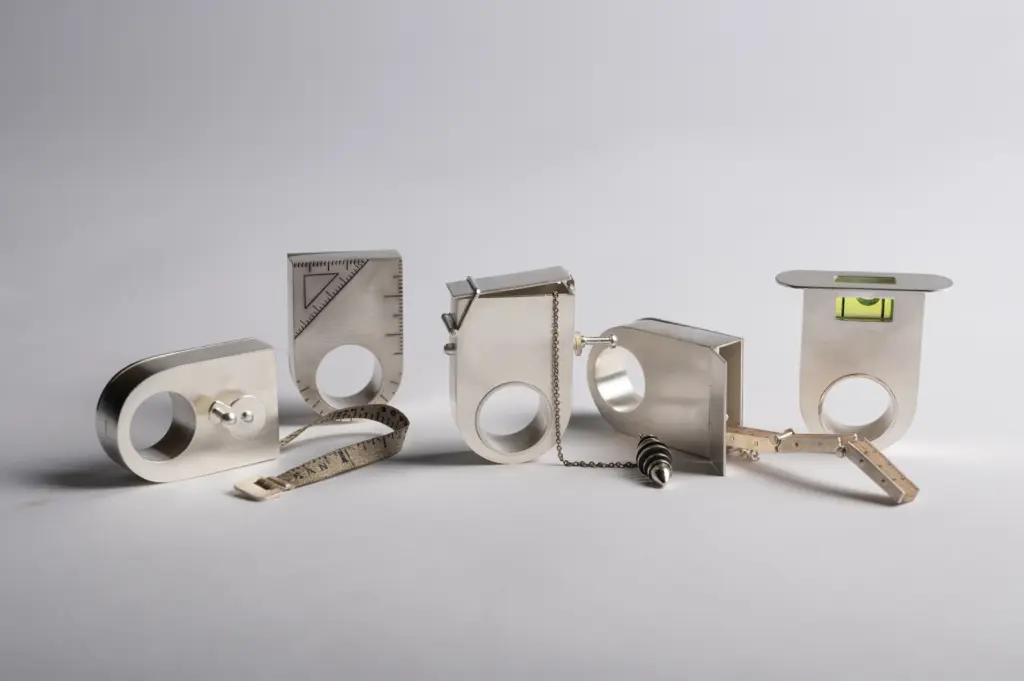
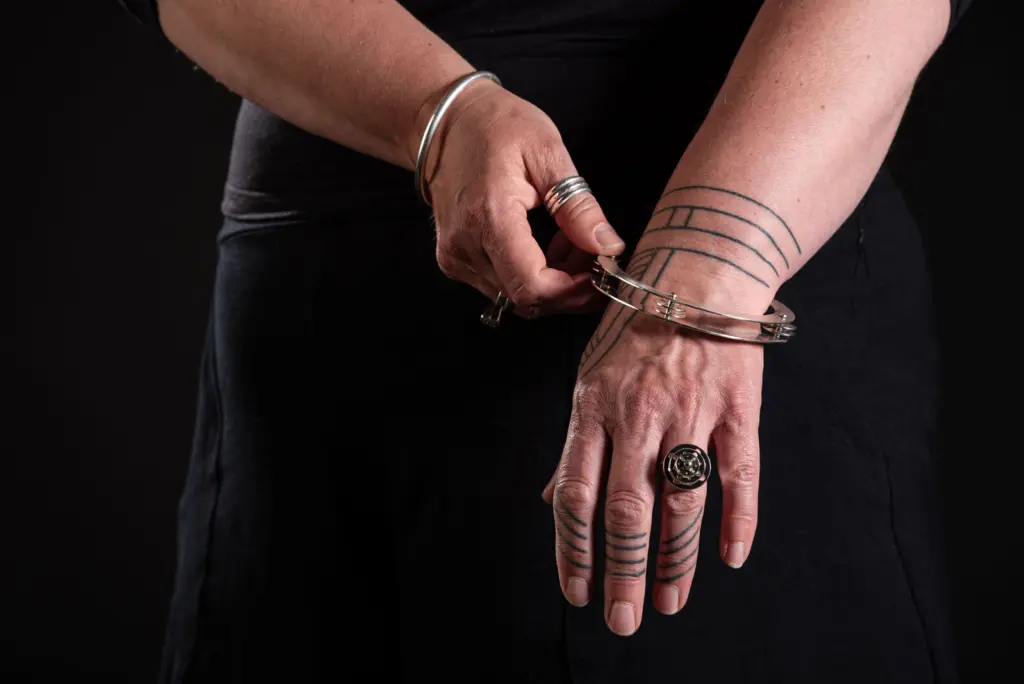
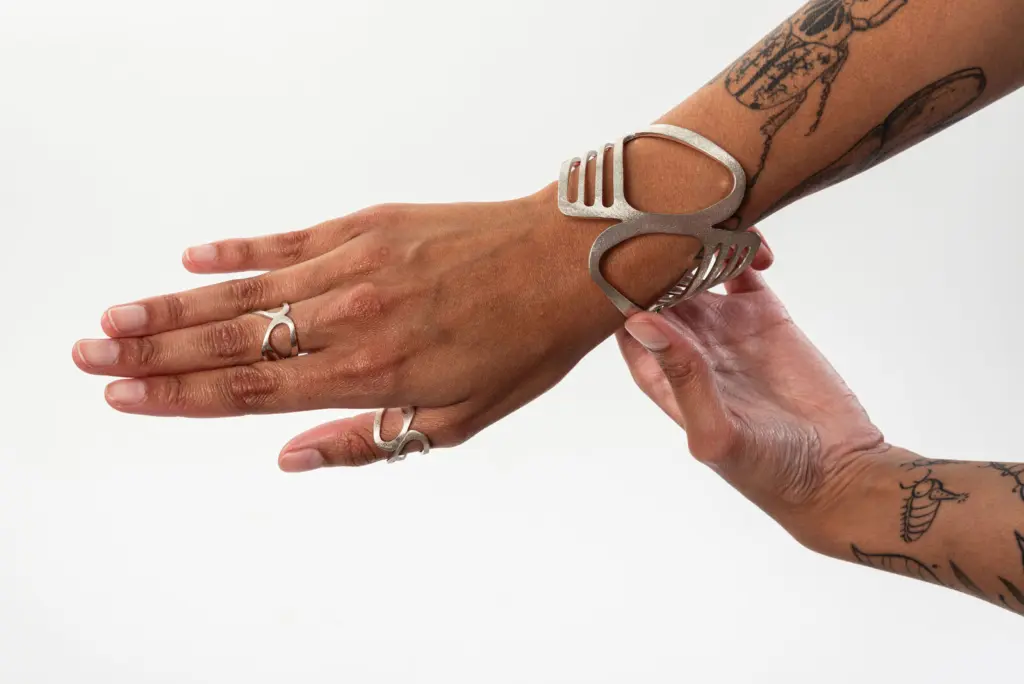
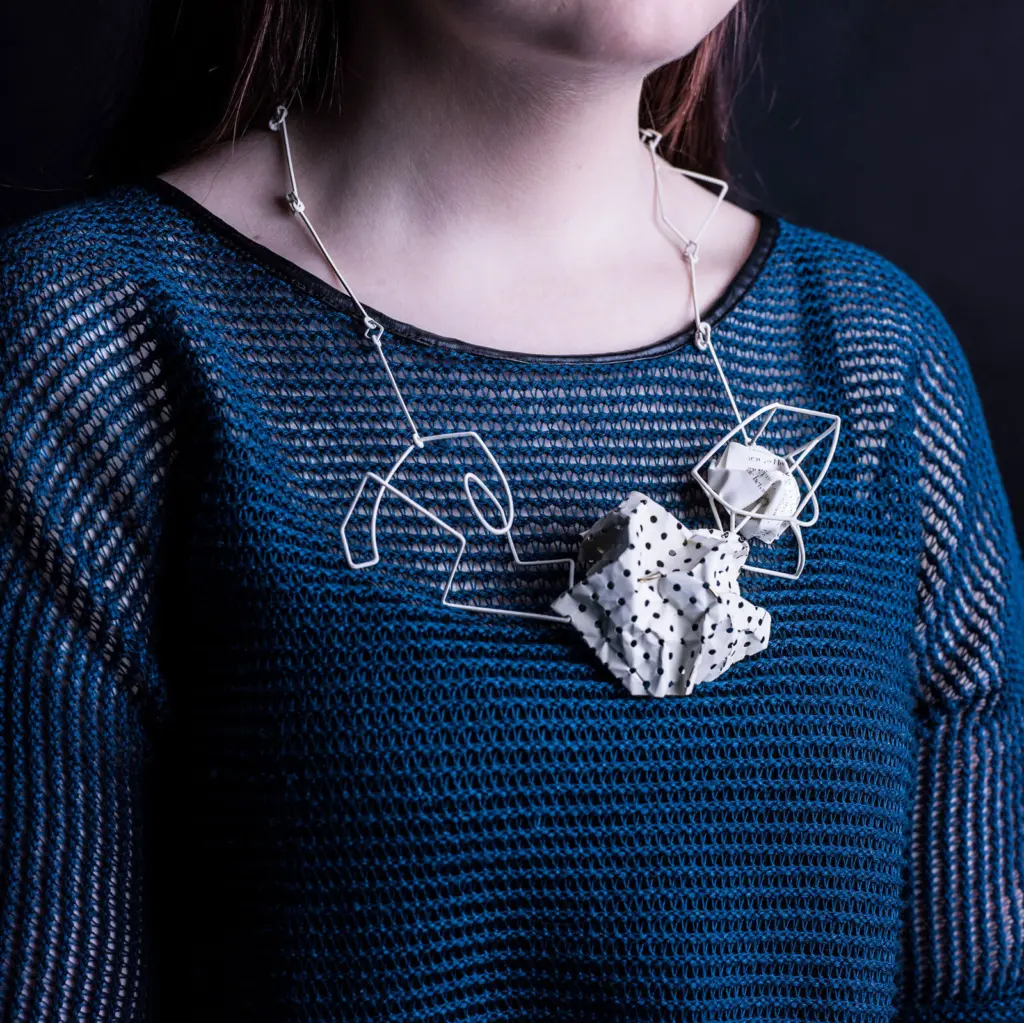
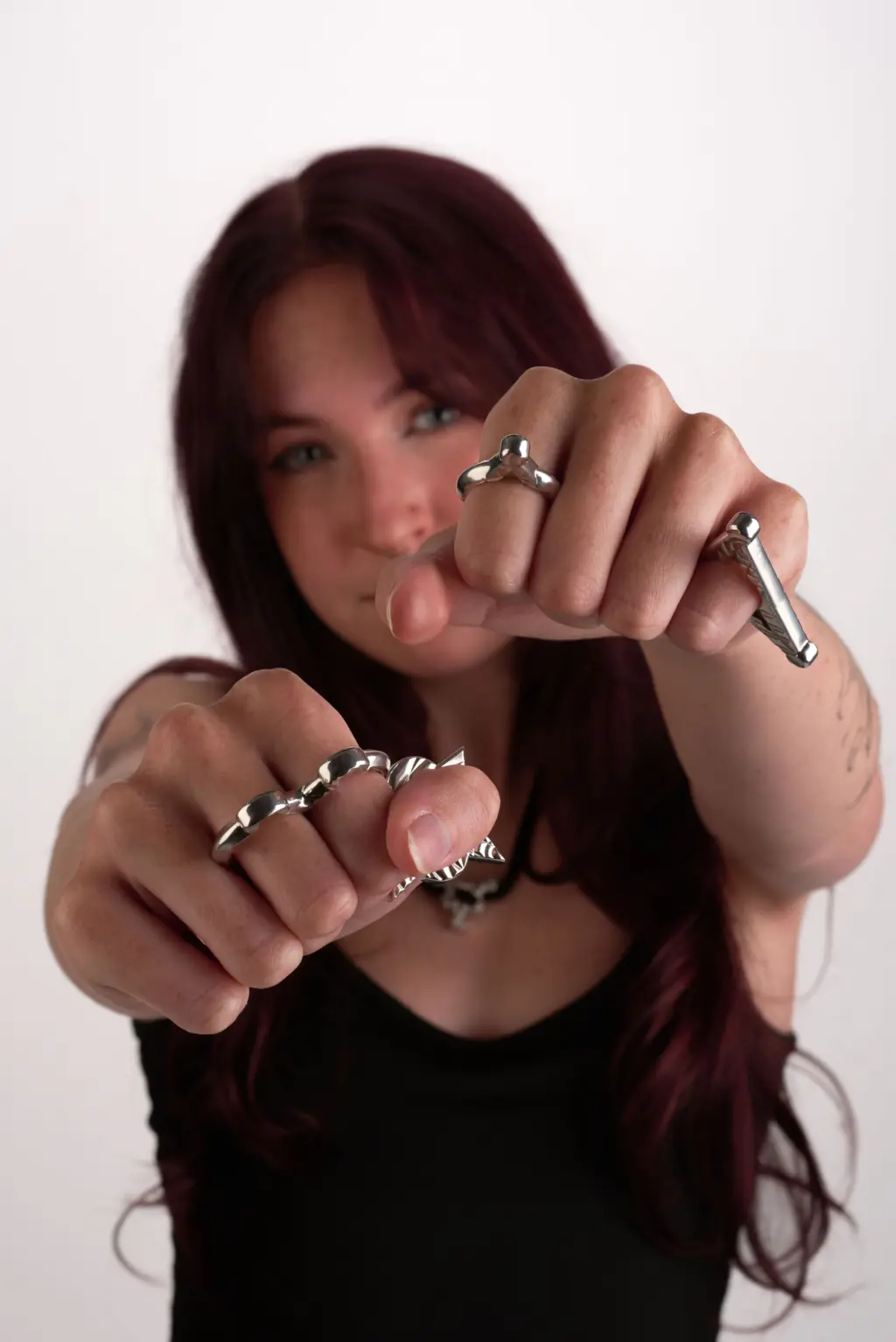
Jewellery is more than something we wear. It can carry memories, communicate identity, mark relationships, challenge conventions and become part of how we understand ourselves and others.
Overview





What our students say
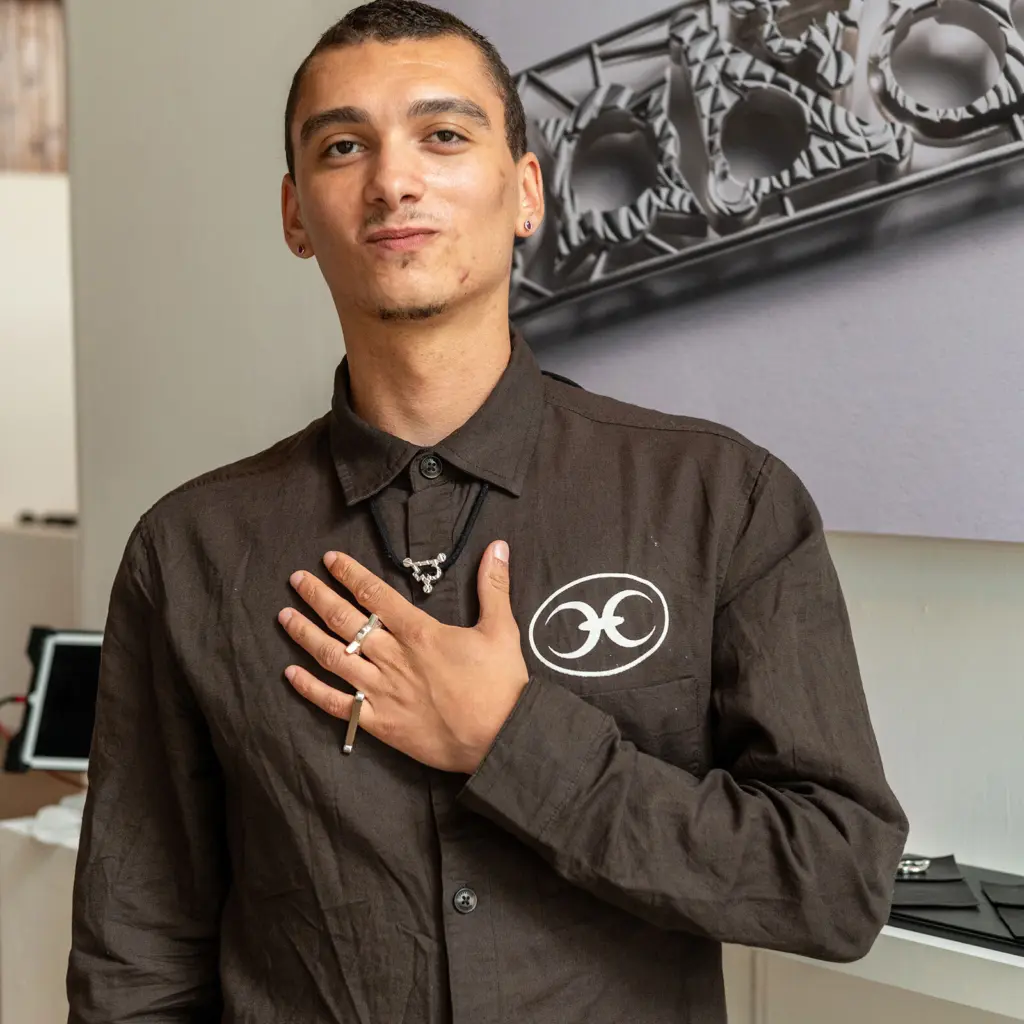
I'm super grateful for HCA in getting me to where I am. Giving me the opportunity to display my jewellery in a professional gallery setting, building confidence in displaying my work and talking in depth about the artistic context of my work. The confidence and delivery of the guest lectures had a big impact on how I wish to present myself professionally. They inspired me to talk with authority on my own practice.
Luc Fellows
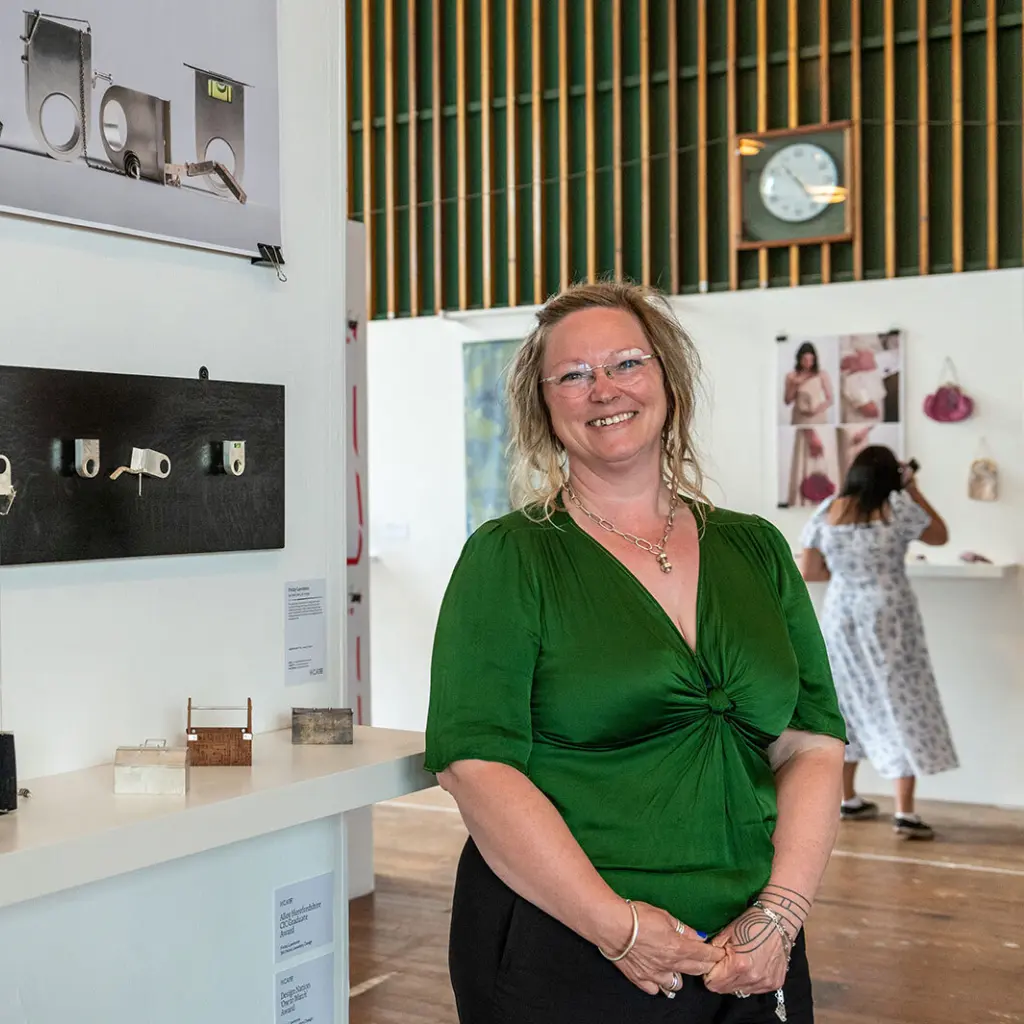
Going back into education has given me much more than I ever expected. I had a wish list of things I wanted to accomplish. I have exceeded that list by a long way, very much due to the encouragement and enthusiasm from the staff at HCA.
Friday Lawrence
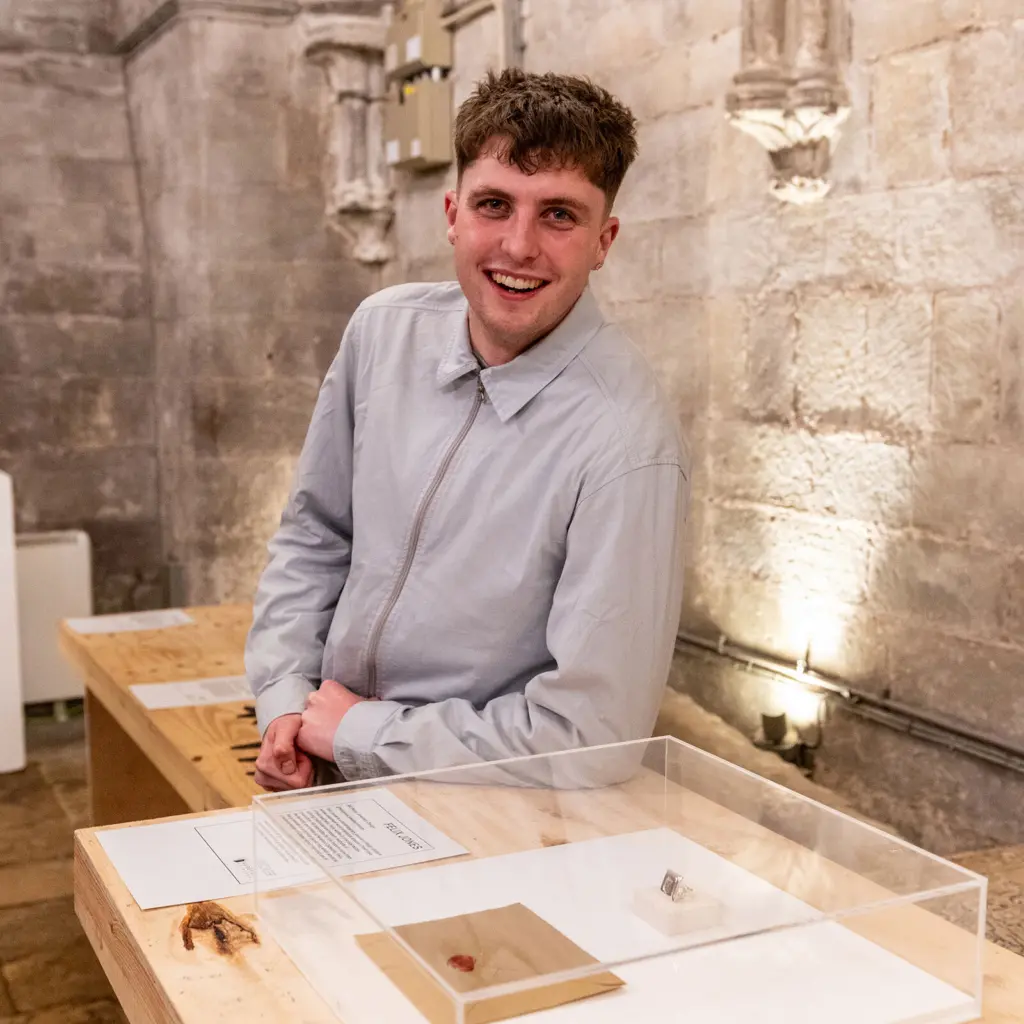
Guest lectures- it’s really helpful sitting and listening to people that are in the industry that have made a success of their practice. It’s also good getting advice and tips that I can transfer into my practice. Exhibition- It’s super sick being able to exhibit our work in a way that reflects the brand I’m creating for myself.
Felix Jones
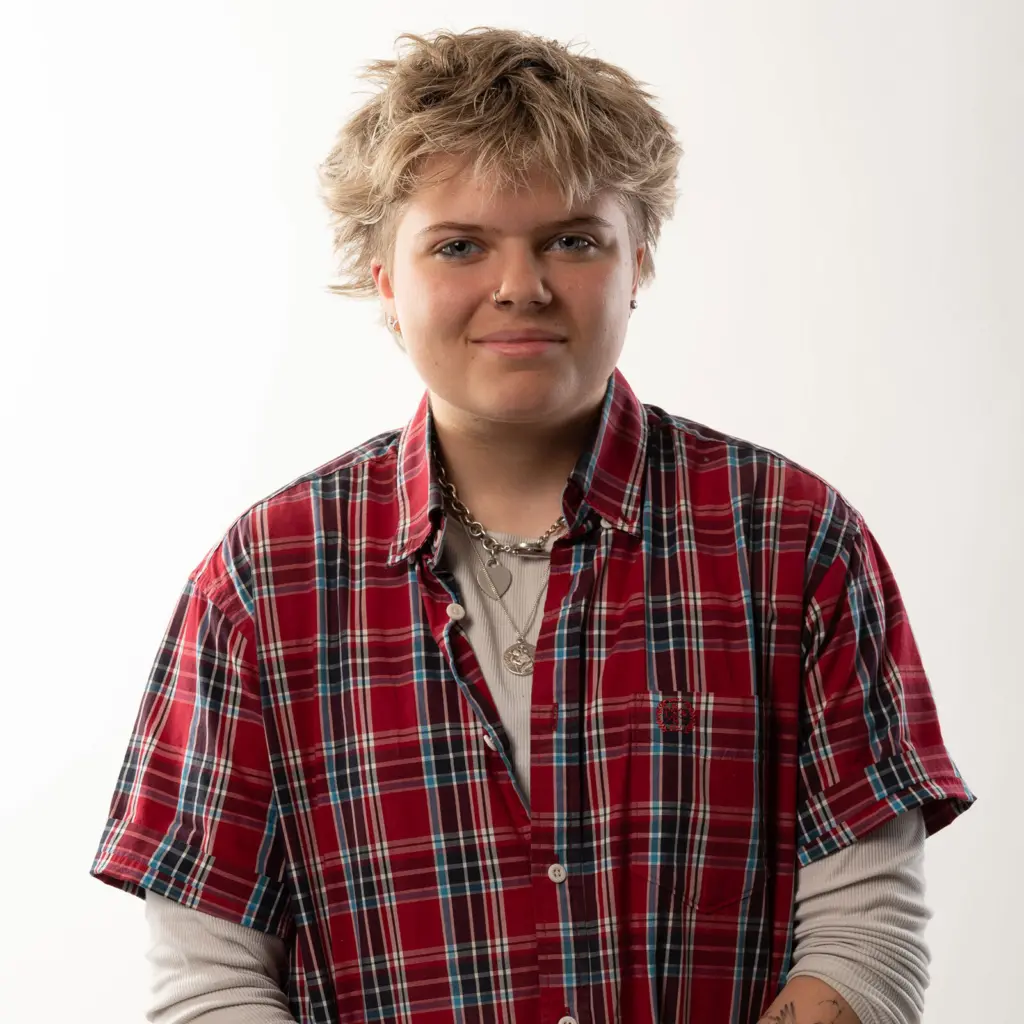
What makes this course special is how deeply the tutors care about you. They have your best interests at heart, encouraging both your creative talents and your overall personal growth. This incredible support gave me the exact confidence and skills I needed to successfully secure my first job in my chosen industry.
Hattie Hawtin
Make your mark
Develop your own practice

A community you can make your own


How you will learn
Your learning will move between studio, specialist workshop, digital spaces and the wider creative world.
Projects begin through research, drawing, writing, observation and experimentation. You will then test ideas through materials and processes, reflect on what happens and use what you discover to develop the work further.
You will learn through practical demonstrations, workshop sessions, tutorials, critiques, lectures, seminars, visiting practitioners and independent study.
Your learning journals and sketchbooks will help you make your thinking visible and understand the relationship between research, experimentation and outcome.
As you progress, projects become increasingly self-directed. You will learn to set your own questions, make informed decisions and develop a practice that is authentically your own.
You will encounter contemporary jewellers, artists, designers and creative professionals through visiting lectures, workshops, masterclasses, exhibitions and live projects.
The course has strong links with the contemporary jewellery community both locally and nationally and opportunities to exhibit and promote your work through national events, galleries, competitions and graduate showcases.
You will be encouraged to build professional relationships throughout your degree rather than waiting until graduation meaning you have exit velocity and confidence as you launch your career.
You will have your own studio workspace within an intimate and supportive community of jewellers, designers and makers.
Small-scale teaching enables you to work closely with tutors and technical demonstrators throughout your development. You will be encouraged to take creative risks, learn through experimentation and develop confidence in your own decisions.
We recognise that students arrive with different experiences and strengths. Whether you are already an experienced maker or are discovering jewellery for the first time, you will be supported to develop both your technical abilities and your individual creative practice.
Workshops & Resources

Individual studio space
You will have your own individual workspace, which supports both your professional growth and a sense of community. This setup encourages conversation and collaboration, enriching your overall learning experience throughout the course.
Book an Open Day
Small Metals
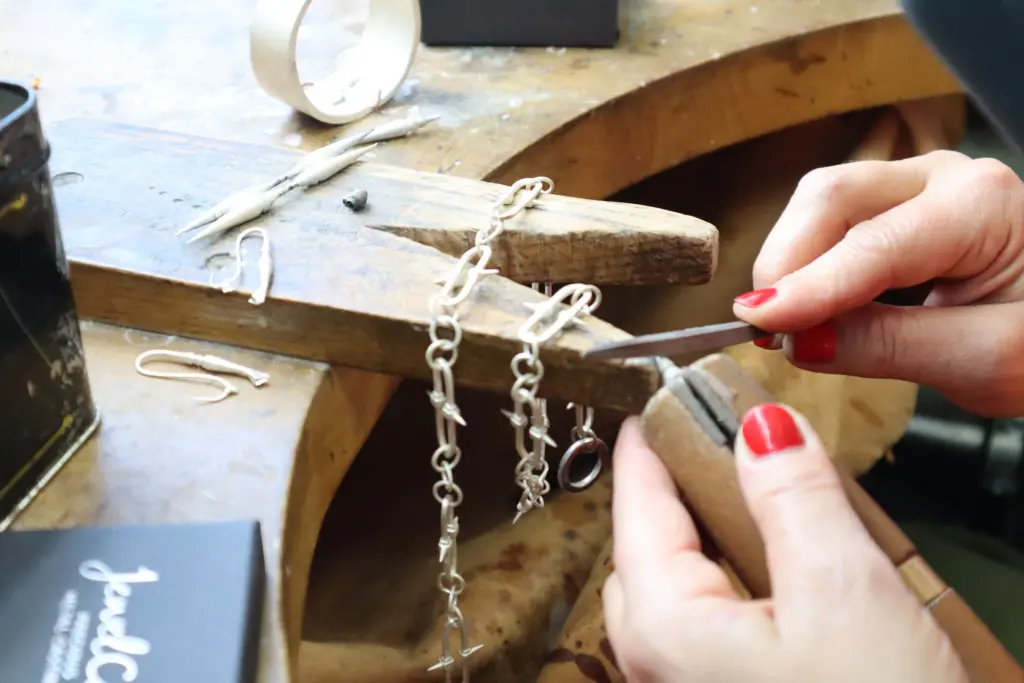
The Small Metals workshop has fully equipped communal and individual workspaces to practice your bench skills. The workshop is equipped for a variety of specialist processes and has two larger silversmithing hearths. The walls are adorned with process samples for inspiration, and the space is overseen by highly skilled Technical Demonstrators.
Book an Open Day
Small Metals alternative materials
Whilst a comprehensive foundation in traditional bench skills is embedded, we also encourage the exploration of alternative materials. The small metals workshop can be used alongside 3D to combine materials, create alternative settings or to utilise alternative materials for maquettes within your jewellery and silversmithing practice.
Book an Open Day
Enamelling
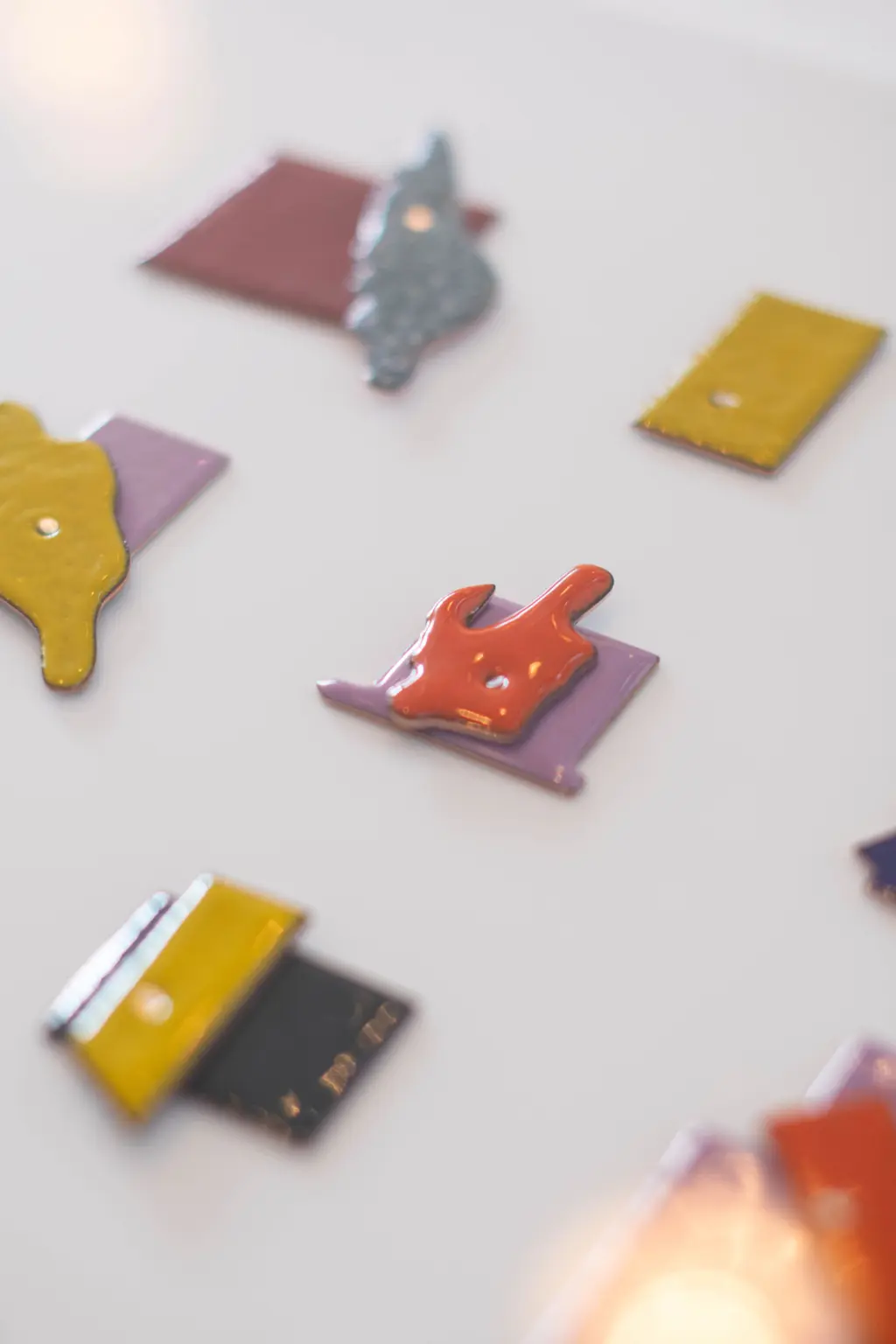
Experiment with the striking art of torch and kiln fired enamel within the Small Metals Workshop. Enamel is a fine glass powder which turns into a glazed surface on copper or precious metals when fired. This specialist process is an exciting tool for adding colour to your designs.
Book an Open Day
PUK Welder/Micro-Torch
Finishing your jewellery to the highest of standards is imperative to be able to have work that can sit in a contemporary context. To do this we have specialist equipment to navigate the fiddliest of jobs- From closing jump rings to welding near pearls and from fusing to granulation.
Book an Open Day
Etching
Enhance the surface of your base and precious metal through the specialist technique of acid etching. Through the use of resists, some metal is eaten away by the acid to create a three-dimensional relief. This metal can then be cut, formed, soldered and even re-etched for additional texture.
Book an Open Day
Queens 3D Workshop
In the Queens workshop, you can explore and experiment with various materials and processes in a well-equipped space. The facilities include small metals, wood, cold casting, 3D printing, and MDF/Plywood laser cutting, as well as welders and jewellers' benches. Techniques you can learn include woodturning, steam bending, resin and Jesmonite casting, various welding processes, 3D printing, vinyl, and veneering. Skilled Technical Demonstrators support your learning, ensuring a comprehensive experience.
Book an Open Day
Zones in the Queens 3D workshop
The Queens workshop is divided into four zones: Metals (jewellery, silversmithing, machining, welding, fabrication), Woodwork (steam bending, lamination, woodturning), Cold Casting (silicone mold making, jesmonite, resin), and Digital Fabrication (scanning, laser cutting, 3D printing).
Book an Open Day
Lathe
Turn specific metal components and accurately reproduce parts in base and precious metals using our dedicated metal lathe. The lathe is useful for batch production and can also be a way of creating bespoke fittings and findings to bring an engineer-level tolerance to your jewellery and silversmithing practice.
Book an Open Day
Digital Skills Centre
Opened in 2024 our Digital Skills Centre is an alternative space to the Graphic and Media Design Studios to craft your designs. Kitted out with new Macs and PCs, the area is staffed by Digital Demonstrators who also run weekly intro and How To classes on design software.
Book an Open Day
Textiles
Our textiles workshops provide an open and accessible space to explore print, dye, weave, knit, and mixed media surface design techniques. Focusing on sustainability and innovation, you’ll combine methods from across various disciplines, pushing your creative boundaries throughout your degree. The technical support, along with academic and industry guidance, encourages you to develop an original, innovative design practice.
Book an Open Day
Ceramics & Glass
The Ceramics and Glass workshop offers an opportunity to explore the tactile nature of clay and the artistry of glass cutting, fusing and slumping. You can develop skills in slab building, slip casting, and throwing, either for conceptual art or commercial projects. Technical demonstrators are available to guide you through all processes.
Book an Open Day
Library
A dedicated art and design library carefully curated by knowledgeable librarians who will support you to access the materials in the collection. Includes books and magazines from a comprehensive selection of creative disciplines, critical & cultural theory and specialist journals. Plus, study spaces and IT provision. A college hub and key workshop area.
Book an Open Day
Photography
Our photography studios and darkroom facilities offer extensive opportunities to gain hands-on experience with both digital and traditional techniques. You will acquire invaluable skills ensuring you take superb photos of your creative process and final outcomes. Work alongside professional photographers and technical specialists to get outstanding images of your work.
Book an Open Day
Plaster & slip casting space
The plaster and slip casting space facilitates the creation of plaster forms, mould making, and slip casting using earthenware and porcelain for small-scale batch production. Technical demonstrators are available to guide you through each process, ensuring you develop the necessary skills to achieve successful ceramic projects with precision and creativity.
Book an Open DayCritical thinking

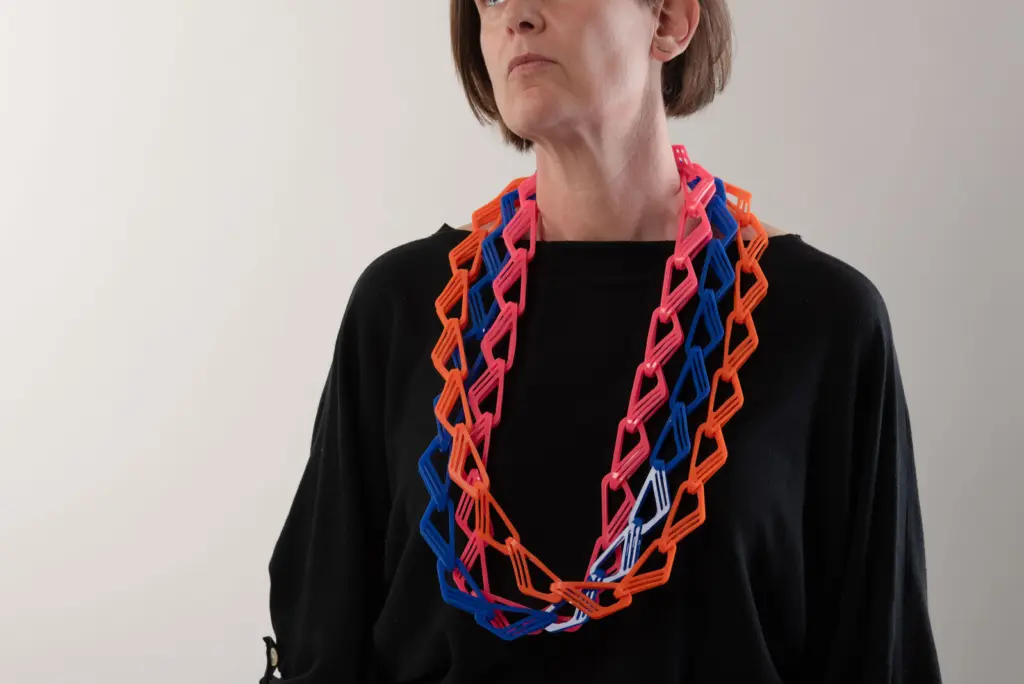
Victoria Hopkins / Why is Repetition so Captivating and Beautiful? An exploration of Gestalt Theory and Repetition in Jewellery
Why do repeated forms feel so captivating and beautiful? This video explores the relationship between Gestalt Theory and repetition in contemporary jewellery, examining how simple elements combine to create complex, meaningful wholes. Through the work of Jacqueline Ryan and Giovanni Corvaja, the discussion investigates the Gestalt principles of figure/ground, continuance, similarity, proximity, and closure, revealing how repeated forms create harmony, order, and visual pleasure. Drawing on the philosophy of Gilles Deleuze, the video argues that repetition is not mere copying but a creative act that generates difference, novelty, and beauty. Ultimately, it asks why the human mind finds such comfort, fascination, and delight in patterns and repetition.
Read more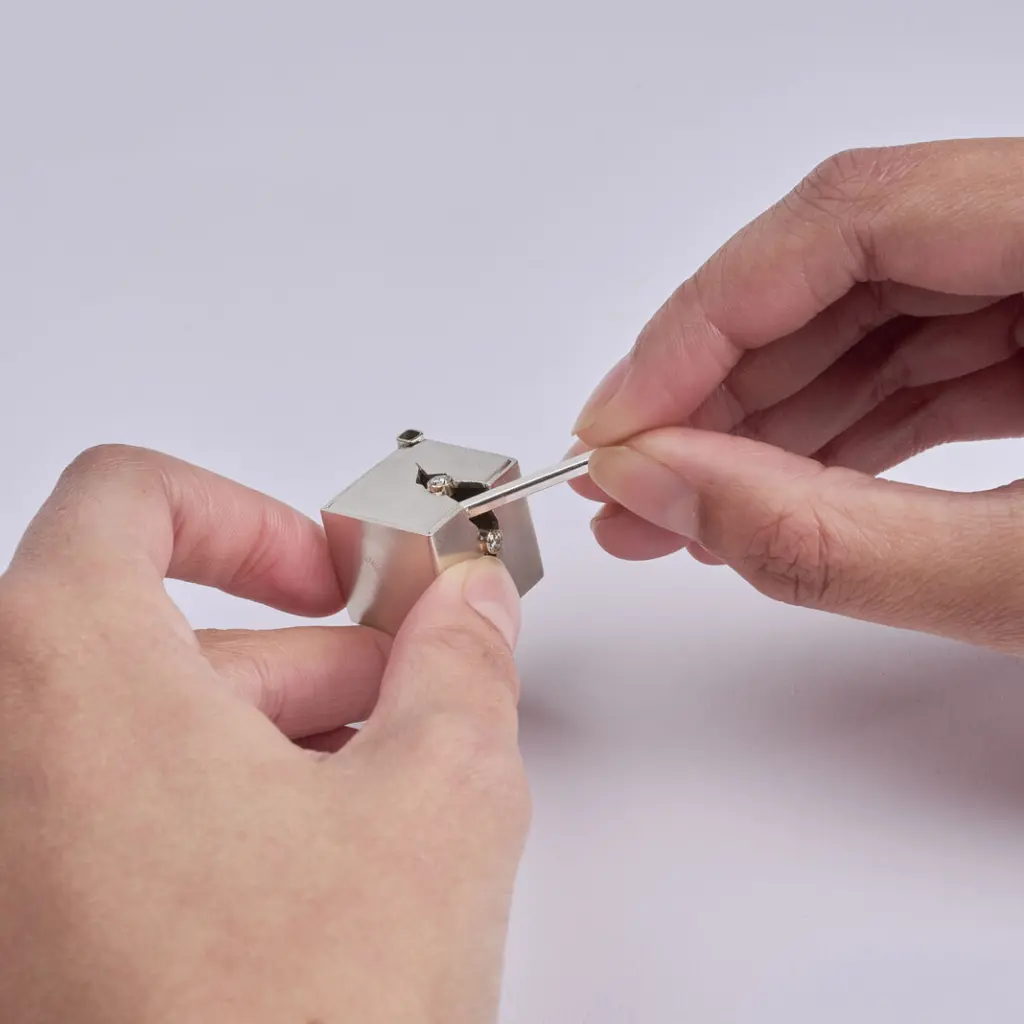
Jade Kondal / How does the psychological attachment to objects influence an individual’s experience of strength and fragility in the context of grief?
How do the objects we keep help us navigate grief? This video explores the psychological attachment to objects and how they influence experiences of strength and fragility after loss. Drawing on theories of grief, attachment, memory, and material culture, it examines how everyday items such as jewellery, clocks, watches, photographs, and textiles become powerful links to loved ones who have passed away. Through personal case studies and contemporary jewellery practice, the discussion reveals how objects can provide comfort, resilience, identity, and a continued sense of connection. Ultimately, it argues that meaningful objects can play a vital role in healing and living with loss.
Read more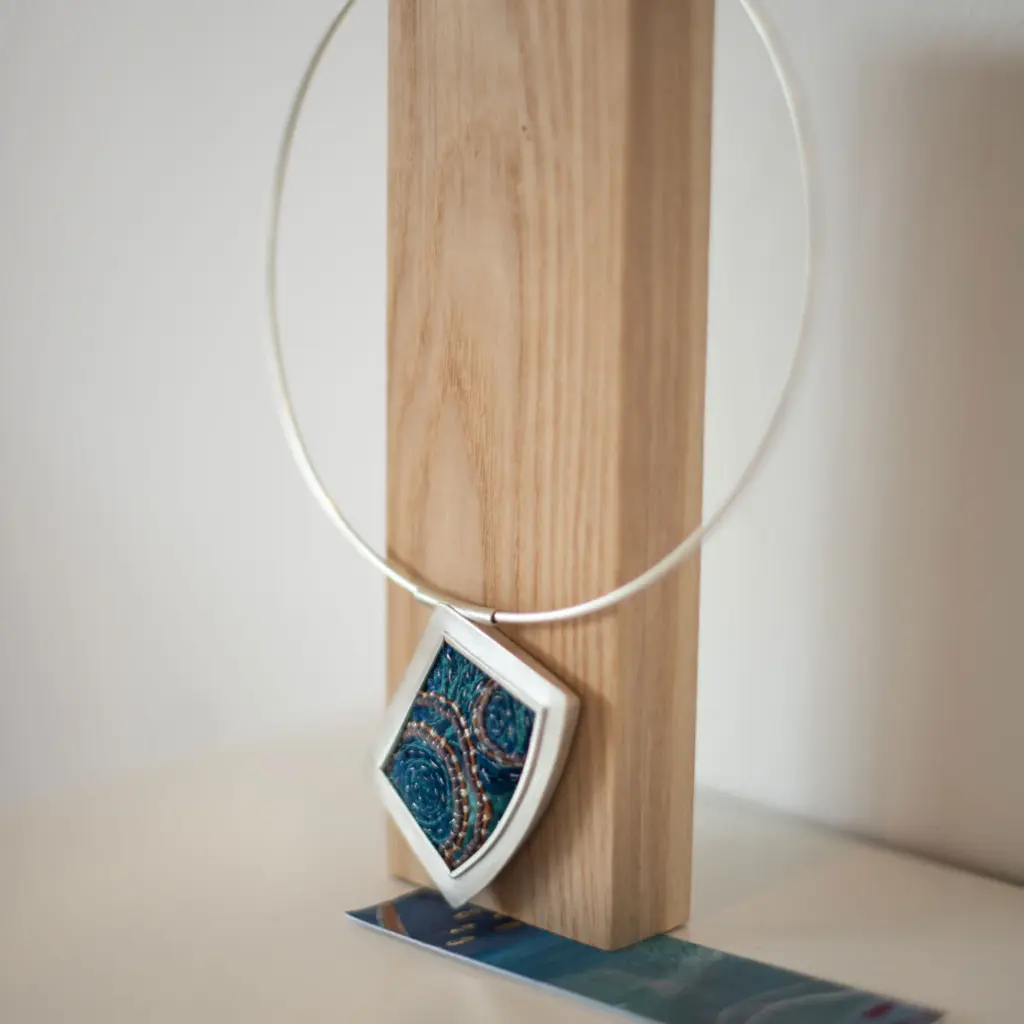
Evelyn Mae Watson / Mediation through Objects: How does the practice of Narrative Art Jewellery inspire connection whilst reflecting our human tendency to make sense and meaning of the world through objects?
How do objects help us make sense of the world? This video explores how Narrative Art Jewellery uses found objects, precious and non-precious materials, and personal symbolism to tell stories, preserve memories, and create human connection. Drawing on theories of material culture, attachment, and meaning-making, it examines our deep relationship with objects, from historical Cabinets of Curiosities and devotional artefacts to contemporary jewellery practices. Featuring the work of Lieta Marziali, Kim Nogueira, and Leah Hardy, the discussion reveals how objects can act as mediators between memory, identity, spirituality, and experience. Ultimately, it argues that jewellery can be a powerful tool for storytelling, reflection, and connection.
Read more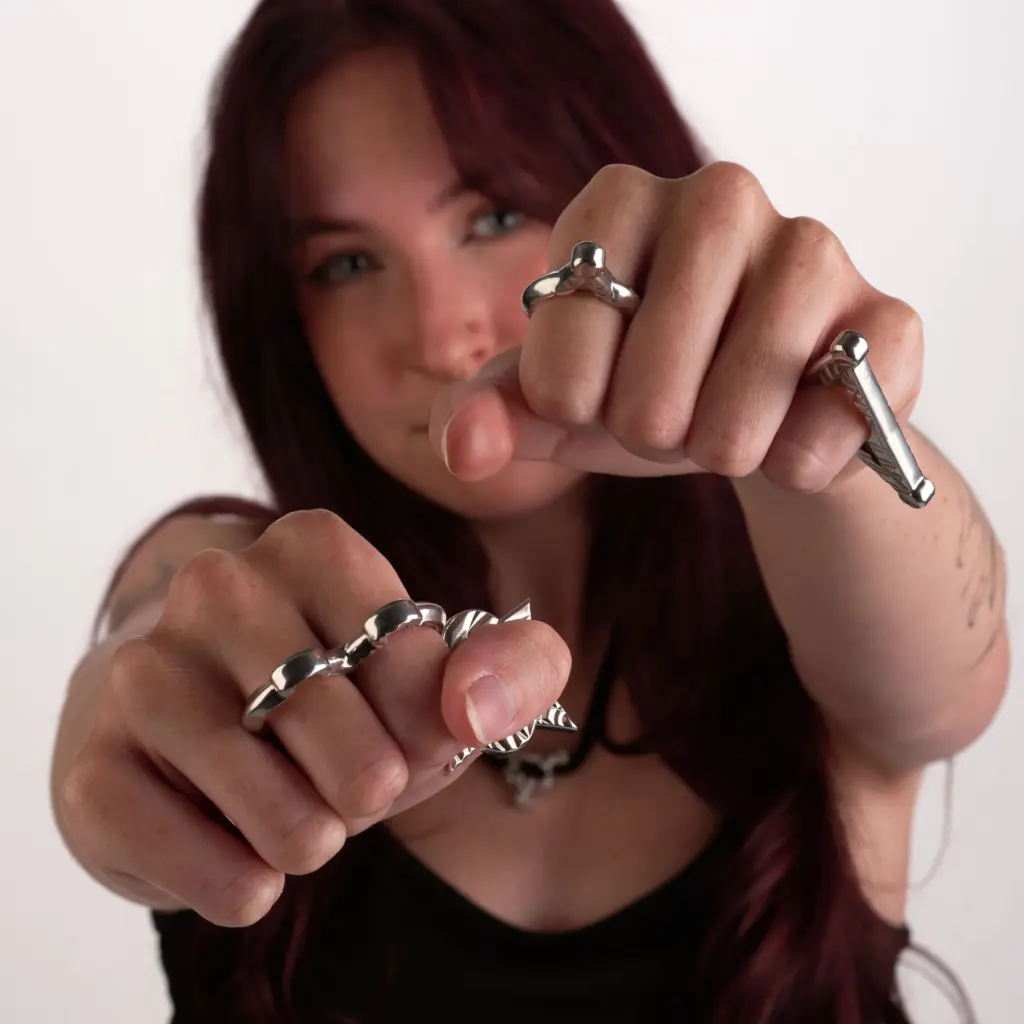
Luc Fellows / Put your money where your mouth is!
How can jewellery become a catalyst for social change? This video explores how semiotics, representation, and symbolism can be used in jewellery to communicate political ideas and challenge dominant narratives. Drawing on the theories of Stuart Hall and Roland Barthes, it examines themes of Pan-Africanism, Afrofuturism, identity, and cultural reclamation through the work of artists including Deana Lawson, Hank Willis Thomas, and Thomas J Price. The discussion investigates how signs and symbols shape perception, create meaning, and inspire dialogue. Ultimately, it argues that jewellery can move beyond adornment to become a powerful tool for storytelling, education, and social growth.
Read moreWhat you'll learn
Explore
Your first year establishes the foundations of contemporary jewellery practice.
You will develop core jewellery and metalworking skills while exploring drawing, design development, research and experimentation.
You will be introduced to a range of materials and processes and encouraged to test different approaches to making.
Projects will help you understand how your ideas develop through practical experimentation and begin to identify the themes, materials and processes that interest you.
You will use sketchbooks and learning journals to document your development and establish reflective approaches to practice.
Develop your practice
In Year Two, you will deepen your technical knowledge and begin to establish a stronger individual design language.
You will undertake more focused projects, developing particular materials, processes or ideas while continuing to experiment and challenge your assumptions about jewellery.
Live briefs, external opportunities, competitions and exhibitions will give you experience of professional contexts.
You will also begin to build a stronger portfolio and professional identity, developing an understanding of where your practice might take you.
Define your voice
Your final year gives you the freedom to develop an ambitious and self-directed body of contemporary jewellery work.
You will establish your own questions, research and creative direction, selecting the materials and processes that best communicate your ideas.
Through sustained making, experimentation and critical reflection, you will refine your practice and develop work to a professional standard.
You will build your professional portfolio, develop your digital presence and prepare for your next steps beyond HCA.
Your final work will be presented publicly as part of the degree show, providing an opportunity to connect with audiences, galleries, industry professionals and potential clients.
Your future
Stats and figures
Recent professional insight
Our Talking Practice lectures connect students with leading artists and designers worldwide, offering insight into creative life in practice. Through in-person and online talks, students explore how makers develop ideas, work with materials, solve challenges and build sustainable professional paths. Students have recently heard from:
- Sheng Zhang
- Elizabeth Terzza
- Emily Kidson
- Lucie Gledhill
- Angela Cork
- Juliette Bigley
- Caitlin Murphy
Our students and grads exhibit at:
- Yorkshire Sculpture Park
- New Designers, London
- Craft Festival – Cheltenham & Bovey Tracy
- Cornwall Contemporary
- Made By Hand
- Dazzle Contemporary Jewellery Exhibitions
- Cambridge Contemporary Crafts
- Diana Porter Contemporary Jewellery
- Kath Libbert Jewellery Gallery
- MOSTYN
92.2
In the 2025/2026 NSS Survey HCA students rated the teaching on their course at 92.2%.
94.2% of students felt free to express their ideas, opinions and beliefs.
This is significantly higher than the sector average and something we aim to continuously improve on.
CREATIVE FUTURES IN CONVERSATION
Creative Industries Days brought together two days of creative conversations, professional insight and opportunity, giving graduating students a fabulous chance to share their practice with creative industry leaders just before their Degree Show. At this pivotal moment, students presented their final projects, spoke confidently about their ideas, processes and ambitions, and received valuable encouragement, connection and real-world perspective from professionals working across the creative industries.
- Industry professionals who supported Creative Industries Days 2026
- Emma Daker – Craftspace
- Victoria Hopkins and Sophie Cunliffe – Alloy Herefordshire CIC
- Col Hamilton – CUP Ceramics
- Richard Foot – Design Nation
- Ingrid Bain – The Courtyard
- Jon and Gemma Johnson – Mountain Perspective
- Kathryn Willis and Ann Jones – Guild of Enamellers
- Lyndsay James – Artisan Founder
- Liz Valenti – Gloucestershire Guild of Craftsmen
- Clare Macfarlane – Bevere Gallery
- Sophie Lindsay – Llantarnam Grange
- Claire Kingston – National Trust
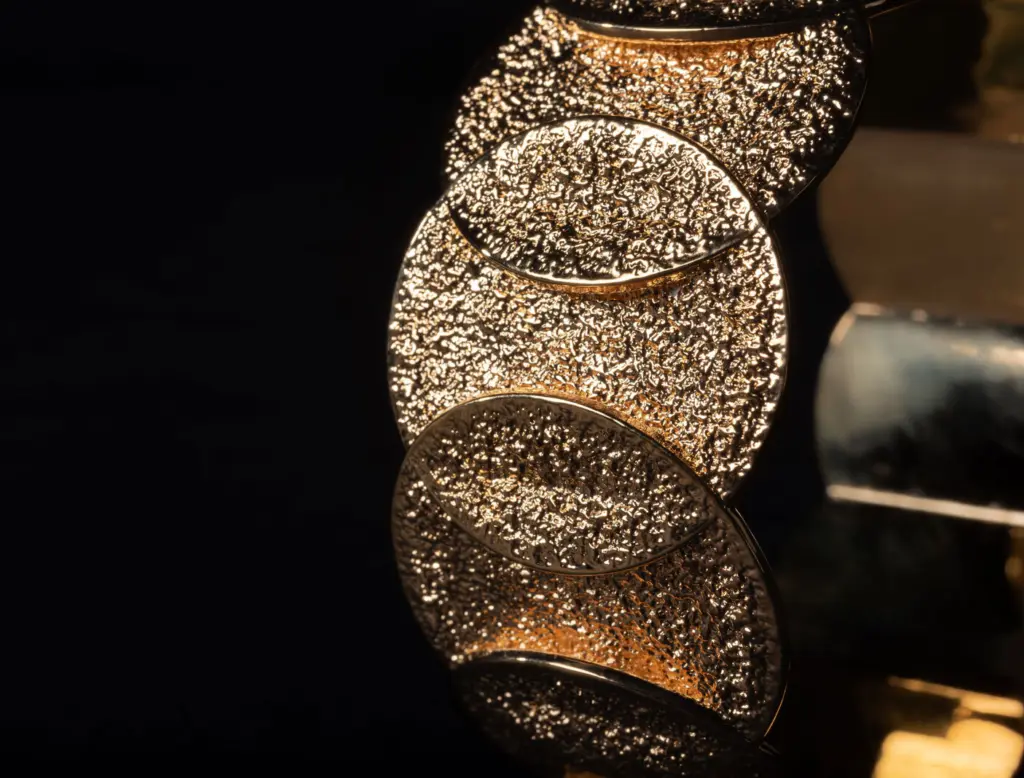
Want to see more? Follow us on Instagram for the latest work, news and stories from our students, graduates and alumni.
Follow Us on InstagramMeet the team

- School of Materials and Design
Ella Sibley-Sparling
Course Leader - BA (Hons) Contemporary Design Crafts & Jewellery Design

- School of Materials and Design
Nicola Lillie
Lecturer - School of Materials & Design

- School of Materials and Design
Richard Makin
Digital Design Lead

- School of Materials and Design
Del Done MBE,CWCB
Head of the School of Materials and Design and Course Leader for BA(Hons) Artist Blacksmithing, MA Forged Metal Arts, and MA Contemporary Crafts

- Technical Demonstrator
Ian Berrill
Technical Demonstrator - 3D

- Technical Demonstrator
Lily Sutton
Technical Demonstrator - 3D

- Technical Demonstrator
Bronwen Tyler -Jones
Workshop Manager

- Technical Demonstrator
Jess Bulger
Print making

- Technical Demonstrator
Bryony Burn
Ceramics Specialist
- Technical Demonstrator
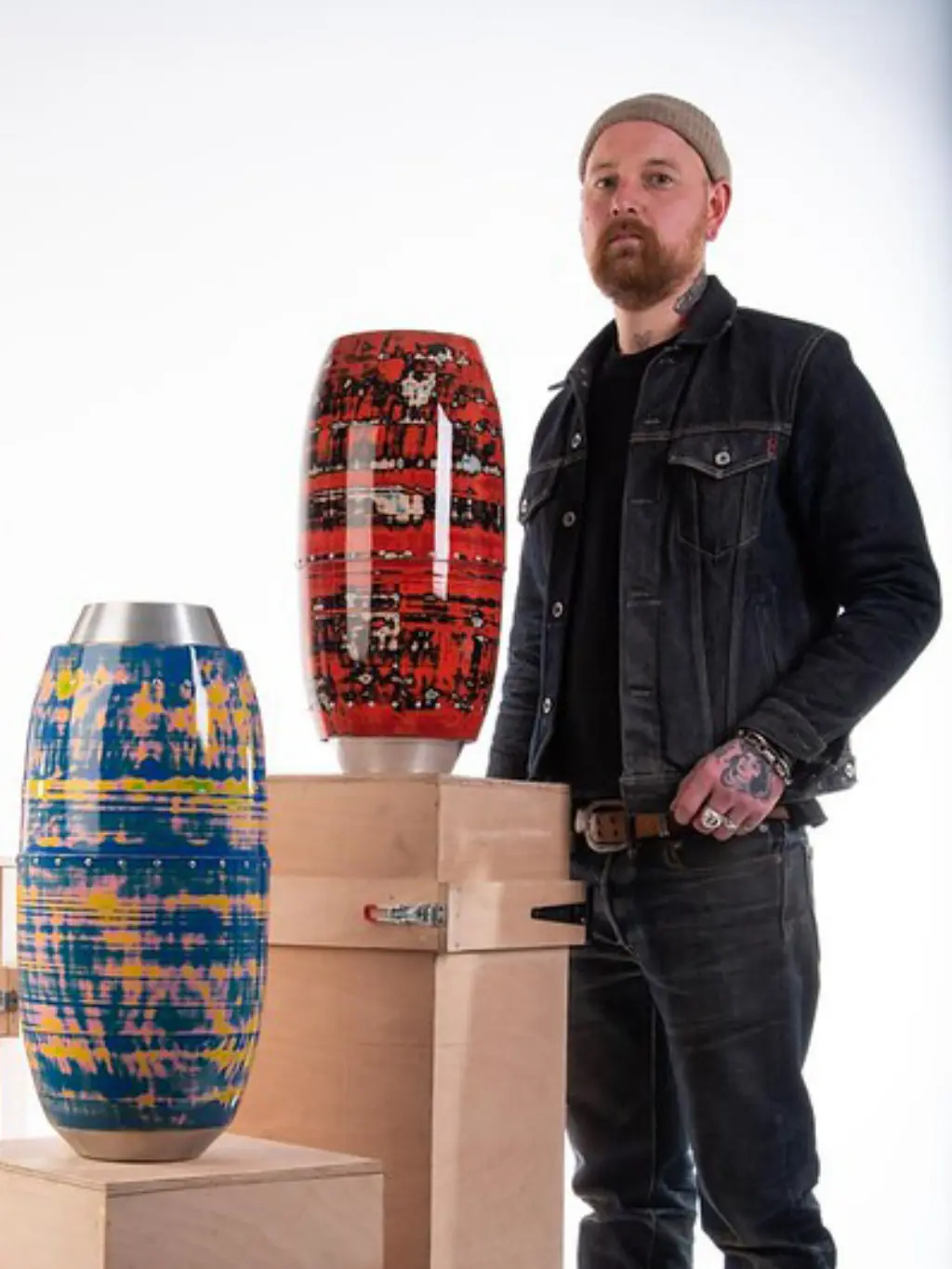
Tom Hancock
3D Material processes

- Technical Demonstrator
Jo Harvey
Ceramics Specialist

- Technical Demonstrator
Becky Roberts
Textiles & 3D processes
News
- News
HCA jewellery student wins major national award at New Designers
3 mins read time
- News
- Degree Show
- Ceramics & Glass
- Craftsmanship & Fabrication
- Blacksmithing
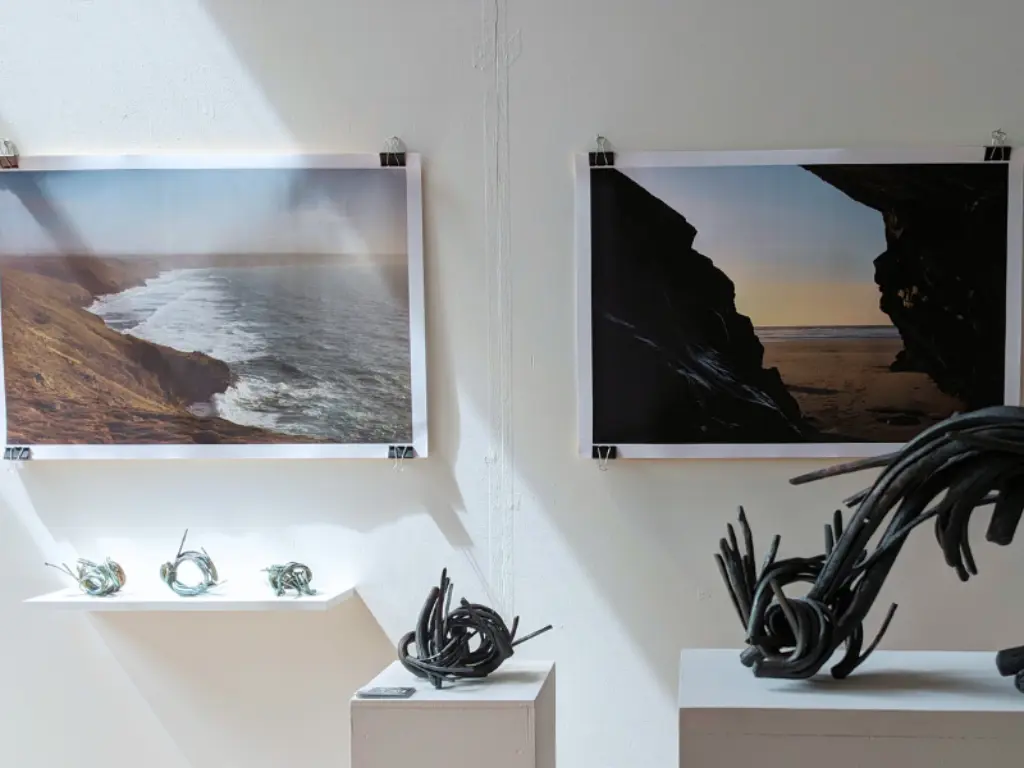
Creative Industries Days 2026 & Artistan Founder magazine feature editorial
1 min read time

Will Barrett selected for Bright New Gems 2024
1 min read time

- Events
- Awards
HCA wins best stand at New Designers 2024
1 min read time

- Alumni
- News
- Craftsmanship & Fabrication
- Sustainability
- School of Materials & Design
Graduate Sophie Ferrier named as Contemporary Craft Winner at the Arts Thread Global Creative Graduate Show 2024
2 mins read time

- Events
- Degree Show
Degree show 2024 in Pictures
0 min read time
Applying to HCA
- Minimum age 18.
- UCAS Points: Applicants applying for September 2025 entry and beyond, should have achieved 96 – 112 UCAS Tariff Points or more. However, whilst qualifications are important, our offers are not solely based on academic results. We may make offers based on other evidence of talent and suitability for the course – for more details about UCAS Tariffs tariff explanation and advice on the UCAS website. We expect all applicants to have examples of their current creative work available for submission on request.
- Mature students: Applications from mature students with relevant experience will also be considered.
If you are unsure or have any questions, please contact us at registry@hca.ac.uk and we can offer further advice on HCA and the UWTSD awarding body requirements.
You can apply to HCA by making us one of your options on your UCAS application. In some cases, such as with current students, student transfers and top-ups, we also accept direct applications.
We receive a high number of application all our subject areas so we recommend that you make your application as early as possible.
You can find out out everything you need about the application process using the link below. If you have any questions, just email registry@hca.ac.uk.
As soon as you apply, our Registry team will be in touch to let you know they have received your application. At this point they will also send out information on portfolios or auditions.
Portfolios and auditions are a chance for you to showcase yourself in a different way. They give us an idea of what excites you about the subject, and what you might want to explore further on the course.
We will send out guidance on how to submit your portfolio, or book and audition date, and if you have any questions you will always be able to reach out to us for assistance or clarification.
After submitting your portfolio online, your work will be reviewed by a course lead, and you will receive personal feedback alongside your offer.
Studying is an investment in yourself, and in your future. It’s important to understand the financial support that is available to you, and to be clear about any fees or funding associated with the course you want to study.
Follow the link below to visit our Fees and Funding pages. These pages are designed to help you plan for your future, so you can start your course with confidence in your financial situation.
Everyone’s personal circumstances are different. If you can’t find the information you need, our Student Finance team can offer additional advice.
More information

Accommodation
Your space to make pasta, make friends and make art in the heart of one of the UK’s happiest cities.

Book an open day
Chat to students. Tour the campus. Drop in on some free workshops. Our Open Days are a great way to get a feel for what makes HCA special.

How to apply
Everything you need to know about applying to HCA - and starting the next stage of your journey as an artist
Your degree
All undergraduate degrees at HCA are validated by University of Wales Trinity St David.
You can view a detailed breakdown of the course content in the Key Information Document.
This can be downloaded below.
Transferring from another degree course/HND/FdA?
Every year we welcome many students joining our courses in Year 2 or Year 3, after starting their studies elsewhere.
If you're thinking making a change, our team can talk you through the process and the entry requirements you would need to meet to study at HCA as a Top-Up student.
During term time, we can also arrange a campus tour so that you can get a feel for the course you would be joining before you start. Follow the link below to read more on the process - or start a conversation with our Registry team and talk through your individual circumstances.
How to apply
Everything you need to know about applying to HCA - and starting the next stage of your journey as an artist
Apply nowBook an open day
Chat to students. Tour the campus. Drop in on some free workshops. Our Open Days are a great way to get a feel for what makes HCA special.
Book an open day